
Negotiations between the U.S. and Iran consistently fail due to deep-seated historical mistrust and conflicting demands.
Diplomatic talks between the United States and Iran frequently collapse. Only one recent agreement in Islamabad briefly succeeded before failing. Experts suggest a deep-seated psychological syndrome prevents real progress. Both nations carry historical trauma that blocks effective communication.
Washington struggles with an embassy siege complex. This began when Iranian students held Americans hostage in 1979. Consequently, U.S. leaders now demand that Iran acts first. They require verification before offering any rewards.
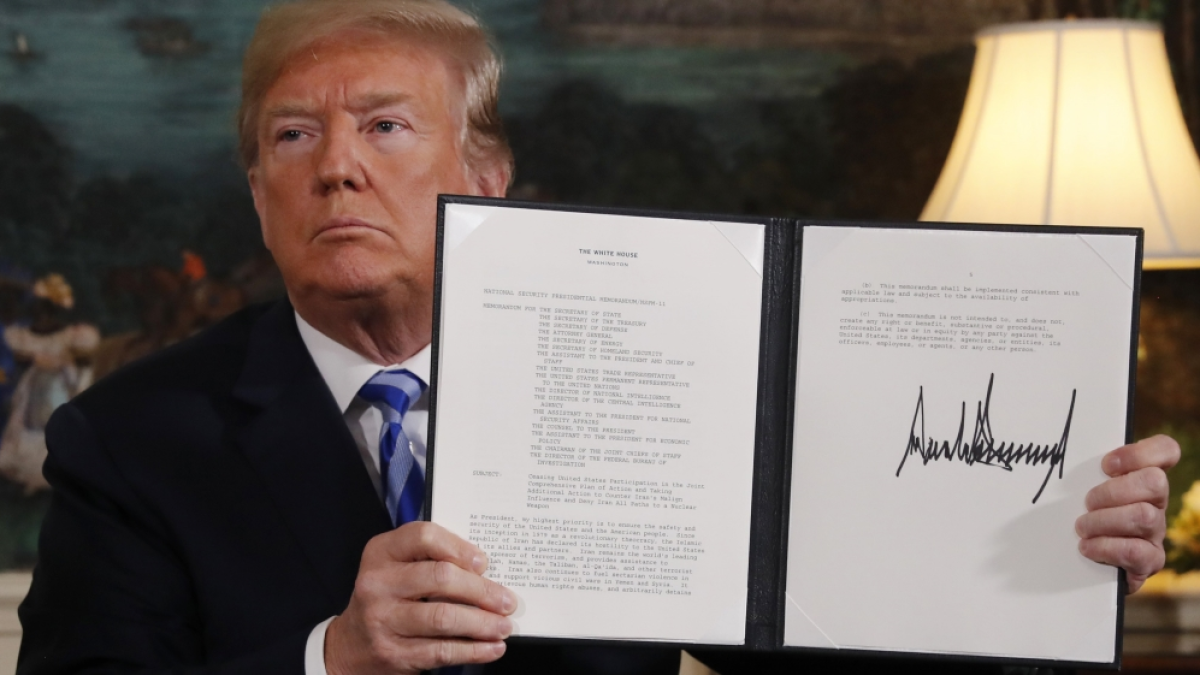
Meanwhile, Tehran suffers from its own historical complex. Iranians remember the 1953 coup supported by Western intelligence. They also view the 2018 U.S. withdrawal from the nuclear deal as a betrayal. As a result, Iran refuses to make concessions without binding guarantees.
The 2018 nuclear deal exit changed everything for Iran. The U.S. raised its demands regarding regional behavior and nuclear activities. This made Tehran believe that American signatures hold no value. They suspect that diplomacy often masks future military action.
Also, the ongoing war has worsened these tensions. Washington insists on freezing enrichment before lifting sanctions. Tehran demands the end of naval blockades before opening the Strait of Hormuz. Neither side trusts the other enough to move first.
Next, the Islamabad memorandum attempted to address these specific fears. It offered security for both Washington and Tehran. It included UN support and monitored implementation steps. Unfortunately, the agreement failed because broader regional hostilities continued.
After that, the focus shifted entirely to the order of steps. Both nations now argue over which side must act first. The core issues have narrowed over the last eight years. Yet, the deep lack of trust remains a permanent barrier.
Finally, simple negotiation plans will likely continue to fail. Breaking this deadlock requires a neutral third party. This mediator must guarantee actions for both sides simultaneously. Without such help, the diplomatic stalemate will persist.