

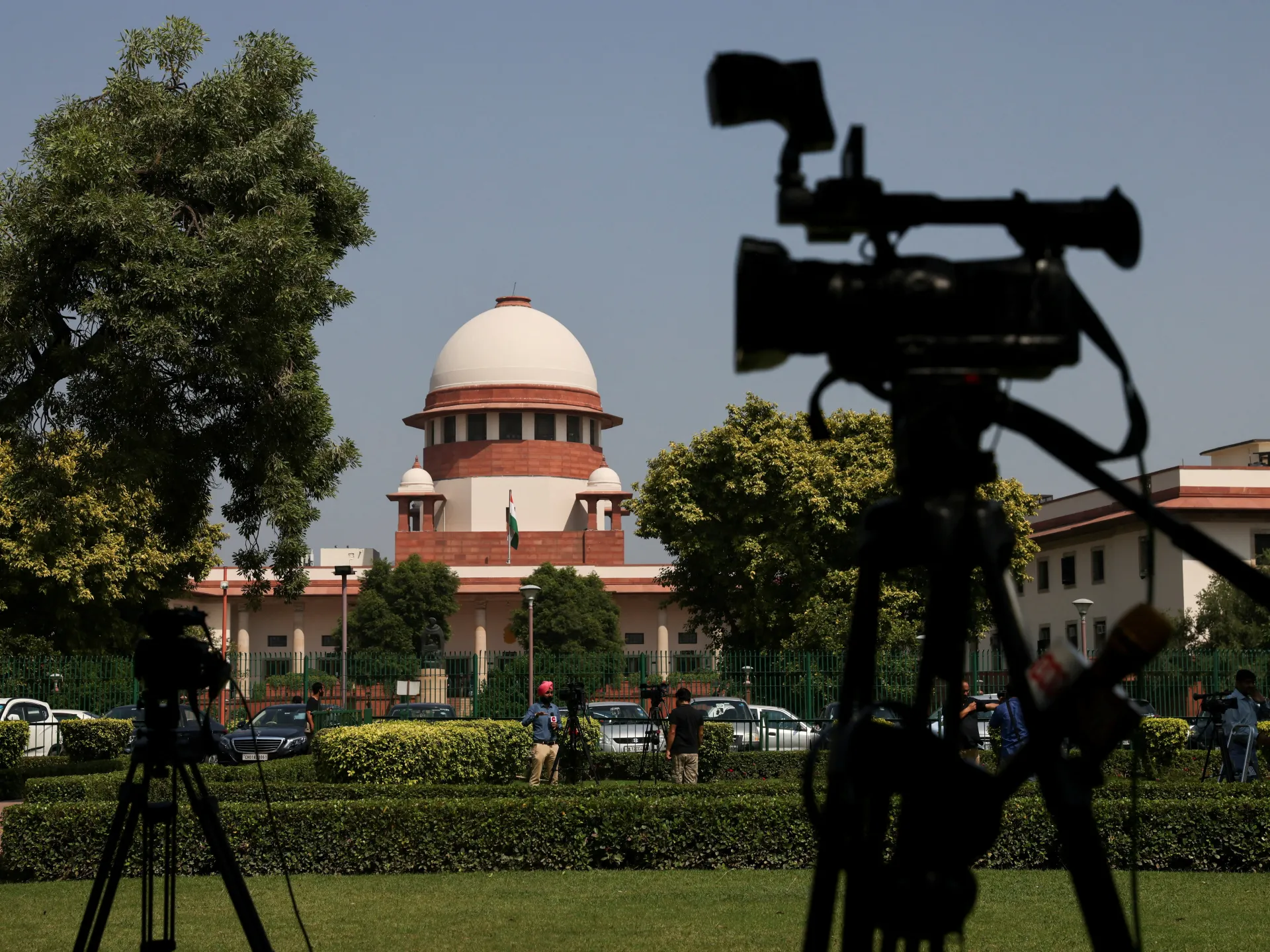
Indian media groups are fighting a new privacy law in the Supreme Court. They claim the rules threaten investigative reporting and source protection.
Major media organizations in India are taking a stand against a new privacy law. They filed a formal challenge with the Supreme Court this week.
The law requires reporters to get consent from every person they cover. Journalists say this rule acts like a form of pre-censorship.
Also, media leaders warn that this policy could force many newsrooms to close. They believe it makes daily reporting nearly impossible to perform.
A group of 21 publishers joined the legal challenge on Tuesday. This group includes companies owned by powerful billionaires Mukesh Ambani and Gautam Adani.
Next, the petitioners argued that the law hurts investigative journalism. They claim the rules stop reporters from exposing important facts about public figures.
Furthermore, the publishers expressed deep concern about the protection of their sources. They fear the government will use the law to identify secret whistleblowers.
As a result, the media groups asked the court to block the new regulations. They say the law tramples on the fundamental rights of the press.
Meanwhile, the Indian government maintains that the law protects individual privacy. Officials argue that personal data needs stronger legal safeguards today.
However, the news industry insists that these specific requirements go too far. They believe the government must reconsider the impact on free speech.
Finally, the Supreme Court must now decide if the law remains in place. Journalists across the country wait for the final ruling on this matter.