
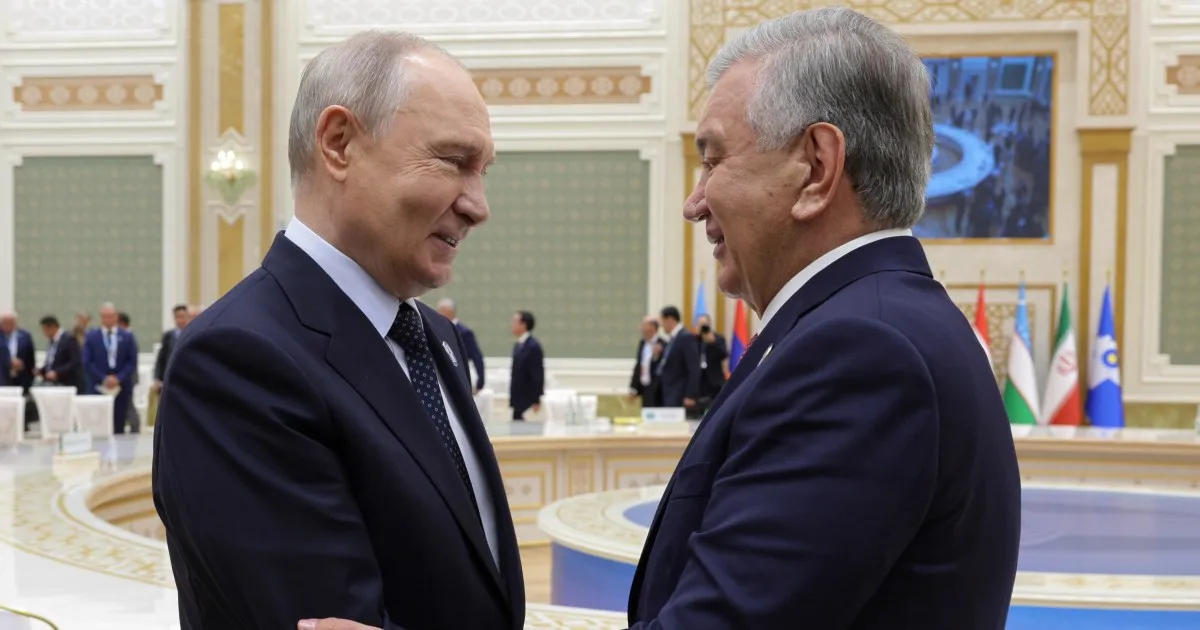
Secretary of State Marco Rubio visits Uzbekistan for a summit. The US is moving toward a transactional relationship with Central Asian nations.
Secretary of State Marco Rubio arrives in Samarkand this Saturday. He will meet with regional leaders for the C5+1 summit. This meeting signals a major shift in United States foreign policy. Washington now favors a purely transactional approach in Central Asia.
Also, the US has dropped its focus on democracy and human rights. In the past, American diplomats lectured regional leaders on reform. They demanded changes in exchange for economic help. Many leaders then turned toward Russia or China instead.
Next, experts note that the geopolitical climate has changed significantly. The Kremlin still holds influence through media and economic pressure. However, Russia now faces criticism for its own aggressive rhetoric. Moscow has even threatened military actions against some Central Asian nations.
Meanwhile, the Trump administration pursues a strictly business-focused strategy. Officials no longer criticize local crackdowns on journalists or political opponents. President Trump recently met with the daughter of the Uzbek president. This reflects a new willingness to ignore internal political issues.
After that, analysts suggest the US has clear strategic goals. Washington wants a stronger military presence near Russia and China. Officials also seek access to critical rare-earth minerals. These materials are essential for modern technology and manufacturing.
Still, some human rights advocates express deep concern. They worry about the lack of focus on authoritarian trends. They say the US should not ignore the jailing of independent voices. Critics believe this approach undermines long-term regional stability.
Finally, experts recognize that Rubio understands these challenges well. He knows the region better than other top administration officials. Yet, the current agenda remains focused on security and trade. Observers wait to see if the US will restore its emphasis on human rights later.