
October 2026 brings significant changes in climate data, aviation safety research, and political leadership across the globe.
Why this matters
Global events in October 2026 show our changing world. From melting Arctic ice to political shifts in Canada, these stories define our era. They impact our climate, our safety, and our future political borders.
Meanwhile, remembrance of past tragedies helps communities heal. These varied events remind us how interconnected our planet is today. We must track these changes to understand the modern global landscape.
Scientific and Environmental Updates
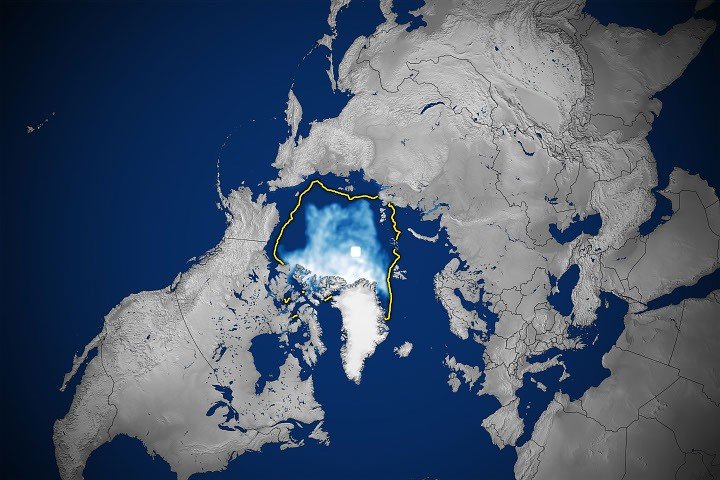
Arctic sea ice hit its annual minimum on September 12, 2026. NASA and the National Snow and Ice Data Center tracked this event. The ice covered 4.6 million square kilometers, or 1.78 million square miles.
This result ties for the 10th-lowest minimum in satellite history. Recent data shows the trend of ice loss remains a major concern. The Arctic ice that remains is now much thinner and younger.
Also, NASA continues its work on aviation safety in Cleveland. Researchers study how supercooled large droplets affect aircraft surfaces. These rare, large water drops can freeze rapidly on planes.
After that, engineers test new equipment to understand this weather hazard. They use the Icing Research Tunnel to create experimental clouds. Their work helps the aviation industry design safer, more resilient aircraft.
Political and Community Developments
In Canada, the political landscape shifted this month. The Parti Québécois won the Quebec election on October 5, 2026. This victory marks a significant change for the region.
Meanwhile, residents of Kibbutz Nir Oz marked a painful anniversary. They remembered the October 7 attacks from three years ago. The community still feels the deep loss of neighbors and family.
Also, survivors shared stories of that dark day in 2023. They want to return to their home to honor those they lost. Red and black stickers still mark doors to honor victims.
How we got here
- 1978: Scientists began using satellites to observe Arctic sea ice patterns.
- 2007-2026: The past 20 summers saw the lowest ice levels in recorded history.
- October 7, 2023: Hamas-led attacks devastated the community of Kibbutz Nir Oz in Israel.
- June 2026: NASA engineers conducted particle size tests in the Icing Research Tunnel.
- October 5, 2026: The Parti Québécois secured an election victory in Quebec, Canada.
- September 12, 2026: Arctic sea ice reached its annual minimum extent for the year.
What happens next
Scientists will continue to monitor Arctic ice levels through the winter months. They expect the ice to reach its maximum extent by March 2027. Future observations will clarify if the downward trend continues.
Also, aviation researchers will refine their safety tools based on recent tunnel tests. This data will likely influence future aircraft design and flight safety standards. Industry leaders will review these findings to improve protection systems.
Finally, the political situation in Canada will likely evolve as the new government takes office. Communities impacted by past violence will keep seeking peace and remembrance. Global observers will watch these developments closely as the year concludes.