

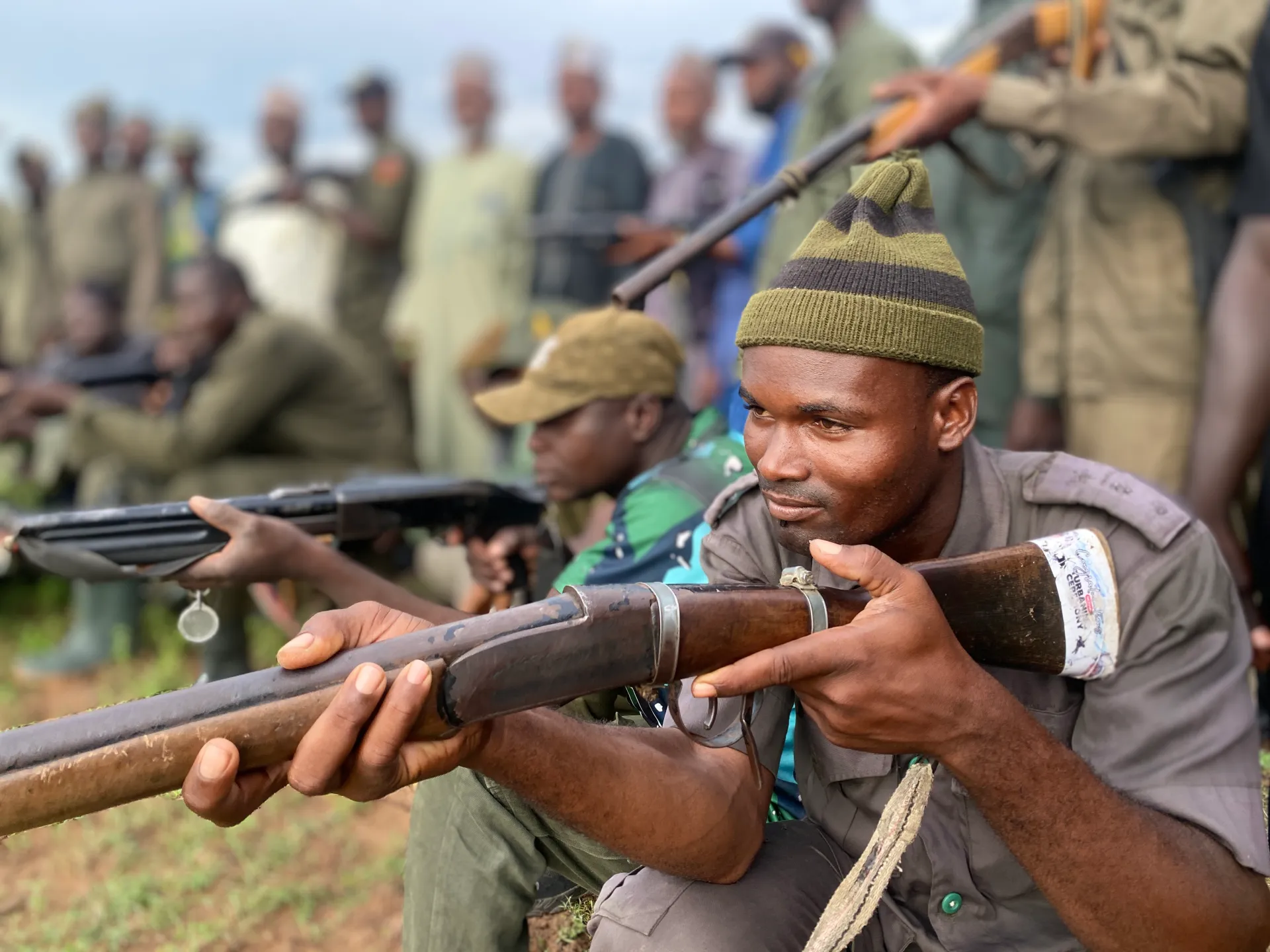
Nigeria’s Pulaku vigilante group helps stop kidnappings, but critics accuse the volunteers of severe human rights abuses and illegal detentions.
In Nigeria, the Pulaku vigilante group fights kidnappers and cattle thieves. Many residents in Adamawa State praise the group for saving lives. They often know the rugged terrain better than the national police. However, the group also faces serious accusations of abuse.
Daniel Musa, a local pastor, experienced both sides of this reality. Armed men kidnapped him and held him for three days in the mountains. He feared for his life as they demanded a large ransom. Then, Pulaku members rescued him during a shootout.
Next, Musa reunited with his family thanks to the vigilantes. He considers them heroes who stopped a dangerous crime. His church even honored the group for their community service. Still, other accounts paint a much darker picture of their methods.
Meanwhile, a man named Haruna Hamza tells a different story. He claims Pulaku members held him for over two months without cause. He alleges that they beat him until he lost consciousness. He still bears physical scars from the ordeal.
However, the group's commander denies these claims of torture. He argues that the marks on Hamza were fake. He insists that his organization follows strict rules. The group operates without formal government status or specific legal oversight.
Also, Pulaku relies on local donations and some state support. They work alongside police to track criminals in hidden mountain camps. The police admit they need this help to cover vast rural areas effectively.
After that, legal experts expressed concern about this arrangement. They note that no law gives these volunteers police powers. They should hand suspects to the police immediately. Instead, some members allegedly act as judge and jury.
Finally, experts see this trend as a sign of failed public security. Communities feel forced to protect themselves because the state cannot reach them. This reliance on armed volunteers creates deep risks for Nigeria. It may weaken state authority and hurt social trust in the long run.