
NASA readies a new supply mission to the space station while researchers study unique rock formations and international teams compete in global sports.
Why this matters
Space missions provide more than just new equipment for astronauts. These flights allow researchers to perform tests impossible on Earth. We learn how to fight diseases and improve human health in space.
Also, studying Earth from above teaches us about our planet's history. Geology helps us understand how continents formed over millions of years. Scientists compare these findings to other worlds in our solar system.
Meanwhile, international cooperation remains vital for these complex endeavors. Sharing data between nations ensures that scientific progress benefits everyone. Global events, including sports and research, highlight how interconnected our world has become.
Space logistics and scientific research
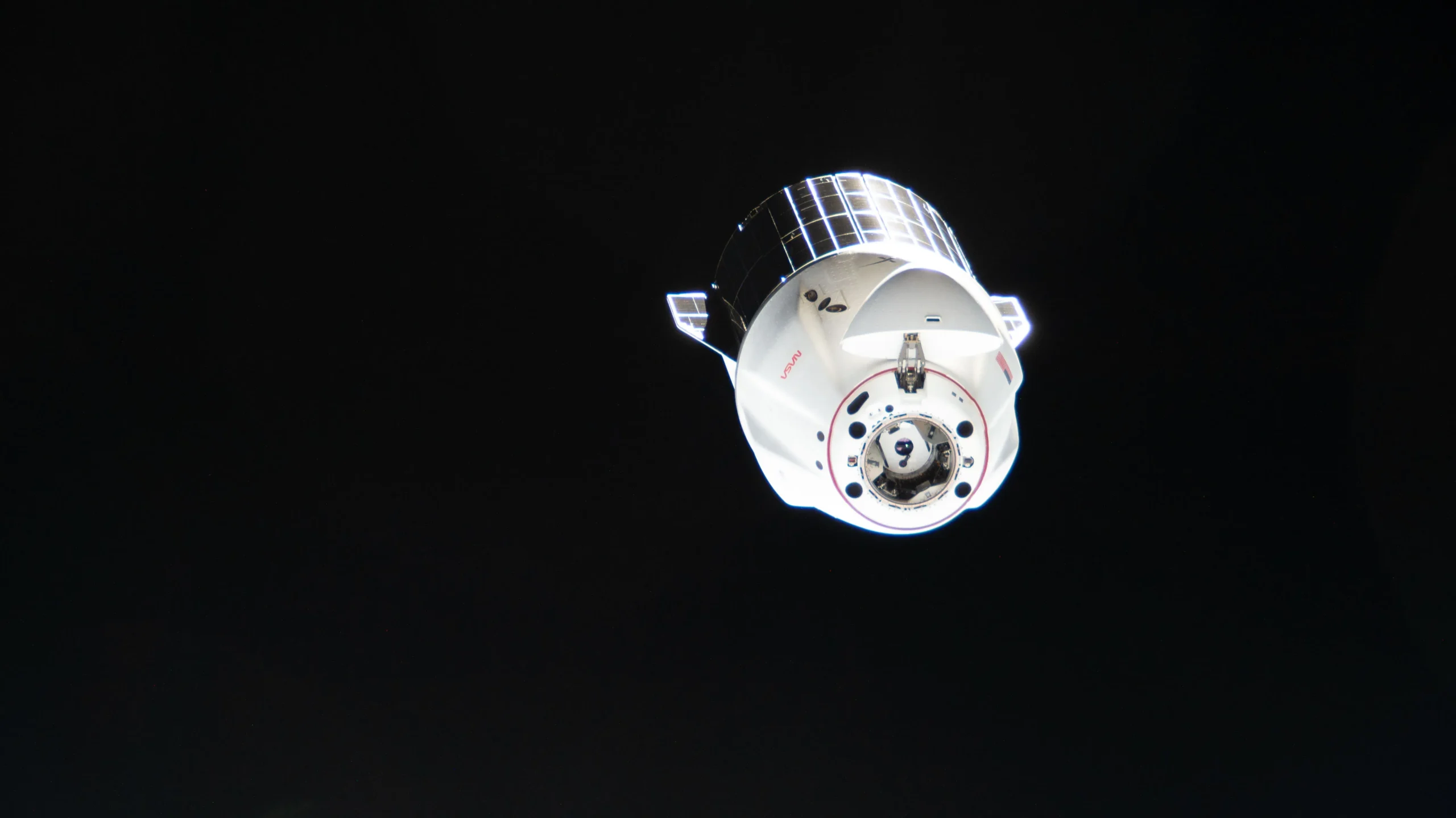
NASA is ready for its 35th SpaceX cargo mission. A Falcon 9 rocket will carry supplies to the space station. The launch happens at Cape Canaveral Space Force Station in Florida.
Next, the Dragon spacecraft will head toward the orbiting laboratory. It carries over 6,300 pounds of vital cargo. This load includes new solar arrays for the station.
After that, the crew will receive tools for medical research. Scientists want to build artificial retinas in microgravity. These tests could help restore vision for people on Earth.
Finally, the mission delivers 3D heart tissue models. Researchers will use these for large-scale drug testing. New studies on brain organoids might also help treat diseases like Alzheimer’s.
Geology and global connections
Space provides a unique view of our home planet. Astronauts recently photographed a bright rock formation in southern Madagascar. This area contains anorthosite, a rock common on the Moon.
Also, this discovery helps geologists study Earth's ancient past. The formation likely dates back 600 million years. High pressure and heat shaped these rocks over a long time.
Meanwhile, Spain continues its success in international soccer. The team recently won a major match against Czechia. This victory keeps them at the top of their group.
Still, sports and space exploration a drive for excellence. Both fields rely on teamwork and preparation to reach new goals. Success on the field or in orbit inspires people everywhere.
How we got here
- August 28, 2026: Astronauts photograph the Saririaky massif in Madagascar from space.
- July 2026: Spain wins the World Cup final against Argentina.
- June 16, 2026: A previous SpaceX Dragon cargo ship leaves the space station.
- June 17, 2026: The Dragon spacecraft lands off the coast of California.
- October 3, 2026: Spain beats Czechia 3-1 in a Nations League match.
What happens next
NASA will host a media meeting on October 8. Officials will discuss the upcoming cargo launch. They will also update the public on the recent Crew-12 mission return.
Next, the SpaceX mission will lift off on October 13. Docking should occur two days later at the Harmony module. The ship will stay attached to the station until mid-November.
Finally, the spacecraft will return to Earth with research samples. These samples will land off the coast of California. Scientists will then analyze the results to advance medical knowledge.