
A cargo ship sinks after a drone strike in the Black Sea while NASA prepares for a new supply mission to the space station.
Tension in the Black Sea reached a breaking point this week. Drone attacks hit two commercial ships near the coast of Bulgaria. One ship sank, leaving its crew missing. The other vessel sustained damage but survived with its crew rescued.
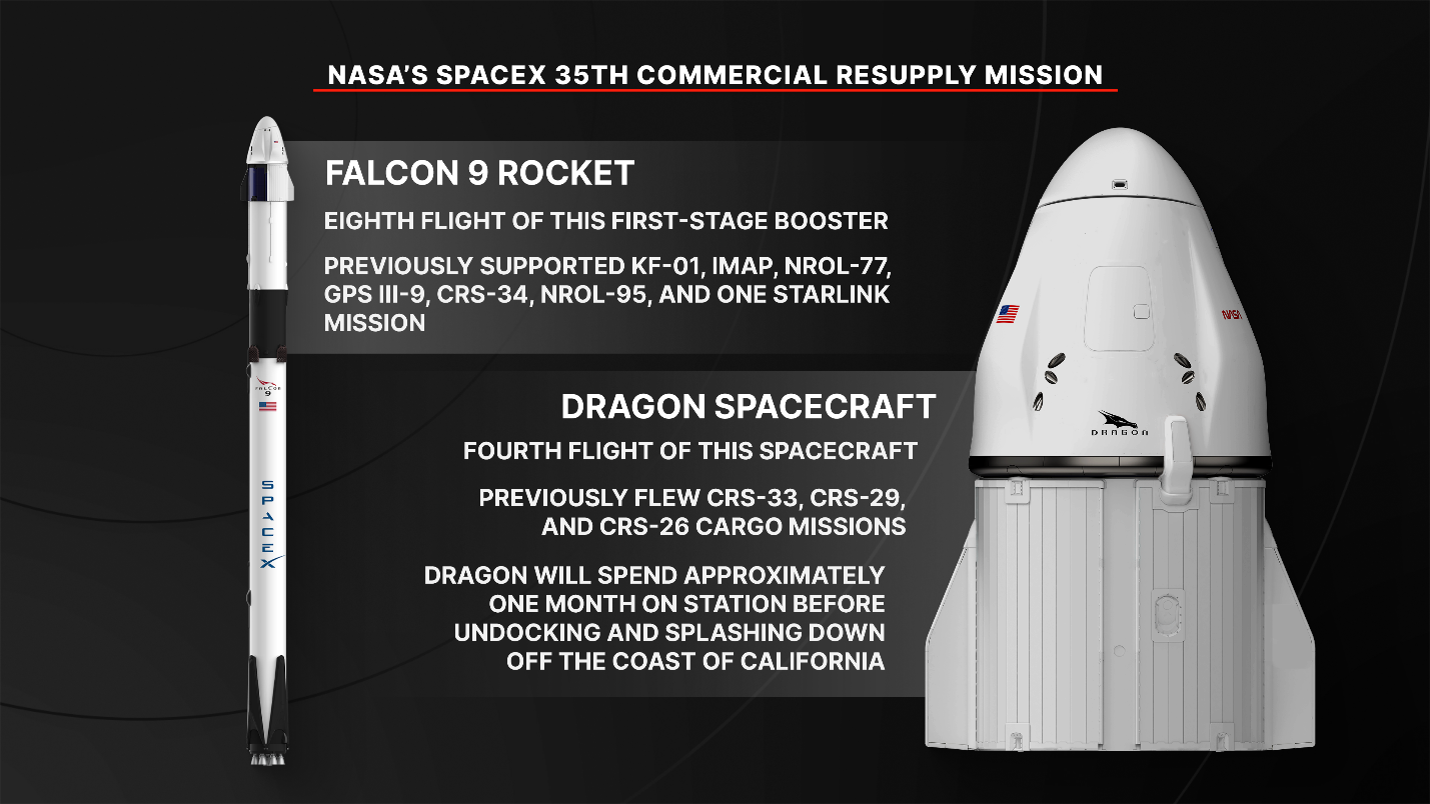
Meanwhile, NASA prepares for a busy month of science. The agency plans to launch its 35th cargo mission to the space station. These flights carry important research to help humanity on Earth. They also support future trips to the Moon and Mars.
Why this matters
These events show how different parts of the world remain connected. Conflict at sea affects global shipping and trade. It also threatens the safety of innocent workers.
Also, scientific research in space provides real benefits. New experiments help doctors treat eye diseases. They also help scientists create better heart models for testing drugs.
Finally, sports and geology remind us of human skill and Earth's history. International stars like Lamine Yamal bring fans together. Meanwhile, rocks in Madagascar tell a story millions of years old.
Tensions in the Black Sea
Bulgarian officials report that drone strikes hit two ships on Sunday. The attacks happened 70 miles off the town of Byala. The sunken ship, named the Alfa Watan, sailed under a Togo flag.
After that, rescue teams saved the crew of the second ship, the Able. This ship carried grain and sailed under the Palau flag. It had 11 Turkish and 7 Indian sailors on board.
However, the search for the missing crew from the Alfa Watan continues. Bulgarian leaders condemned the strikes as a violation of law. European Commission President Ursula von der Leyen called the attacks unacceptable.
NASA and Space Exploration
Next, NASA plans to launch a SpaceX Falcon 9 rocket. The mission will depart from Cape Canaveral in Florida. It carries over 6,300 pounds of supplies for the space station.
Then, the Dragon spacecraft will dock with the station. Researchers will test artificial retinas for eye patients. They will also grow 3D heart tissues to study vascular networks.
Also, astronauts recently captured images of a unique rock formation in Madagascar. This rock, called anorthosite, looks like the surface of the Moon. Scientists use these photos to learn about Earth's ancient past.
How we got here
- August 2026: Astronauts photograph the Saririaky anorthosite massif in Madagascar.
- July 2026: Spain wins the World Cup final against Argentina.
- October 3, 2026: Spain beats Czechia 3-1 in a Nations League match.
- October 6, 2026: Drones strike two commercial ships in the Black Sea near Bulgaria.
- October 13, 2026: NASA targets this date for the SpaceX 35th resupply launch.
What happens next
After that, NASA will monitor the weather for the upcoming rocket launch. If the weather stays clear, the mission will proceed on schedule. Successful docking remains the main goal for the agency.