
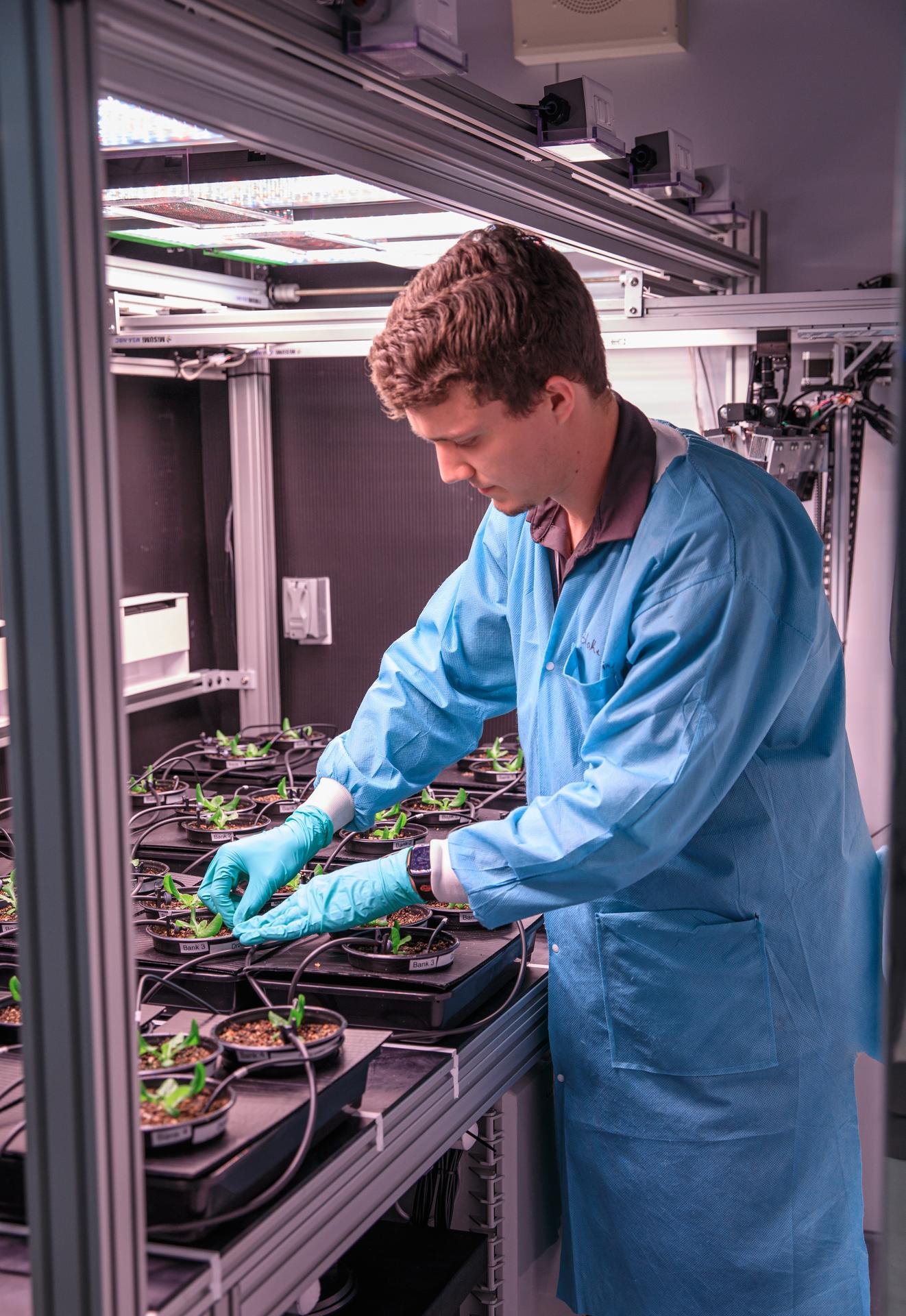
NASA is working with international partners to grow crops and deploy new science tools on the Moon to support long-term human missions.
NASA partners with Canada and Germany to grow food in space. This project aims to support humans on the Moon. Scientists will build a special module on Earth first.
Next, teams will test plants in environments like the Moon. This study teaches crews how to sustain long missions. It helps prepare astronauts for trips to Mars.
Also, NASA selected three new science projects for the lunar surface. These tools will map the Moon and its resources. They also look for natural shelters for future crews.
Why this matters
Building a Moon base requires more than just rockets. Astronauts need air, water, and fresh food to survive. Growing crops will recycle water and produce oxygen.
Meanwhile, the Moon is a harsh place for humans. It has no air and extreme temperature swings. New technology must protect hardware from space debris.
Finally, these missions pave the way for deep space travel. Learning to live off the land is a vital step. It reduces the need for constant supply drops from Earth.
New technology for lunar missions
NASA uses the PRISM program to pick new science tools. These payloads will land on the Moon soon. They act as an early warning system for safety.
Then, the LEMS-SP station will monitor the lunar environment. It tracks vibrations and gas in the thin lunar air. It keeps base equipment safe from harm.
Also, the GIMLI project will hunt for lava tubes. These underground tunnels provide shelter from radiation. They offer a safe spot for future lunar homes.
International cooperation in space
NASA works with the Canadian Space Agency and Germany. They signed an agreement for the Lunar Agriculture Module. This partnership focuses on high-tech plant studies.
After that, researchers will use cameras to check plant health. These tools spot problems before the plants wilt. This ensures a steady food supply for crews.
Still, the work remains challenging for all parties. Scientists must master farming in low gravity. They continue to refine these important life-support systems.
How we got here
- 2013: NASA studies plant health for long space missions.
- 1998: Chrissy Amphlett records music that is found decades later.
- 2023: Scientists begin using advanced cameras to track space crops.
- September 2026: NASA announces new scientific payloads for the lunar surface.
- September 2026: NASA signs a new agreement for lunar food research.
What happens next
Now, NASA will begin ground tests for the food module. Engineers will monitor plant growth under controlled settings. This data shapes the final design of the base.
Meanwhile, commercial companies will prepare to launch the payloads. These flights are part of the CLPS initiative. They will deliver gear directly to the lunar South Pole.
Finally, researchers will analyze the data from these missions. Their findings will influence future astronaut safety rules. Humans will move closer to a lasting presence on the Moon.