

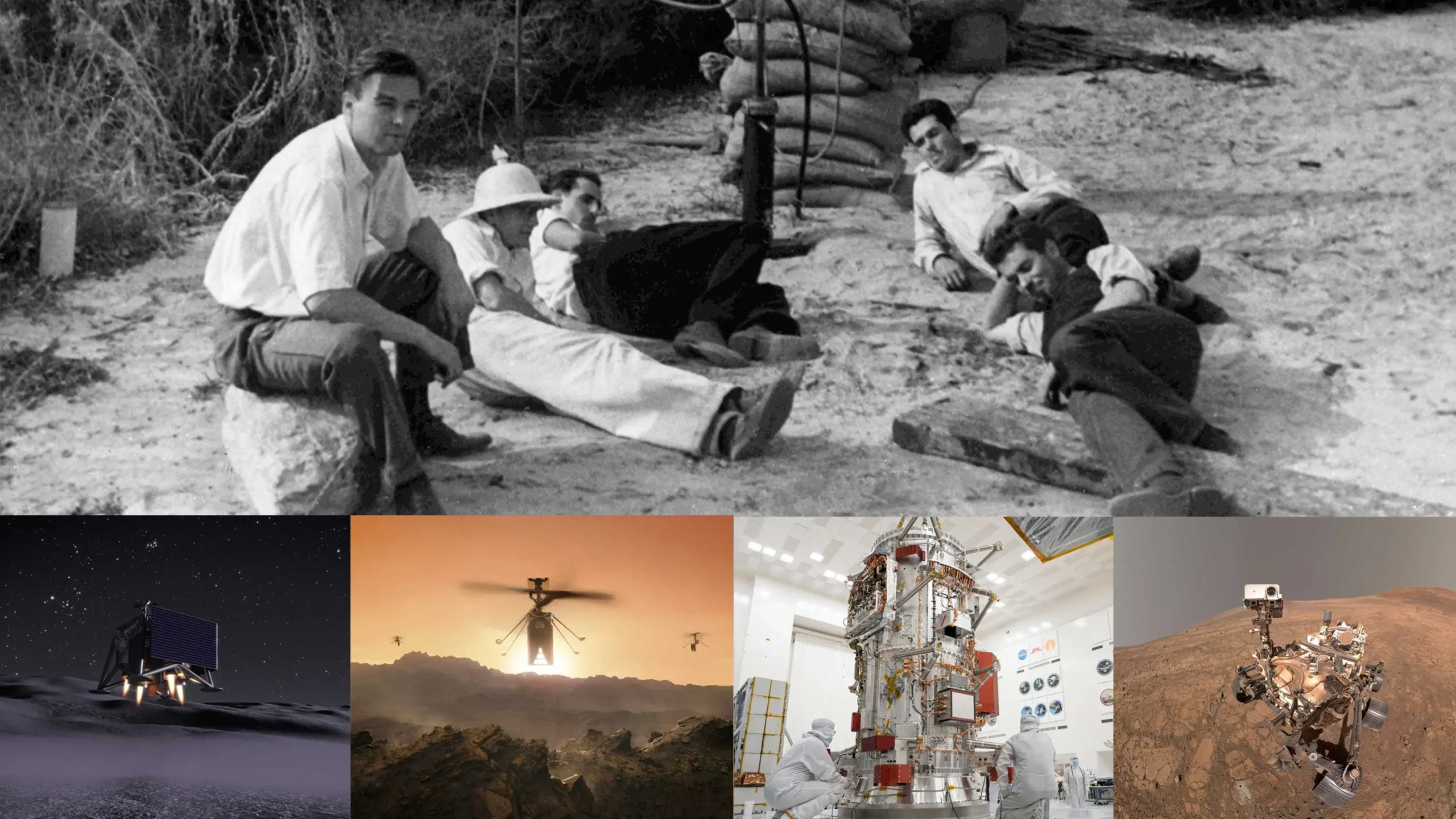
NASA's Jet Propulsion Laboratory celebrates ninety years of space milestones and prepares for future missions to the Moon, Mars, and beyond.
The Jet Propulsion Laboratory began in 1936. A group of students tested rockets in a dry riverbed. These pioneers started a long history of discovery. Now, the lab celebrates ninety years of innovation.
Initially, the lab worked for the U.S. Army. In 1958, the team launched Explorer 1. This satellite discovered radiation belts around Earth. It was the first spacecraft to perform scientific research.
Next, the lab joined NASA. It achieved many historic firsts over the decades. The team sent missions to the Moon and all four gas giants. They also landed rovers and helicopters on Mars.
However, the work continues today. Dave Gallagher serves as the current lab director. He believes in pushing boundaries for future generations. The team focuses on new missions to expand human knowledge.
Also, the lab plans several exciting upcoming projects. The SkyFall mission will deploy helicopters on Mars in 2028. These drones will search for ice and study weather. Another mission called MoonFall will send large drones to the lunar South Pole.
Meanwhile, the SunRISE mission will study the Sun. It uses six small satellites flying in formation. This project helps scientists understand solar activity. It makes space travel safer for human explorers.
Furthermore, the lab protects Earth from asteroids. The NEO Surveyor mission finds dangerous space rocks. It helps NASA prepare for potential threats. The team also monitors Earth’s health through various satellites.
Then, the lab studies our planet's climate. Researchers track water movement and tropical storms. They also look at how air pollution impacts our health. These missions provide vital data for everyone.
Finally, the lab looks toward the future. It continues to develop advanced sensor technology. The Voyager spacecraft remain active in deep space. These historic probes still send data back to Earth today.