
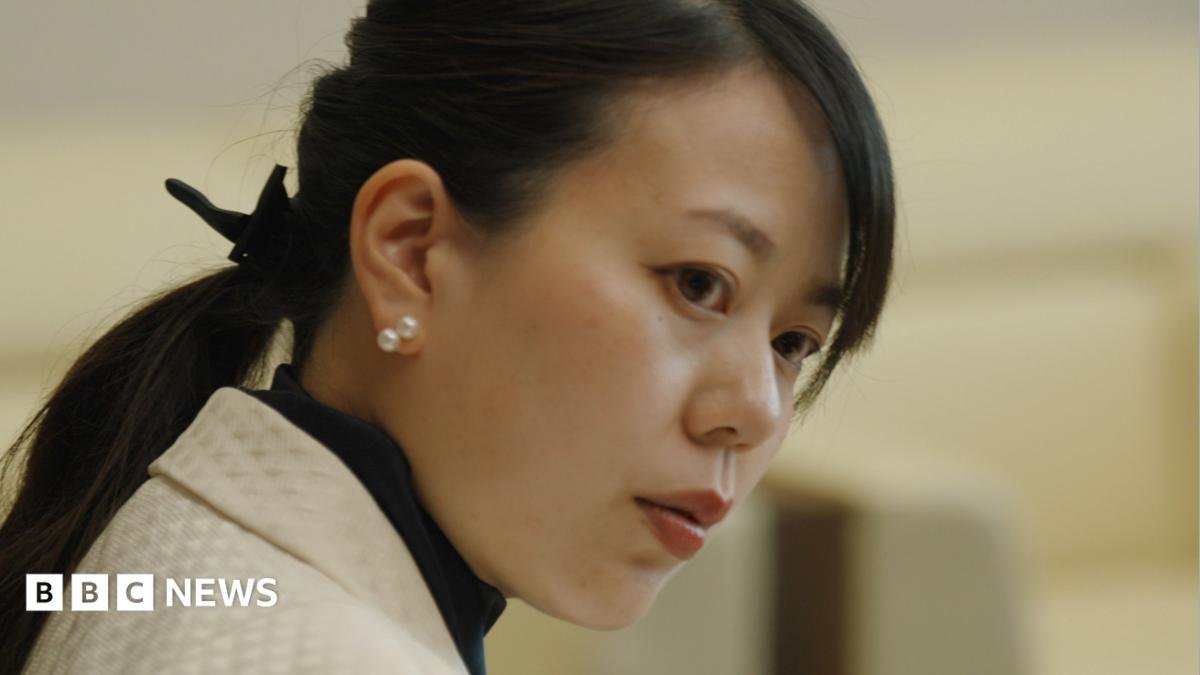
Japanese Mayor Shoko Kawata gains international recognition after sparking a debate about maternity leave for elected officials.
Shoko Kawata now ranks among the 100 most influential rising stars. TIME Magazine selected her for this honor recently. The 36-year-old serves as the mayor of Yawata City in Japan. She made history as the first Japanese mayor to take maternity leave.
The mayor gave birth to her first child on September 15. Her choice sparked a fierce national debate about female leadership. Some critics labeled her decision as irresponsible for a public official. Others praised her for setting a new standard for working mothers.
Why this matters
This situation highlights a deep conflict in Japanese society today. Japan faces a shrinking population and very low birth rates. Yet, the country lacks formal rules for elected officials who have babies. This gap in policy forces women to choose between their careers and family life.
Also, Kawata represents a push for modern workplace equality. Her actions challenge traditional views on how politicians should behave. She argues that excluding mothers from politics harms the entire nation. By staying in office, she hopes to create a more inclusive system for everyone.
Furthermore, the public reaction reveals how difficult change can be. Many citizens still expect leaders to prioritize work over personal milestones. Kawata's success or failure may change laws for future local leaders. Her experience provides a blueprint for others to follow in the future.
A new path for local government
The mayor navigated a difficult road to balance her duties. Japan has no legal framework for maternity leave for local mayors. She worked with her office to create a temporary plan. This plan allowed her to step back for 16 weeks.
Next, she transferred her official authority to her deputy mayor. Shigeto Nose took over these specific responsibilities during her leave. Kawata also worked remotely whenever she could manage it. She says she wants to use these life lessons to improve local policies.
Finally, the mayor remains firm in her stance against the backlash. She believes her pregnancy makes her a better advocate for parents. She plans to address issues like childcare and family support in real time. Her supporters see this as a victory for women in all fields.
How we got here
- Earlier this year: Shoko Kawata announces her plan to take maternity leave while serving as mayor.
- September 15, 2026: Mayor Kawata gives birth to her first child and shares the news on social media.
- Late September 2026: TIME Magazine names Kawata one of the 100 most influential rising stars worldwide.
What happens next
As a result, Kawata will likely continue to face pressure from traditionalist groups in Japan. However, her inclusion on the TIME list gives her a larger platform. She will likely use her influence to push for permanent legal reforms. These reforms could protect maternity rights for all elected officials.
Then, the national government might review its policies on leave for local leaders. Experts suggest that more flexible systems will become necessary soon. Local offices will watch her performance closely to see if her plan works. Her success as a mother and mayor could shift public opinion across the nation.