

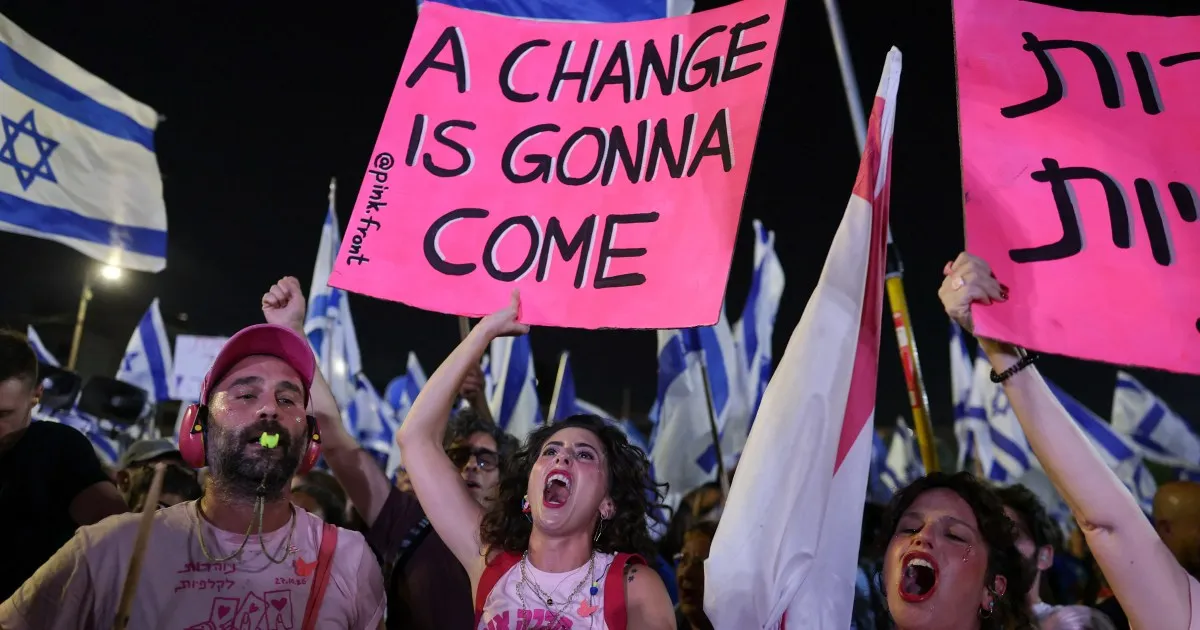
Critics argue that Israel's upcoming elections will not change government policy toward Palestinians, regardless of which political bloc wins.
Israel’s current election campaign centers on two main groups. One bloc supports Prime Minister Benjamin Netanyahu. The other group opposes him. Many observers believe these two sides offer different visions for the country.
However, this assumption ignores the reality regarding the Palestinians. Foreign diplomats often hope that removing Netanyahu will revive the two-state solution. They mistakenly believe he is the only obstacle to peace.
Meanwhile, recent years have seen war crimes and reports of atrocities. One might expect these issues to influence how citizens vote. Sadly, most voters support policies that deny freedom to Palestinians.
Also, both major political blocs back the ongoing destruction in Gaza. They support the colonization of the West Bank. Candidates frequently use slogans that call for further land theft and violence.
Next, the opposition parties show no real difference in their core beliefs. Rivals like Avigdor Liberman also call for harsh actions against Gaza. Even self-described leftists reject a Palestinian state.
As a result, the upcoming ballot will not address the genocide or the occupation. Instead, the debate focuses on minor details. Politicians argue over how to punish Palestinians or draft ultra-Orthodox citizens.
Then, we must look at why the public supports such extreme positions. These actions have become normalized within Israeli society. The country has rarely faced consequences for land theft or collective punishment.
Furthermore, the international community has largely allowed this behavior to continue. This silence signals to Israelis that their actions are acceptable. Many believe they possess superior rights over others.
Finally, change will not happen from inside Israel. The world must impose meaningful sanctions to hold the nation accountable. Without outside pressure, both political blocs will likely continue their current, destructive path.