

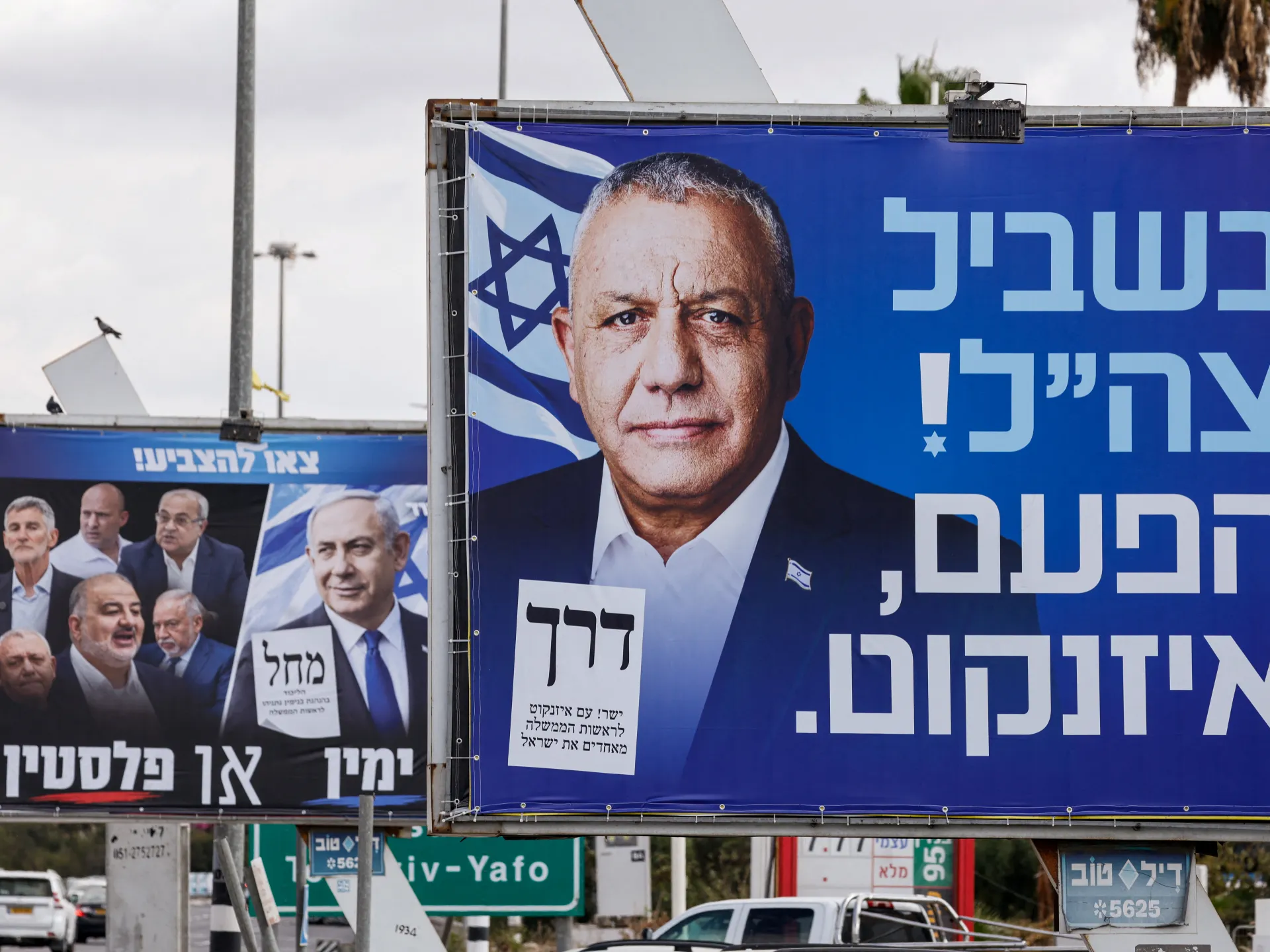
Israel's upcoming election could trigger major policy shifts. A change in leadership might alter the country's approach to regional security and diplomacy.
Israel faces a critical general election soon. Many voters see this vote as a major turning point for the nation. Recent polls show the current coalition and the opposition are locked in a tight race.
However, the actual situation remains complex. Most surveys suggest Prime Minister Benjamin Netanyahu will struggle to reach a majority. Opposition leaders have also ruled out working with parties representing Palestinian citizens.
Next, voters might choose a new government led by Gadi Eisenkot. He is a former military chief of staff. This potential leadership change raises questions about future national policies.
Meanwhile, Netanyahu has held power for nearly two decades. His long tenure has left the country deeply divided. Critics argue his focus on keeping power has damaged national unity.
Also, Netanyahu faces serious legal battles including fraud and bribery charges. These personal issues have influenced his political decisions. He has relied heavily on far-right partners to stay in office.
After that, the October 7 attacks by Hamas increased fear across Israel. This shift pushed the political climate further to the right. Many opposition parties also hold right-wing views but differ from the current coalition.
As a result, a new prime minister could govern with more freedom. A leader without pending criminal trials might prioritize national interests over personal survival. This could change how Israel manages the ongoing war in Gaza.
Still, a new government would likely act as a force for containment. It might stop the controversial judicial overhaul plans. Such a move would help restore checks and balances in the Israeli system.
Furthermore, a new administration could address settler violence more effectively. It might also halt projects like the E1 settlement in the West Bank. These steps could help lower tensions with the international community.
Finally, a shift in power could change Israel's diplomatic approach. New leaders might rely less on military force in regional conflicts. They may also avoid extreme policies designed only to please a radical political base.
Ultimately, this election offers a chance to restore some normality. While change may be limited, it could open doors for future progress. Voters must now decide the path for the country's future.