

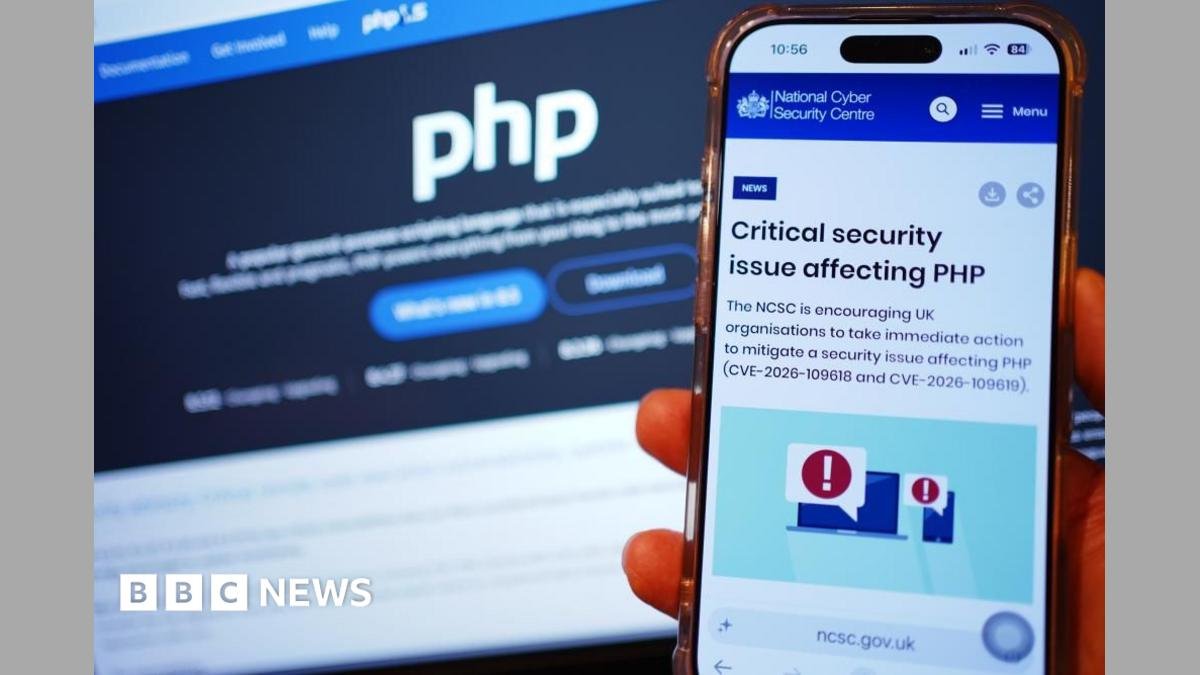
Global organizations are racing to update systems after researchers discovered critical security vulnerabilities in the widely used PHP programming language.
Organizations worldwide are rushing to update their computer systems. This follows the discovery of critical security flaws in PHP. This programming language supports a huge portion of the internet.
Developers identified severe vulnerabilities within the PHP code. These flaws could allow hackers to run harmful commands remotely. Many websites chose to go offline to prevent potential attacks.
Meanwhile, the UK government took several services offline as a precaution. Officials stated that 32 services became unavailable to the public. They did this to protect systems while applying necessary security patches.
Also, experts note that no successful hacks have occurred yet. However, the full impact of these risks might take months to appear. The National Cyber Security Centre called the situation unprecedented.
Then, private companies faced similar challenges. Cloudflare reported millions of attempted attacks following the public announcement. Tech giants like Amazon also witnessed many attempts to exploit these vulnerabilities.
After that, businesses began reporting operational delays. One garage owner in Wales struggled to process vehicle certificates online. He had to rely on paper records, which caused significant customer wait times.
Next, researchers explained the nature of the problem. A firm called Wiz helped uncover these issues using AI tools. They noted that PHP powers roughly 70 percent of all websites today.
However, the window for responding to such threats is shrinking. Cyber security experts warn that attackers now act within hours instead of weeks. This puts immense pressure on IT teams to deploy fixes quickly.
Finally, industry leaders are highlighting the human element. Security professionals face high levels of burnout during these intense events. Experts suggest that resilience depends on both good technology and rested people.