
NASA astronauts return from a long mission as the world marks a painful anniversary of conflict and navigates slow diplomatic progress.
Why this matters
Our world faces complex challenges on both Earth and in space. People seek recovery after years of conflict while scientists push the boundaries of technology. These events show how far humanity has come and how much work remains. Understanding these shifts helps us prepare for the future.
Meanwhile, the divide between Earth's troubles and space discovery remains wide. Conflict disrupts lives in ways that space missions cannot heal. Yet, the drive to explore unites people across borders. Both arenas require patience and long-term vision from global leaders.
Space missions and distant views
NASA crews recently completed a long journey in orbit. Four astronauts returned to Earth on October 8 after 237 days. They splashed down in the Pacific Ocean near Los Angeles. This mission included experts from the U.S., Europe, and Russia.
After that, the group prepared for a debriefing in Houston. They traveled over 100 million miles during their time in space. Their work helped scientists learn more about long-term human flight. This knowledge is vital for trips to other planets.
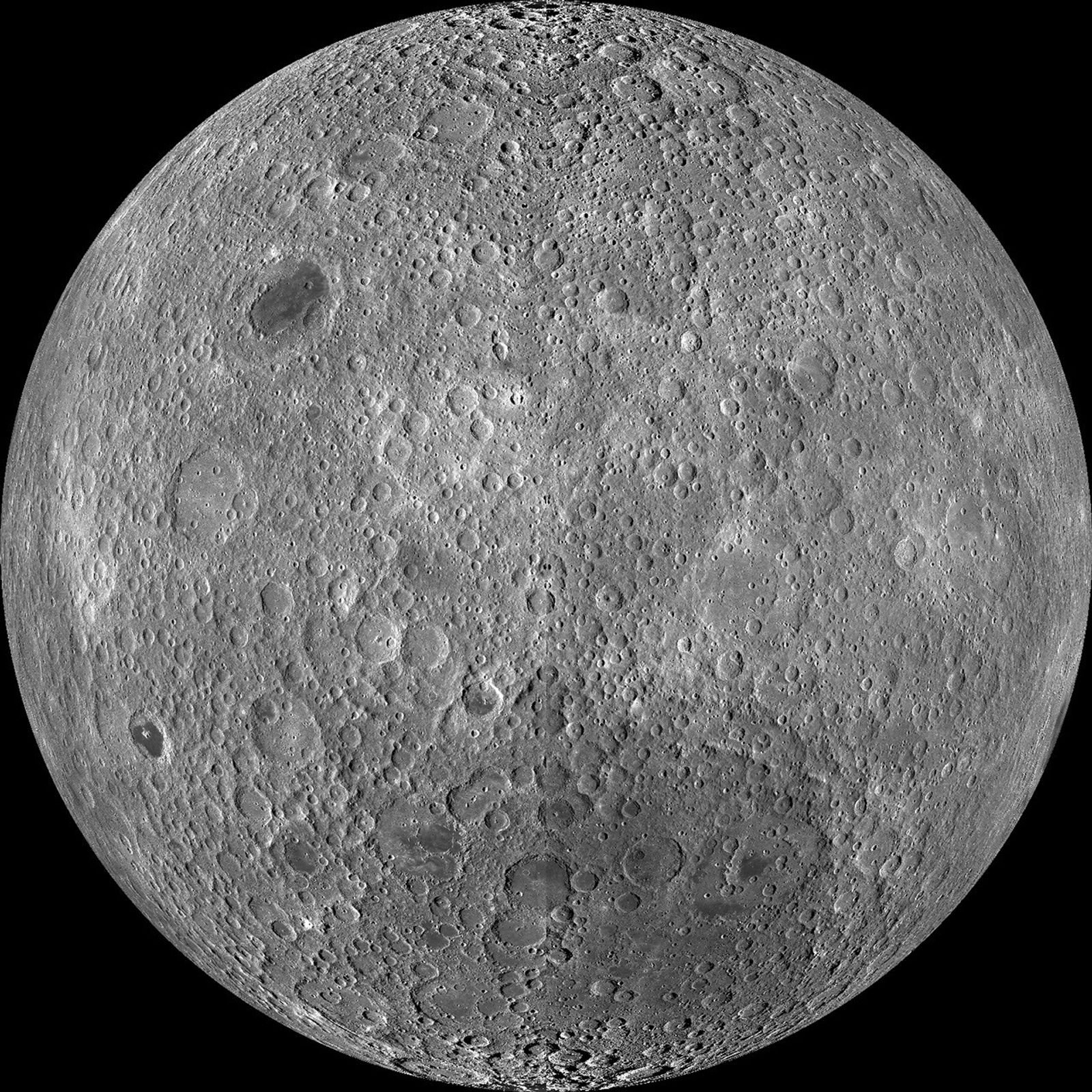
Also, NASA released new images of the Moon this month. These pictures show the lunar farside in great detail. The surface there looks rough and battered compared to the nearside. Scientists say the crust is much thicker on that side of the Moon.
Finally, this thick crust prevents lava from reaching the surface. The nearside has smooth, dark plains that form differently. These images come from the Lunar Reconnaissance Orbiter. They provide a clear view of features as small as 100 meters across.
Reflecting on past and present conflict
Israel marked the third anniversary of the October 7 attacks this week. Families gathered to remember those lost in the violence. Kibbutz Nir Oz remains a symbol of the deep pain felt by many. Survivors like Dalit Ram Aharon shared stories of their lost neighbors.
However, the region continues to struggle with the aftermath. Bullet holes still mark the doors of homes in the area. Postboxes display red and black stickers to note those killed or taken hostage. These signs serve as a constant, painful reminder for the community.
Meanwhile, international politics remain equally tense. Leaders discuss the war between Russia and Ukraine with little progress. President Vladimir Putin told President Donald Trump that new talks seem unlikely. Diplomacy faces high hurdles as the conflict drags on into late 2026.
How we got here
- February 2026: The Crew-12 mission launched toward the International Space Station.
- October 7, 2023: Hamas-led forces attacked Kibbutz Nir Oz and other nearby areas.
- October 8, 2026: NASA’s Crew-12 mission safely splashed down in the Pacific Ocean.
- October 10, 2026: Officials reported that peace talks in the Russia-Ukraine war remain stalled.
What happens next
Experts expect NASA to use these mission results for future flight plans. The agency wants to master long-term survival in orbit. These steps pave the way for missions beyond our immediate neighborhood. The upcoming briefing will clarify the next research goals.
Still, peace on Earth appears harder to achieve than space travel. Diplomats will likely continue to look for ways to lower tensions. Success depends on the willingness of leaders to find common ground. For now, the world watches both the stars and the news for signs of change.