
Israel faces worsening diplomatic ties with Europe as it approaches a critical election. Experts doubt the results will easily fix the damaged relationship.
Israel and Europe shared strong ties for decades. They collaborated on sports, intelligence, and defense projects. However, recent events in Gaza damaged this long-standing friendship.
Next, the destruction in Gaza caused a major shift in diplomatic tone. European nations now openly criticize Israeli policies. Some countries even withdrew from cultural events like Eurovision.
Also, Ireland and Spain lead the calls for accountability. They frequently label the ongoing conflict as a humanitarian disaster. Britain recently banned goods from illegal settlements.
Meanwhile, violent incidents involving settlers further isolate Israel. Settlers recently attacked European diplomats in the West Bank. This event sparked widespread international condemnation.
However, Israel heads to a close election on October 27. Analysts wonder if a new government can repair these broken ties. Many experts remain skeptical about a quick recovery.
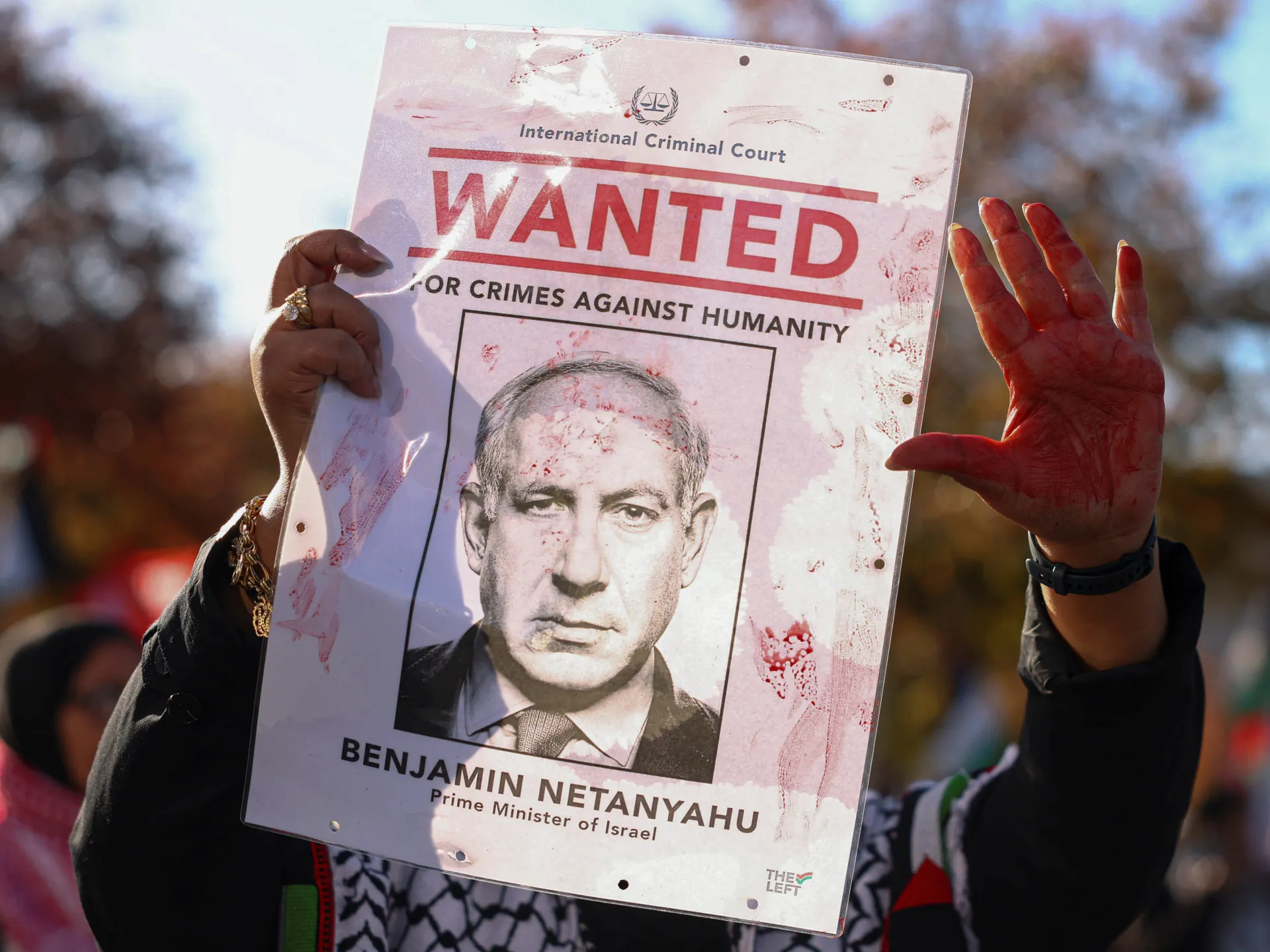
Then, the potential re-election of Benjamin Netanyahu looms large. He faces an arrest warrant from the International Criminal Court. This complicates future diplomatic outreach to Europe.
Still, even a moderate government might struggle. Many opposition leaders also oppose Palestinian statehood. Consequently, European leaders demand concrete policy changes instead of just new faces.
As a result, public opinion in Europe has turned against Israel. Protests across the continent influenced government policies. Many citizens now demand stricter sanctions against the Israeli state.
Finally, domestic politics in Israel focus on security rather than international views. Voters prioritize military goals over diplomatic standing. This disconnect makes a shift in foreign policy unlikely.