
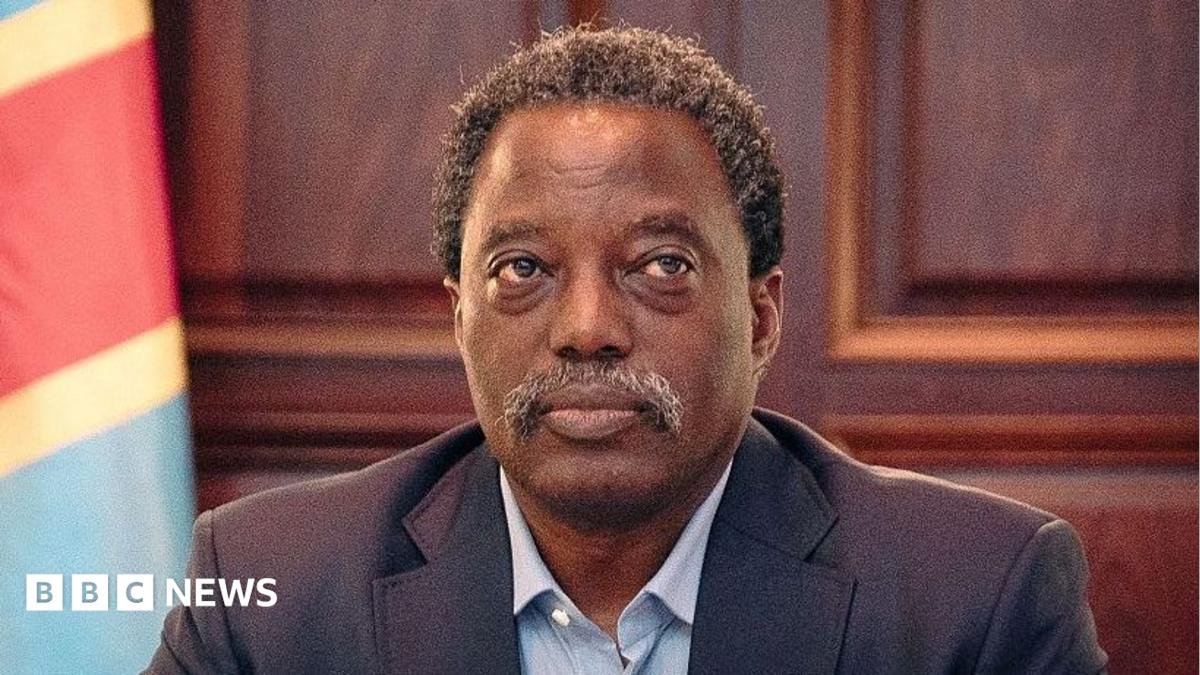
Former President Joseph Kabila has formed a new rebel coalition to challenge the current government in the Democratic Republic of Congo.
Why this matters
Joseph Kabila led the Democratic Republic of Congo for eighteen years. His turn to armed rebellion marks a major shift in African politics. This move threatens to destabilize an already fragile region.
However, the stakes go beyond local power struggles. The coalition aims to seize control of mineral-rich areas in the east. Global technology companies rely on these resources for batteries and electronics. Continued conflict risks cutting off these critical supply chains.
Also, the move challenges the current government's authority directly. President Félix Tshisekedi now faces a military threat from his predecessor. This creates a high risk of civil war. The potential for a long-term conflict remains very high.
The rise of the new rebel movement
The new group calls itself the Front for the Refoundation of the Nation. Kabila publicly launched this coalition at his home in Goma. This city currently sits under the control of the M23 rebel group.
Then, the group announced its clear goals. It plans to remove the current government by force. They describe their mission as an attempt to end national tyranny.
Next, the group named its leadership team. Sultani Makenga will serve as a deputy to Kabila. Three other leaders from the AFC-M23 alliance also joined the new command structure.
After that, Kabila stepped into the public spotlight. He recently criticized the government for failing to manage the economy. He also accused leaders of ignoring his earlier peace proposals. The government has stayed silent on these serious claims.
Political instability and regional tensions
Meanwhile, the country faces deep political divisions. President Tshisekedi recently hinted at seeking a third term in office. Parliament is considering a new law to remove term limits.
Also, citizens in the capital recently protested these proposed changes. Authorities clashed with those demonstrators last month. The government claims it needs to handle security issues first.
Still, the nation remains caught in a cycle of violence. Over one hundred militia groups currently operate in the eastern provinces. Ethnic tensions continue to fuel these ongoing battles for local power.
How we got here
- 2001: Joseph Kabila becomes president of the Democratic Republic of Congo.
- 2019: Félix Tshisekedi takes office after a disputed national election.
- 2024: Authorities sentence Kabila to death in absentia for treason.
- 2025: Kabila delivers a public address claiming the need to rescue the country.
- 2026: The Front for the Refoundation of the Nation forms under Kabila’s leadership.
What happens next
The government must decide how to respond to this armed challenge. Observers expect an increase in military activity in the east. This could lead to a massive escalation in regional fighting.
However, the international community will likely watch these developments closely. Diplomatic pressure may increase as the risk of war rises. Regional neighbors may also fear the conflict spreading across their borders.
Finally, the future of the 2028 elections remains unclear. The government might use the current security crisis to delay the vote further. The path ahead holds great uncertainty for all Congolese citizens.