

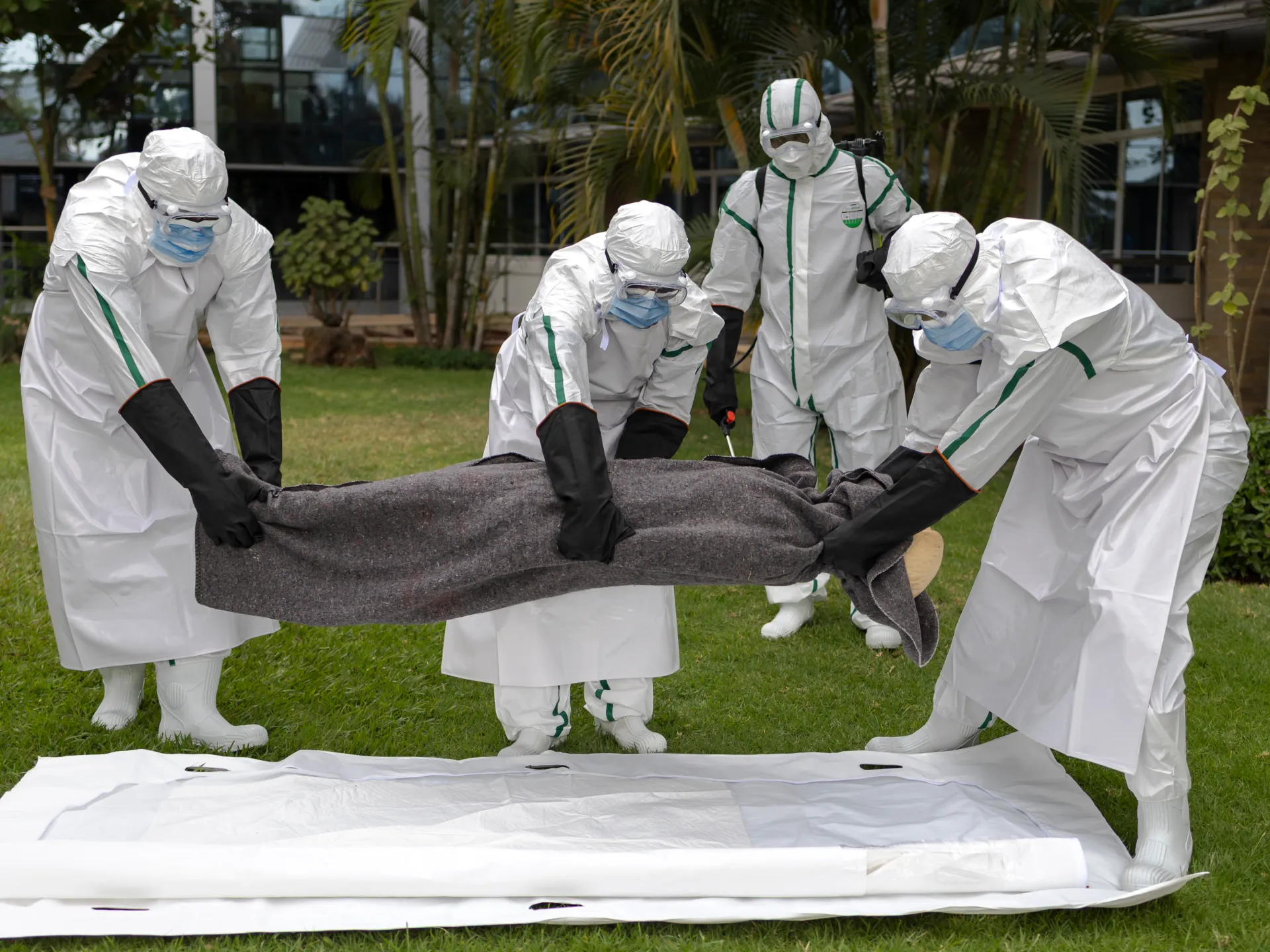
Confirmed Ebola cases in the Democratic Republic of the Congo have surpassed 10,000, making it the deadliest outbreak in the country's history.
Ebola infections in the Democratic Republic of the Congo have topped 10,000 cases. This marks the fastest and deadliest outbreak in the nation's history. Government health officials reported 4,887 deaths during this crisis.
Also, this epidemic is now the second-largest on record globally. Only the 2014-2016 West African crisis saw higher numbers. Currently, 80 percent of new cases appear outside of monitored transmission chains.
Next, experts note that 95 percent of cases must come from known contacts to control the spread. The outbreak began in May and involves the rare Bundibugyo virus. No approved vaccine or treatment currently exists for this specific strain.
However, the World Health Organization recently launched a clinical trial for a potential vaccine. Responders face severe healthcare shortages across the region. Many treatment centers are overwhelmed, and remote areas lack basic medical supplies.
After that, the virus spread to 66 health zones across eight provinces. Teams often struggle to transport patients or conduct safe burials. Many families refuse to hand over the sick for medical care.
Meanwhile, the crisis disrupts other essential services like childhood vaccinations. Maternal deaths have doubled in some provinces since the outbreak started. Strikes over unpaid wages also hinder the response efforts.
Still, health workers face dangerous attacks due to public mistrust. Assailants recently killed a nurse during a response call. Officials emphasize that responders must be able to work in safety.
As a result, neighboring countries are taking strict precautions. Uganda now requires a 21-day quarantine for citizens returning from the Congo. These travelers must pay for their own stay during this period.
Finally, the virus has reached Nigeria and Kenya through cross-border travel. A patient was recently evacuated to Switzerland for specialized treatment. Authorities in these nations have increased airport screenings to stop further spread.