
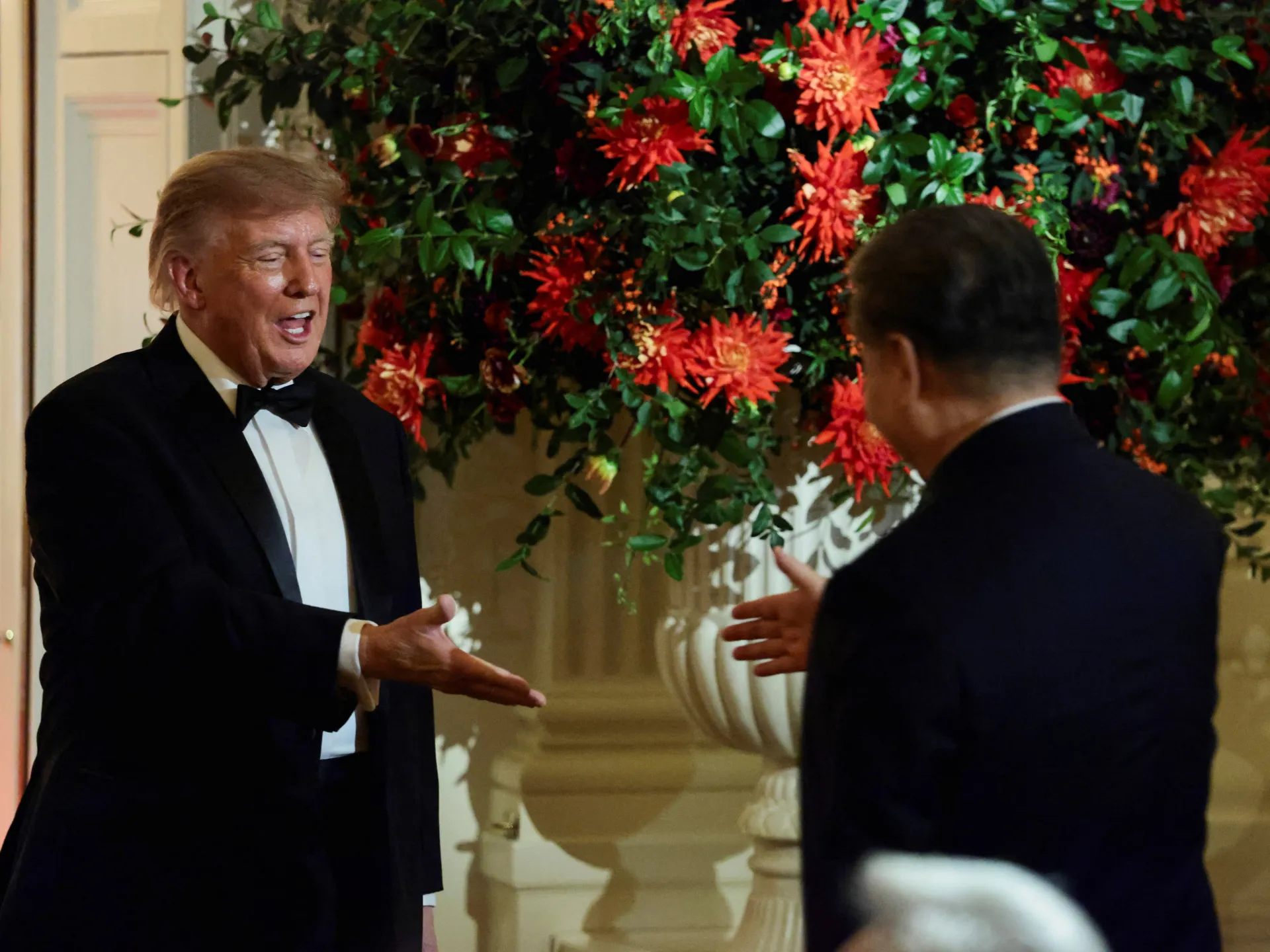
A dramatic shift in U.S.-China relations has arrived, marked by a rare tarmac greeting and a pivot away from the hostile rhetoric that defined the previous decade.
The reception of Chinese President Xi Jinping ransitioning from the hostile rhetoric that defined the preceding decade toward an era of performative, albeit fragile, reconciliation. c respect unseen since the Kennedy administration—the U.S. president is attempting to stabilize a volatile relationship that has historically been characterized go beyond symbolic gestures; the global economy remains tethered to the stability of this bilateral connection, even as both nations continue to navigate deep-seated systemic competition.
This shift is not merely about protocol but reflects a strategic re-calibration of the U.S. approach to managing global rivals. Where previous years were marked anguage, the current administration seems to have recognized that total economic decoupling carries prohibitive costs. However, the lack of substantive policy shifts—beyond a modest extension of an existing trade truce—suggests that while the mood music has changed, the underlying structural conflicts remain largely unresolved. This leaves international observers and domestic stakeholders questioning whether the "lavish welcome" is a precursor to long-term cooperation or merely a tactical pause in a much larger, ongoing contest for global influence.
The spectacle of the recent arrival in Washington stands in stark relief to the language utilized emanating from the White House often painted Beijing as a primary antagonist, frequently employing terms such as "enemy" and characterizing trade practices as a form of "theft" or exploitation. These sentiments were often amplified through public statements and social media, where the administration framed U.S.-China interactions as a binary struggle of winners and losers.
Despite the current warmth, the substance of the meetings appears narrow in scope. While the administration focused on the aesthetic of the encounter—incorporating extensive pageantry and high-level hospitality—the concrete outcomes remained confined to extending a fragile trade truce for two months. This minimal progress highlights a persistent gap between the rhetoric of "great friendship" and the practical reality of navigating complex issues like technology transfer, currency valuation, and market access. As the two nations attempt to recalibrate their interaction, they must contend with a decade of accumulated animosity that has reshaped public perception and legislative priorities on both sides of the Pacific.
In the immediate term, the two-month truce serves as a cooling-off period, likely intended to allow for back-channel negotiations on more contentious trade and technology issues. Whether these discussions will lead to a broader trade agreement remains speculative, but the current atmosphere suggests a desire to avoid an immediate escalation of hostilities. Analysts anticipate that the administration will continue to prioritize high-profile diplomatic events to maintain the appearance of stability, even as underlying pressures from domestic industries and legislative factions push for a more adversarial stance.
Looking further ahead, the endurance of this "great friendship" will be tested yield tangible benefits for U.S. manufacturing or technology sectors, the administration may find it difficult to justify the optics of a lavish welcome against a backdrop of persistent economic friction. The upcoming months will act as a barometer for whether this shift in tone is a sustainable policy evolution or a transient reaction to immediate geopolitical pressures.