
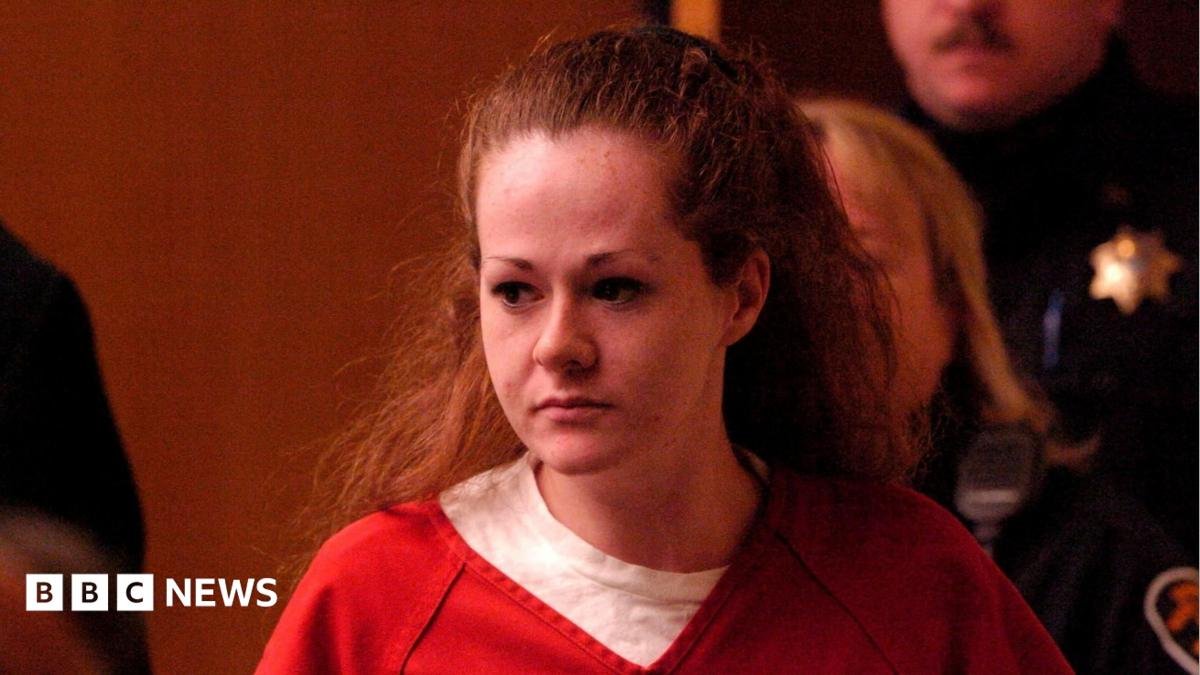
A failed execution attempt in Tennessee left prison staff in chaos and sparked new legal questions about the death penalty.
Prison staff and emergency workers struggled with confusion last month. This occurred after a failed execution in Tennessee. Christa Pike survived a lethal injection attempt at Riverbend Prison.
The process took place on September 30. Prison staff gave Pike two doses of pentobarbital. She did not die as officials expected. They then moved her to a hospital.
However, communication problems delayed her medical care. Emergency call records show a disconnect between prison departments. First responders even questioned if the initial call was real.
Why this matters
This event puts the death penalty in a new light. Officials rarely face such failures in American prisons. It challenges current rules about how states carry out these sentences.
Also, this case creates a difficult legal situation. Pike is the only person to survive a lethal injection attempt. Courts now have no clear guide on what to do next.
Then, the incident sparks debates about state power. Critics argue that state systems lack transparency during executions. Supporters of the death penalty remain concerned about the process's failure.
Breakdown of the emergency response
The first call happened at 8:40 p.m. A prison caller told dispatchers about the failed attempt. They had given 10 grams of the lethal drug.
Next, the dispatcher asked for a verification code. The prison caller could not provide one. This led responders to think the call was a fake.
After that, the confusion continued for several minutes. Staff from the prison’s command center eventually stepped in to help. They worked to confirm the emergency to outside agencies.
Medical and legal aftermath
Pike’s legal team offered a theory on the failure. They believe the drug spread under her skin. It did not reach her bloodstream in high amounts.
Meanwhile, the prison system has kept quiet. They have not explained what went wrong. The state corrections department has not responded to requests for comment.
Finally, Pike is back in custody. Her lawyers say she faces a long recovery. It is not clear what medical care she receives inside the prison.
How we got here
- 1995: Christa Pike murders Colleen Slemmer.
- September 30, 2026: The state attempts to execute Pike via lethal injection.
- September 30, 2026: Emergency responders initially doubt the prison’s distress call.
- October 2026: Reports confirm Pike survived the procedure and returned to prison.
What happens next
Legal experts expect a long court battle ahead. The state must decide if it will try again. This creates a rare legal test for the government.
Also, civil rights groups may file new lawsuits. They will likely focus on the cruelty of the failed attempt. This could pause other executions in the state.
Finally, the corrections department faces pressure to explain. They must show how they will prevent similar mistakes. Public trust in the process remains very low right now.