
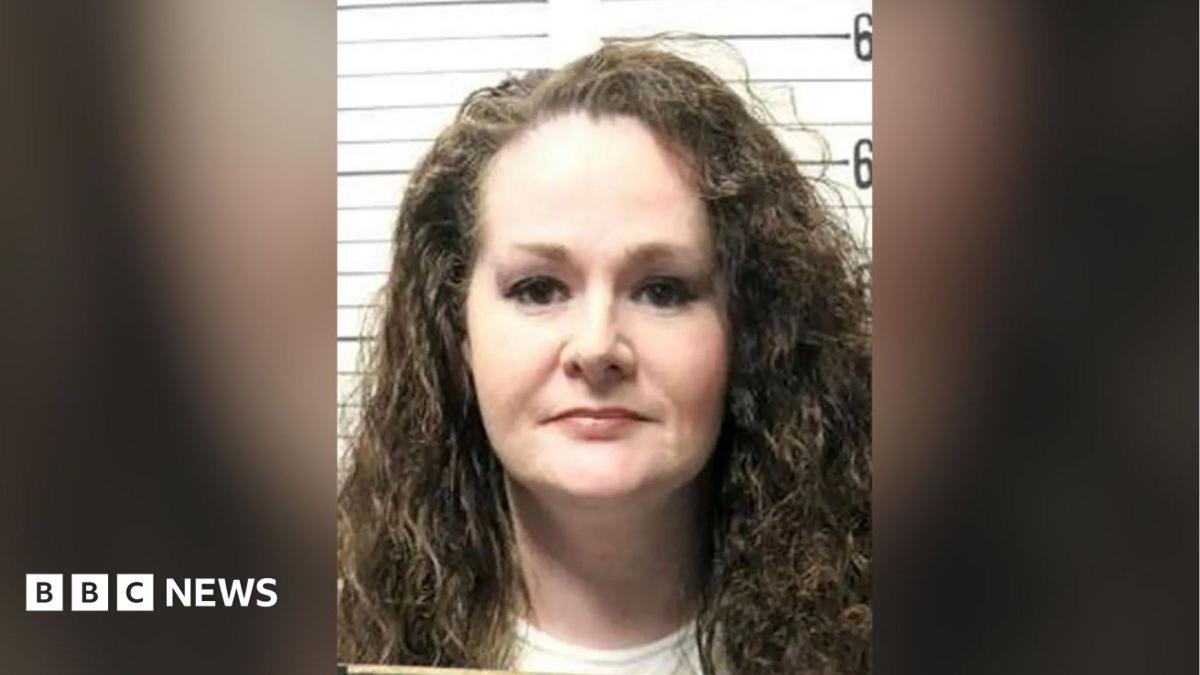
Tennessee prison officials failed to execute a death row inmate this week. The state has now paused all future executions during an independent review.
A Tennessee death row inmate remains hospitalized on a ventilator. Prison staff failed to execute Christa Pike this week. Her lawyers say the procedure was deeply flawed.
Pike is 50 years old. She received two doses of pentobarbital during the attempt. However, these drugs did not end her life.
Meanwhile, the state government paused all future executions for the rest of the year. Governor Bill Lee ordered an independent review of the event. Officials must now explain how the medical process went wrong.
Why this matters
This case highlights the growing debate over lethal injection protocols. Many states now struggle to obtain reliable execution drugs. This often leads to experimental methods or medical errors.
Also, the incident raises legal questions about the Eighth Amendment. This part of the Constitution bans cruel and unusual punishment. Lawyers for inmates often use such failures to challenge the death penalty itself.
Finally, the medical complexity of these procedures requires extreme precision. Medical professionals frequently refuse to participate in executions due to their ethical oath. This forces untrained prison staff to perform complex medical tasks under pressure.
The failed procedure
Lawyers for Pike claim the execution team struggled to place intravenous lines. The staff used at least seven needles on her. One needle even bent during the process.
After that, Pike endured significant suffering. Her legal team stated she cried and whimpered throughout the failed attempt. She also offered guidance to staff on where to place the needles.
Next, medical experts weighed in on the situation. Dr. Joel Zivot noted that the drug doses were high enough to cause death. He concluded the drugs likely never entered her bloodstream correctly.
How we got here
- 1996: A court sentenced Christa Pike to death for the murder of Colleen Slemmer.
- September 2026: Pike’s lawyers warned that her health conditions could complicate any lethal injection.
- Wednesday: Prison officials attempted the lethal injection procedure using two doses of pentobarbital.
- Thursday: Lawyers confirmed Pike was unconscious and on a ventilator at a local hospital.
- Friday: Pike’s legal team filed an emergency motion to preserve all evidence from the botched attempt.
What happens next
The state must now conduct a full investigation into the failed execution. Officials face pressure to provide transparency about the specific errors made. They have not yet confirmed if they will attempt to execute Pike again.
Also, the court will likely review the request to commute her sentence. Her lawyers argue that a second attempt would be unconstitutional. The ongoing medical treatment will continue as hospital staff work to clear the drugs from her system.
Finally, the pause on executions will remain in effect until the review concludes. Other death row inmates in Tennessee may see their scheduled dates shifted as a result. This high-profile failure changes the landscape for capital punishment in the state.