

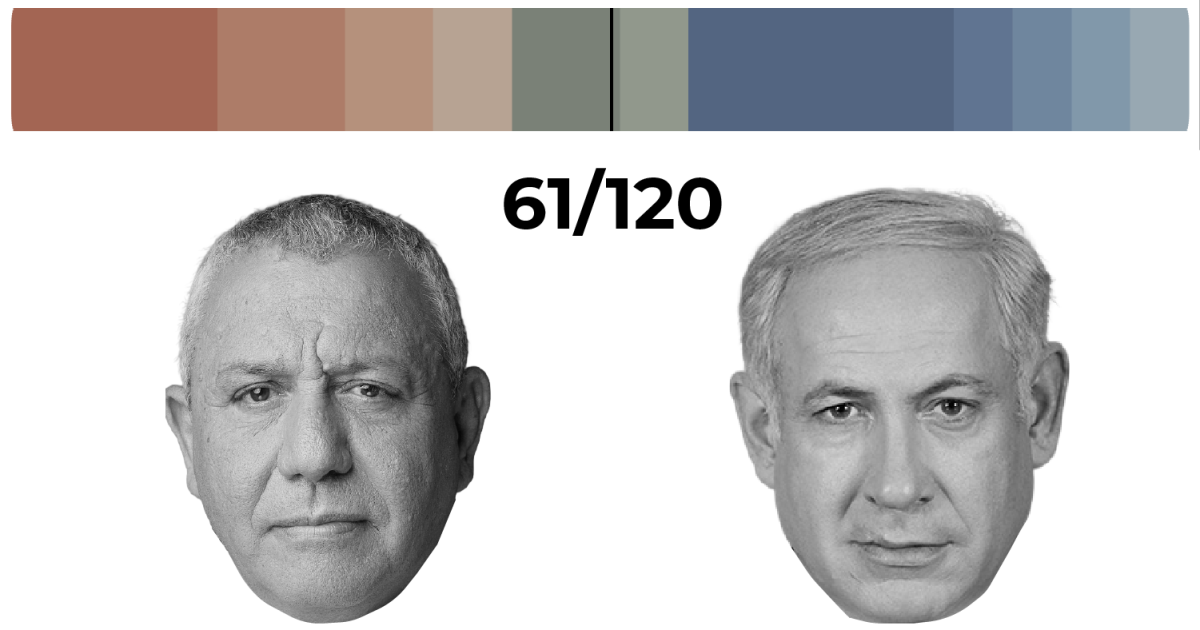
Israel faces political uncertainty after a close election. Leaders must now form a coalition to reach a majority in the Knesset.
Israelis headed to the polls on October 27. However, the election results show no clear winner for the leadership. Every government in the nation's history requires a coalition to function.
Next, political leaders must secure at least 61 seats in the 120-member Knesset. This majority is essential to name a new prime minister. Currently, neither major bloc has reached that required threshold.
Also, initial counts indicate that Likud is the largest party with 27 seats. Benjamin Netanyahu leads a bloc projected to win 54 seats. Gadi Eisenkot’s opposition bloc currently holds 50 seats.
Meanwhile, exit polls show a very tight race between the two sides. Four different polls offer varying predictions on the final seat counts. These numbers highlight the difficulty of forming a stable government.
Furthermore, Arab-led parties such as Ra’am and the Joint List could hold the balance of power. These parties hold between 16 and 19 seats. However, major political figures often refuse to partner with them.
As a result, potential coalitions face significant barriers. Netanyahu’s bloc includes Likud, ultra-Orthodox parties, and far-right groups. Eisenkot’s opposition group consists of several center and left-leaning parties.
Then, the president will offer a mandate to the person most likely to succeed. This individual has 28 days to build a coalition. They may receive an additional 14 days if they need more time.
Finally, failure to form a government could lead to new elections. This occurred several times between 2019 and 2022. Netanyahu serves as the caretaker leader while negotiations continue.
Official election results will arrive on November 4. Coalition talks will likely continue for a long time after that date. The nation waits to see who will lead the next government.