
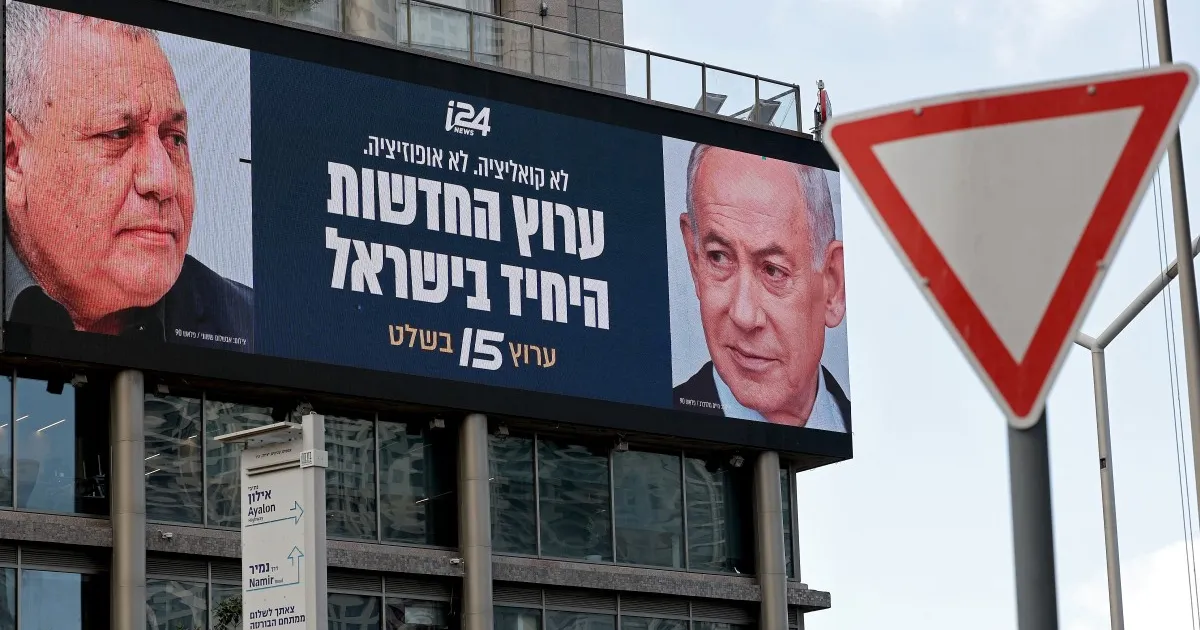
African governments are closely monitoring Israel's upcoming election. The results may impact diplomatic, security, and trade ties across the continent.
Israelis head to the polls on October 27. African leaders from Pretoria to Rabat are watching the results with great interest. They want to see how the new government will handle foreign policy. The upcoming election results could change Israel's current ties across the continent.
Current polls show a very tight race. Prime Minister Benjamin Netanyahu’s Likud party faces a strong opposition bloc. Neither side seems likely to win a clear majority in the Knesset. This likely means long talks to form a new government.
Meanwhile, the war in Gaza has caused deep divides in Africa. Some nations strongly oppose Israel’s military actions. South Africa has even taken Israel to the International Court of Justice. Other countries prefer to keep their security and trade deals intact.
Also, different nations take different paths. Chad recalled its ambassador after the war started. However, Morocco continues to build closer ties with Israel. These two nations recently discussed plans to upgrade their diplomatic missions.
Next, the African Union remains split on this issue. The organization suspended Israel’s observer status pending further review. A new Israeli government might try to fix these strained relationships. Success will depend on the policies of the new leaders.
Furthermore, security deals remain a key part of these relationships. Many African nations seek Israeli technology and training to fight armed groups. The Democratic Republic of the Congo recently held talks to expand such cooperation.
Still, public opinion often creates a hurdle for these governments. Israel’s recognition of Somaliland sparked massive protests across the region. Many people view such moves as a threat to national sovereignty.
Finally, experts believe that trade and agriculture will stay important. Israel continues to offer technical expertise in water and health sectors. Yet, balancing these commercial interests with public pressure remains a difficult task for many African leaders.