

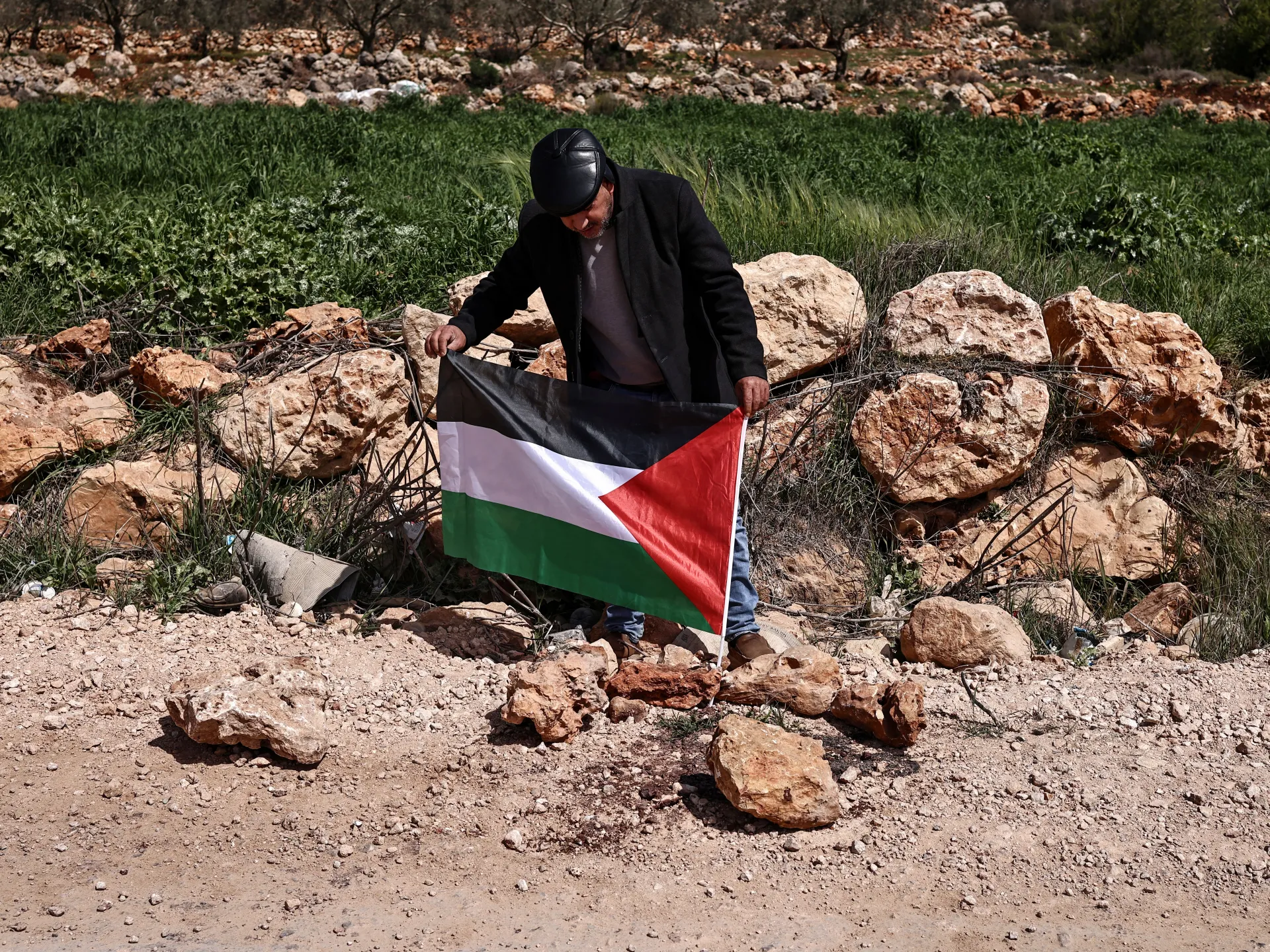
A coalition of Western nations has condemned Israel’s move to expand the E1 settlement project, warning that the construction threatens the future of a contiguous Palestinian state.
A coalition of Western nations, including the United Kingdom, France, Germany, Italy, the Netherlands, Canada, and Norway, has issued a formal rebuke regarding recent Israeli initiatives to expand settlement activity in the occupied West Bank. The controversy centers on the E1 settlement project, a development plan that involves opening construction tenders for over 1,200 housing units. These nations characterized the move as unacceptable, arguing that it poses a direct threat to the territorial integrity and future viability of Palestinian territories.
The joint statement from these countries emphasized the potential for severe legal and reputational repercussions for any entities participating in the expansion. nal bloc underscored their growing frustration with the continued development of settlements in the region. The signatories warned that such actions not only jeopardize long-term peace prospects but also significantly diminish Israel’s standing within the global community.
Beyond the European and North American coalition, regional leaders have voiced strong opposition to the expansion. The Egyptian Foreign Ministry released a statement expressing total rejection of what it termed attempts to solidify the status quo through illegal land development. Egypt has called upon the broader international community to move past rhetoric and implement concrete measures to halt these activities, which they view as clear violations of international consensus.
Malaysian Prime Minister Anwar Ibrahim similarly utilized public platforms to express his condemnation. He argued that the advancement of the E1 project effectively eliminates the possibility of a contiguous, sovereign Palestinian homeland. His remarks highlighted a perception that Israel has moved away from diplomatic engagement, choosing instead to prioritize unilateral physical changes to the landscape that make a two-state solution increasingly difficult to visualize or achieve.
The E1 project is particularly contentious due to its strategic location and the geographic impact it would have on the West Bank. The proposed development, which aims to include at least 3,400 units, is designed to bridge the gap between occupied East Jerusalem and the existing Maale Adumim settlement block. ely bisect the West Bank, separating the northern and southern portions of the territory.
This severance would also permanently disconnect the West Bank from East Jerusalem, a city that Palestinians have long identified as the essential capital for their future state. The final approval for these plans, granted ant achievement for their territorial objectives. However, the international community continues to reiterate that all settlements in the occupied territories are illegal under international law, a stance that remains a cornerstone of diplomatic discourse on the conflict.
The acceleration of settlement development coincides with a period of heightened regional instability and increased violence. Humanitarian organizations, including various United Nations bodies, have reported a surge in the forced displacement of Palestinians throughout the West Bank. These reports indicate that the expansion of settler infrastructure is often accompanied for local communities.
Analysts have suggested that the current push to fast-track these construction projects may be linked to domestic political pressures, specifically the upcoming elections scheduled for October. As the physical landscape of the West Bank undergoes rapid transformation, rights groups continue to warn that dozens of Palestinian communities face the risk of total displacement. The mounting pressure from the international community reflects a desperate attempt to curb these developments before the window for a negotiated political settlement closes entirely.