

Mykhailo Fedorov, Ukraine’s former defense minister, has sparked a heated debate by calling for presidential elections, challenging the current wartime governance model.
The Ukrainian political landscape has been shaken fense minister. Despite his relatively short tenure in the role, the 35-year-old technocrat has sparked a significant national conversation n. Fedorov, who gained recognition for his focus on technological innovation and logistical reform, argued that the prolonged nature of the conflict necessitates a re-evaluation of how the state functions under sustained wartime conditions.
In a detailed public statement, Fedorov emphasized that the democratic process should not be held hostage istration: how should a state continue to operate if the conflict persists for years? such as former foreign minister Dmytro Kuleba, who have suggested that the current political model, established in 2019, may be suffering from emotional exhaustion and institutional stagnation.
Fedorov’s emergence as a potential presidential candidate comes at a time when public sentiment toward the existing administration is shifting. Recent polling data indicates that the former defense minister enjoys a high level of public trust, trailing only behind former top general Valerii Zaluzhnyi. While President Zelenskyy remains a significant figure, the data suggests a growing appetite among the electorate for fresh leadership, particularly from individuals viewed as untainted ears.
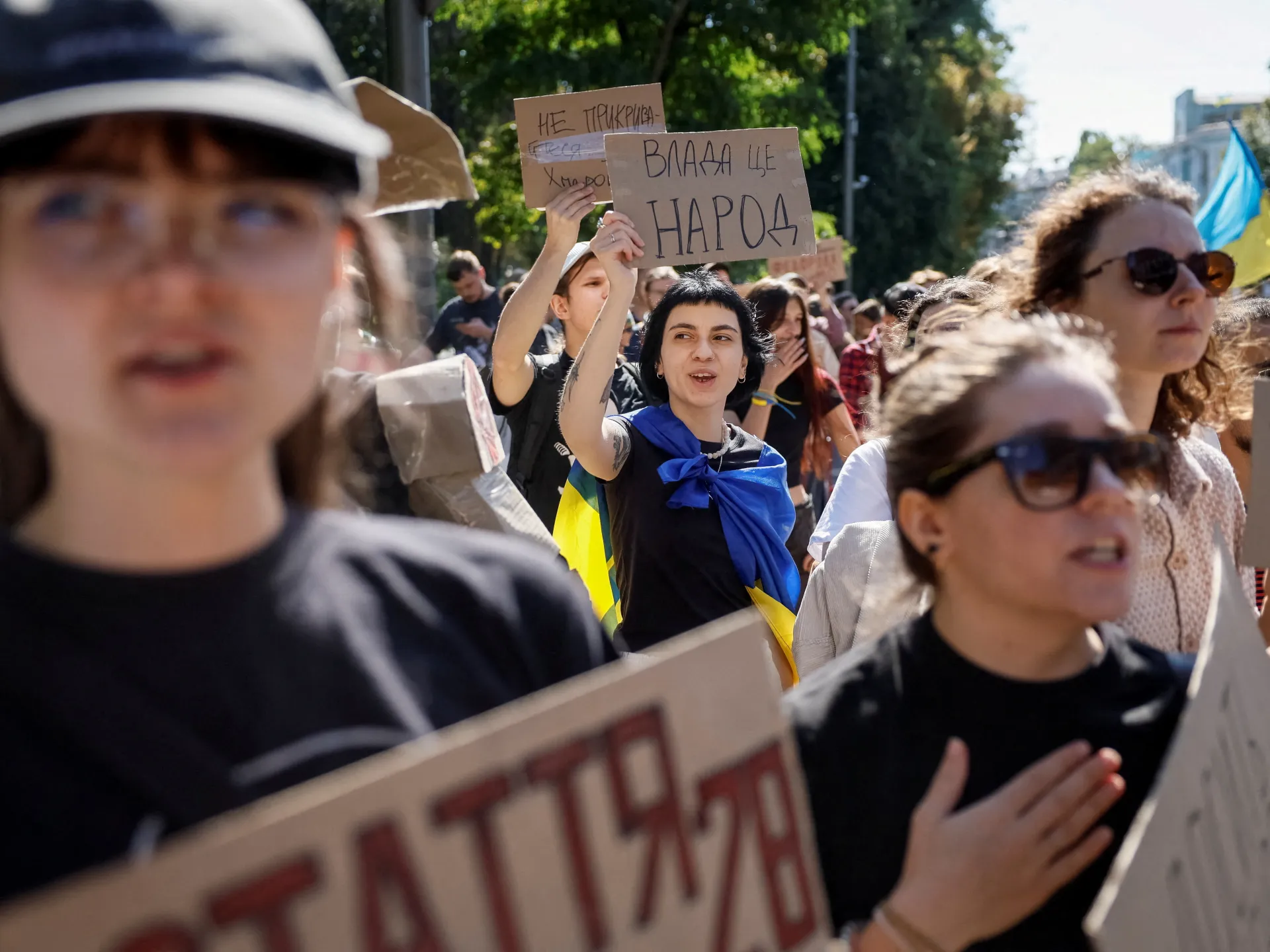
For many citizens, Fedorov represents a clean break from the traditional political class. His work in digital transformation, particularly the implementation of the Diia application, has left a lasting impression on a public weary of entrenched bureaucracy. Supporters often highlight his lack of involvement in political scandals as a key differentiator. However, this popularity has also led to friction with the current administration, manifesting in public demonstrations where supporters have called for his reinstatement and criticized the perceived heavy-handedness of current military leadership.
While the desire for political renewal is evident among segments of the population, analysts warn that the logistical and constitutional hurdles to holding an election during an active conflict are immense. The Ukrainian constitution explicitly prohibits voting during wartime, a measure intended to protect the integrity of the state during periods of existential threat. Furthermore, the security risks associated with organizing public gatherings and campaign events in an environment subject to frequent drone and missile attacks are considered prohibitive
Beyond security, the sheer scale of displacement poses a significant challenge to democratic participation. With millions of citizens living as refugees abroad and a substantial portion of the population serving in the armed forces, ensuring a representative vote would be an unprecedented logistical feat. Scholars argue that without a stable, long-term truce, the conditions required for a fair and safe election simply do not exist, and any attempt to force a vote could potentially play into the hands of hostile actors seeking to destabilize the nation.
The debate over Fedorov’s proposal has exposed deeper fractures within the government’s structure. Critics of the administration point to a growing discreditation of state institutions, suggesting that the president’s reliance on a tightening inner circle has limited his ability to attract effective outsiders. As the government struggles to maintain public confidence, the call for elections acts as a lightning rod for broader frustrations regarding the perceived decline of the "Servant of the People" political project that brought Zelenskyy to power.
However, some observers view Fedorov’s recent actions with skepticism, characterizing them as a form of political immaturity. rgue he may be conflating personal professional setbacks with the urgent, collective needs of the nation. Whether this move marks the beginning of a genuine shift toward a new political era or serves as a premature attempt to capitalize on public discontent remains a point of intense speculation in Kyiv as the nation continues to navigate the complexities of a multi-year conflict.