

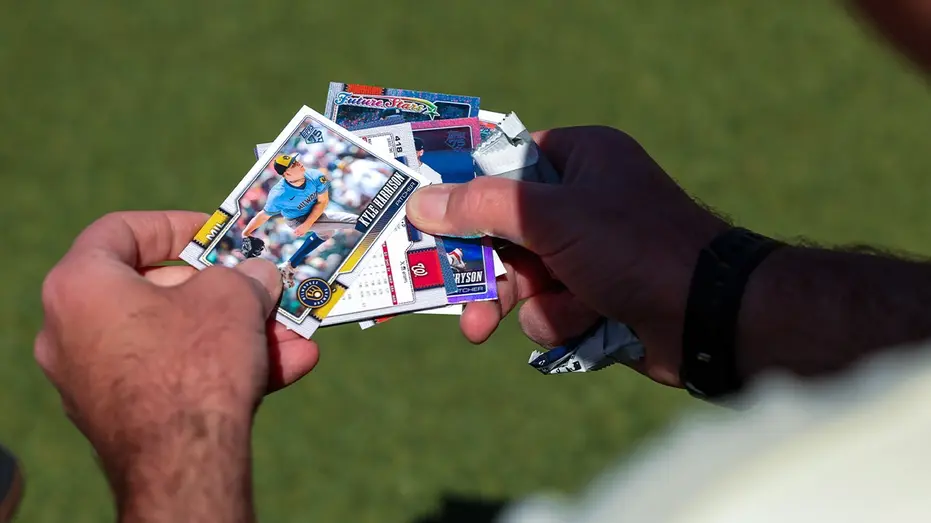
Dick’s Sporting Goods is launching "Collectors Clubhouse" sections within its flagship "House of Sports" locations to capture the growing sports card market.
Dick’s Sporting Goods, a dominant force in the athletic retail landscape, is making a significant move to capture the surging interest in the sports card market. Traditionally known for its vast inventory of athletic apparel, team sports equipment, and outdoor gear, the company is now pivoting to incorporate a specialized retail experience dubbed "Collectors Clubhouse." This initiative aims to transform the standard shopping visit into a destination for enthusiasts who value rare sports memorabilia as much as they value functional training gear.
This development is set to launch within the company’s "House of Sports" locations—expansive flagship stores that currently feature lifestyle amenities such as batting cages, golf simulators, and indoor rock climbing walls. is effectively bridging the gap between active sports participation and the burgeoning secondary market for trading cards, creating a unique retail hybrid that caters to both athletes and hobbyists.
The retailer is not merely stocking standard trading card packs found at typical hobby shops or big-box retailers. Instead, the company is positioning itself as a serious player in the luxury collectibles space ar signal of this ambition was the company's recent acquisition of the Paul Skenes 2024 Topps Chrome Update MLB Debut Patch autographed rookie card, a purchase that reportedly cost $1.11 million. This investment serves as a cornerstone for the new sections, signaling to the collector community that these retail locations are serious about authenticity and prestige.
Beyond high-profile individual acquisitions, the organization has been actively scouring major industry events, such as the National Sports Collectors Convention, to build a robust inventory. iler is ensuring that its "Collectors Clubhouse" locations are stocked with items that carry significant market weight. This strategy moves the brand away from the traditional "big box" model of mass-market toy sales and into the sophisticated territory of high-end sports investment.
The decision to embed these card collections within "House of Sports" locations reflects a broader trend in retail: the creation of "third places" that encourage customers to linger rather than simply complete a transaction. erate hobby of card collecting, the retailer is attempting to increase "dwell time" within its stores. This environment is designed to cater to families and collectors alike, turning the shopping experience into an event rather than a chore.
This evolution is particularly notable given the current trajectory of the hobby. The sports card market has seen a massive resurgence in recent years, evolving from a niche pastime into a legitimate asset class. As interest continues to climb, retailers are looking for ways to capture the attention of a demographic that spans from young children collecting their favorite players to serious investors looking for the next big "patch autograph." well-positioned to become a primary hub for this growing community.
While some critics might view the expansion as a departure from the company's core mission, it is actually an extension of the sporting lifestyle. For many fans, the connection to their favorite teams is cemented as much lectors Clubhouse" concept acknowledges this emotional connection, providing a physical space for fans to engage with the history and current stars of their favorite leagues in a tangible way.
Ultimately, the move at they view the sports card market not as a passing fad, but as a permanent fixture in the sports retail ecosystem. how consumers access and interact with rare sports memorabilia, potentially setting a new standard for how major retailers approach the collectibles space in the future.