

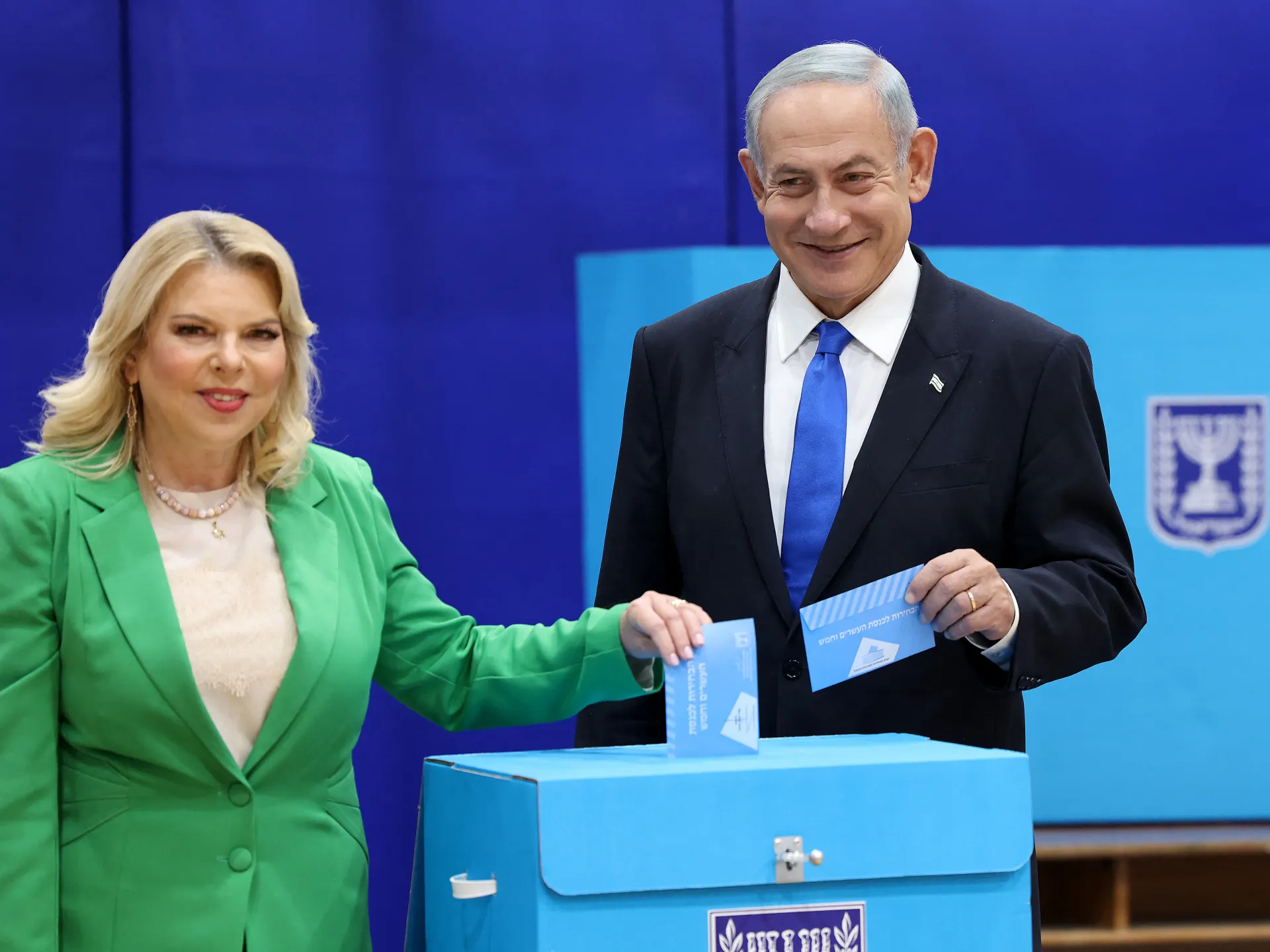
Israel’s Likud Party is conducting primary elections to determine its candidate list, a crucial step that will shape the party's platform for the upcoming general election.
The Likud Party is preparing to hold its internal primaries, a pivotal event that will determine the composition of its candidate list for the upcoming general elections in Israel. These primaries are traditionally among the most contentious and high-stakes occurrences in the country's political calendar. Given the current political climate and the significant challenges facing the administration, these elections serve as a critical juncture for both the party’s leadership and its long-term strategic direction.
Since the historic 1977 election that brought Menachem Begin to power, Likud has fundamentally transformed the Israeli political map, shifting the national discourse firmly toward the right. Throughout its tenure, the party has overseen major military engagements and shifted government policy regarding the occupied West Bank. As the party moves toward these internal votes, the results will not only define the parliamentary list but also signal the party's priorities regarding ongoing conflicts and future governance.
Israel’s electoral system relies on proportional representation, where parties submit a ranked list of candidates to the electorate. The number of seats a party secures in the 120-member Knesset is determined dual candidates on the list is a matter of intense negotiation and strategic maneuvering, as only those at the top of the list have a realistic chance of securing a seat in parliament.
Likud is one of the few political organizations that allows its members to influence the ranking of candidates, though the process is heavily shaped as women, young candidates, and recent immigrants. However, a significant portion of the list is influenced slots open for general competition. This structure ensures that party leadership maintains significant control over the final composition of the legislative team.
The upcoming primaries feature several uncontested spots for key figures, a move designed to consolidate support around the current leadership. Notably, Foreign Minister Gideon Saar and Defence Minister Israel Katz have secured positions on the list without having to face the primary vote. Saar’s inclusion follows the merger of his New Hope party with Likud, while Katz remains a central figure in the current administration’s military and security policy.
Haim Katz, the Likud Constitution Committee Chair, has also been granted a secure spot through a special arrangement. These deals reflect a broader effort to maintain party unity and ensure that loyalists remain in influential positions as the party navigates a complex period of military conflict and diplomatic pressure. The inclusion of these veterans highlights the party’s focus on maintaining a hardline stance on national security and regional policy.
In addition to established political veterans, the party is introducing new figures intended to address modern challenges. Among these is tech entrepreneur and television personality Oren Dobronsky, who has been tapped to lead initiatives concerning artificial intelligence across various sectors of the economy. His inclusion signals an attempt ntroversy due to his past public statements regarding international relations and the conflict in Gaza.
The mixture of seasoned loyalists and new, unconventional candidates underscores the dual nature of Likud’s strategy. While the party seeks to project stability through its experienced ministers, it is also attempting to court voters who prioritize technological advancement and a more aggressive approach to regional security. As the primary date approaches, the focus remains on whether this candidate list will resonate with the broader electorate in the upcoming general election, or if the internal divisions and controversial rhetoric will impact the party’s chances of maintaining its hold on power.