

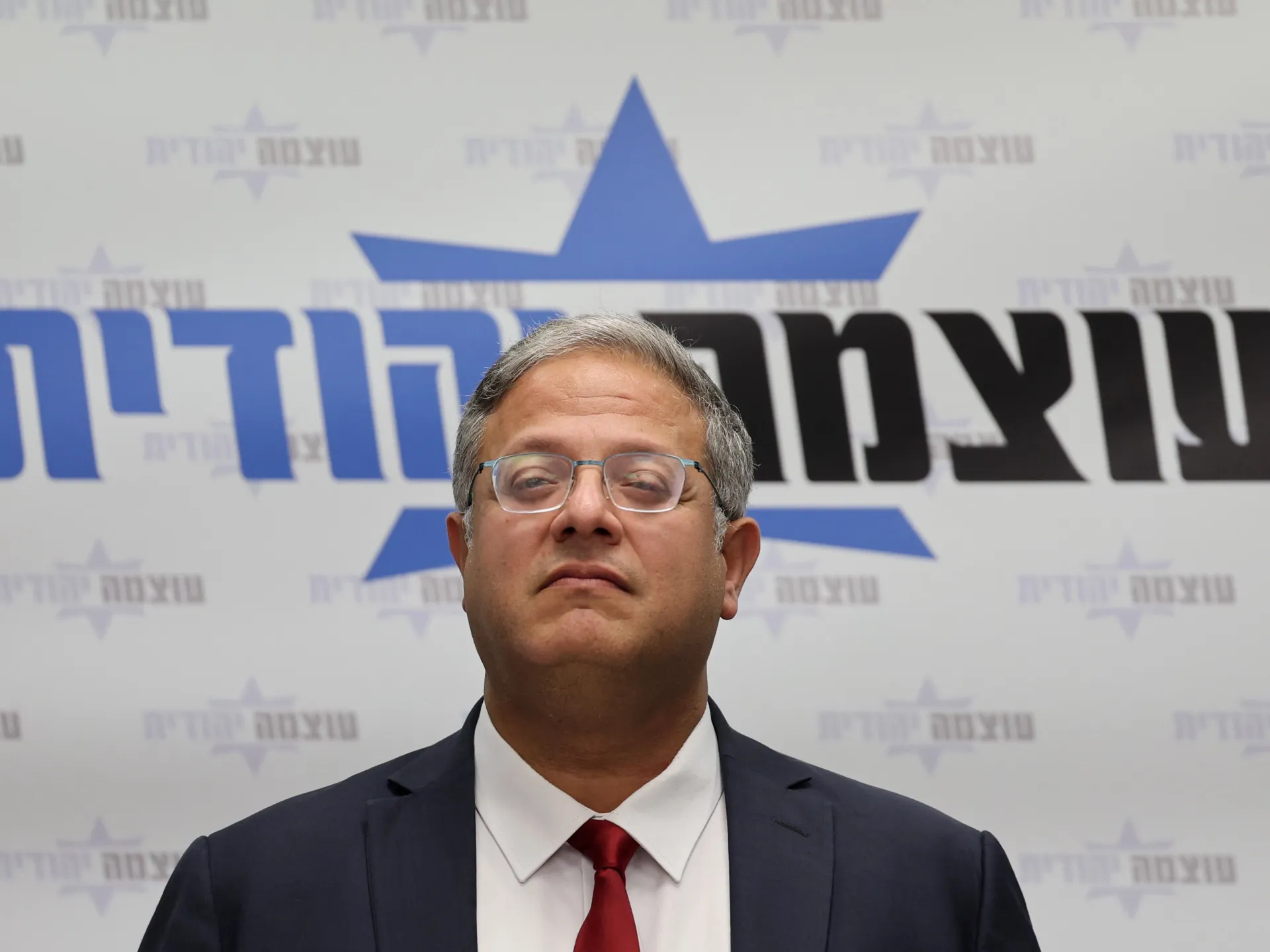
Israeli National Security Minister Itamar Ben-Gvir has sparked controversy by advocating for intensified military strikes in Gaza and the implementation of a death penalty for detainees.
Itamar Ben-Gvir, Israel’s Minister of National Security, has recently attracted significant international attention following the release of a podcast interview in which he articulated a hardline approach to the ongoing conflict in Gaza. During the conversation with a former Israeli hostage, the minister suggested that military forces should implement a policy of targeted killings, specifically proposing the elimination of dozens of Palestinians on a nightly basis. These remarks have drawn sharp criticism from various observers, as they deviate from standard military engagement protocols.
The minister’s comments specifically targeted the current status of military operations, where he expressed disagreement with the government's decision to scale back strikes during the existing ceasefire. Instead, he advocated for an expanded scope of operations that would move beyond engaging active combatants who pose an immediate threat. The rhetoric used during the discussion, which included dehumanizing language, has intensified the debate surrounding the conduct of the war and the long-term strategic goals of the current administration.
Although Itamar Ben-Gvir holds a powerful position within Prime Minister Benjamin Netanyahu’s coalition government, he does not possess direct operational control over the Israeli military. As the head of the ministry overseeing police and prison services, his influence is primarily felt through his seat on the security cabinet, a body responsible for advising and shaping national security strategy. Despite his lack of direct command over combat units, his public stance highlights deep-seated divisions within the Israeli leadership regarding the future of the Gaza Strip.
The minister’s rhetoric is often viewed as a reflection of his political ideology, which has long favored aggressive security measures and the expansion of Israeli settlements. Observers note that as Israel approaches upcoming elections, such statements may be intended to solidify support among his political base. However, the international community continues to monitor these developments closely, noting that such discourse complicates diplomatic efforts to maintain stability in the region.
Beyond the discussion of military strikes, the podcast segment featured a troubling exchange regarding the potential execution of Palestinian detainees. The minister expressed support for implementing a death penalty law for those convicted of deadly attacks in military courts, promising to advocate for the personal involvement of the former hostage in the execution process. This proposal has been met with significant concern al standards and international law.
The conversation further touched upon the future of the Gaza territory, with the minister reiterating his desire for the permanent departure of the Palestinian population and the re-establishment of Israeli settlements. This vision for the region has been frequently criticized d displacement of populations could be classified as ethnic cleansing. Despite the repeated nature of these claims, the minister has remained a vocal proponent of this territorial strategy.
The recent comments at date back to his earlier years in the Kahanist movement. Throughout his tenure as a government minister, he has consistently championed policies designed to increase pressure on Palestinian detainees and has actively sought to redefine the parameters of Israeli security operations. While his actions and words have frequently triggered international condemnation, they have not yet resulted in substantial consequences for his standing within the cabinet.
As the conflict continues to evolve, the impact of such polarizing rhetoric remains a subject of intense scrutiny. With the death toll in Gaza continuing to rise even during periods of relative calm, the discourse surrounding the conduct of the war remains a critical factor in the broader geopolitical landscape. The persistence of these hardline positions continues to pose significant challenges for domestic governance and international diplomatic relations alike.