

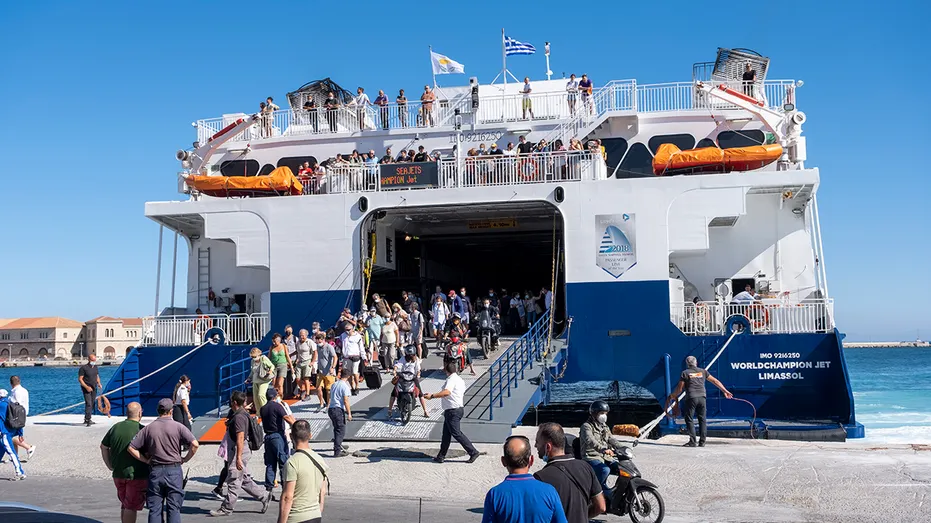
Tourists traveling between Greek islands are reporting increased instances of motion sickness on high-speed ferries, prompting a shift in travel advice.
For many travelers, the allure of Greece lies in its island-hopping culture. High-speed ferries and catamarans have become the preferred method for tourists looking to maximize their time, often reaching speeds between 40 and 50 knots. These vessels offer a convenient way to zip between popular destinations like Athens, Santorini, and the Cyclades. However, recent reports suggest that these rapid transit options are becoming a source of distress for some passengers, leading to widespread social media discussions about the physical toll of these crossings.
The Aegean Sea is home to the seasonal Meltemi winds, which can significantly impact maritime conditions. When these winds pick up, the sea can become quite volatile. For high-speed vessels, which are designed for efficiency rather than stability in heavy seas, the result is often a bumpy and jarring ride. Travelers have frequently taken to online platforms to describe their harrowing experiences, with some accounts detailing widespread nausea and vomiting among passengers, a phenomenon that has led some social media users to informally label these boats as the "vomit comet."
While the "vomit comet" moniker has gained traction online, industry experts suggest that the situation may be perceived as more pervasive than it truly is. With tourism in Greece experiencing a significant surge—evidenced he volume of travelers naturally leads to a higher frequency of reports. Every negative experience is now easily amplified through viral social media posts, potentially creating a skewed perception of how common these rough journeys are.
Travel professionals with decades of experience in the region emphasize that while these incidents are certainly unpleasant for those involved, they remain relatively rare in the grand scheme of Greek tourism. They argue that the vast majority of ferry crossings occur without incident. However, when a traveler only has a limited amount of time for their vacation, even a single day lost to motion sickness or a traumatic transit experience can feel like a significant disruption to their holiday.
For those concerned about the potential for rough seas, travel experts recommend shifting strategy. The primary advice involves working with a knowledgeable travel adviser who can navigate the complexities of Greek logistics. These professionals are often aware of which routes are more prone to turbulence and can suggest alternatives that minimize time on the water. tourists can significantly reduce their risk of encountering sea conditions that lead to discomfort.
Another increasingly popular alternative is to bypass sea travel altogether ni, Mykonos, Crete, Paros, and Milos, are served rry travel during windy seasons. While flying may come with its own set of logistical considerations, it provides a level of consistency that is currently being sought .
The unpredictability of weather is a constant factor in maritime travel, and the Cyclades region remains particularly sensitive to environmental changes. As climate conditions fluctuate, travelers are increasingly encouraged to remain flexible with their itineraries. Weather patterns that seem manageable on land can manifest as dangerous or uncomfortable chop on the open water. Consequently, the ability to pivot—whether ary—has become an essential skill for the modern tourist visiting Greece.
Ultimately, the goal for any traveler is to enjoy the rich history, stunning sunsets, and iconic beaches that define the Greek experience. cordingly, visitors can ensure that their vacation remains a source of positive memories rather than a maritime ordeal. Whether choosing to embrace the ferry experience with precautions or opting for the stability of air travel, informed decision-making remains the best tool for a successful Mediterranean trip.