

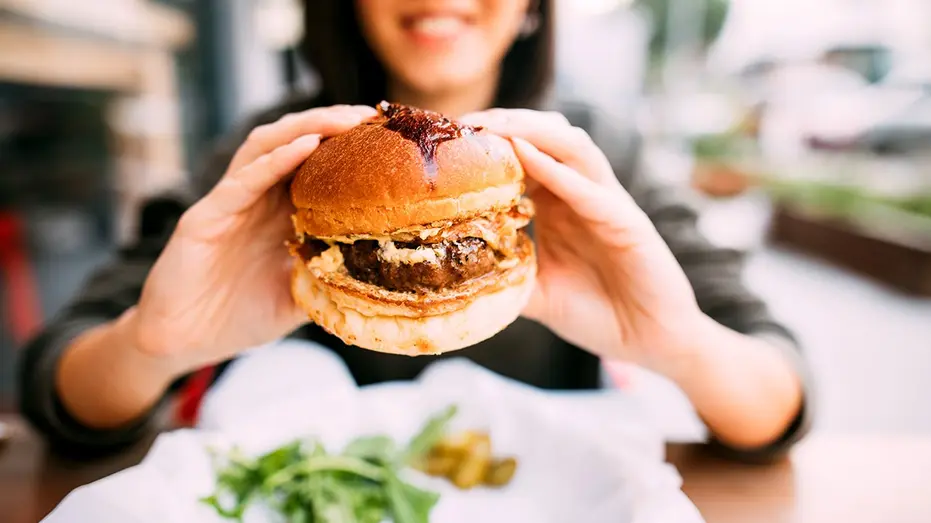
A professional chef reveals the common mistake of soaking buns in grease and offers expert tips for achieving the perfect homemade burger.
Many home cooks attempt to infuse extra flavor into their burgers ctice might seem like a clever way to maximize taste, culinary professionals warn that it is actually counterproductive. Instead of creating a savory masterpiece, this method often results in a soggy, unappealing bun that compromises the entire structural integrity of the sandwich.
To achieve a superior result, experts recommend creating a protective barrier on the bread. but also develop a crisp texture that holds up against the moisture of the meat. This simple step ensures that each bite provides a satisfying contrast between the toasted exterior and the juicy center of the burger.
The ideal approach to toasting involves using a sauté pan over medium heat with a small amount of unsalted butter. re, you ensure even contact with the heat source. This process generally takes about two to three minutes, resulting in a perfectly golden brown finish that is both aesthetically pleasing and structurally sound.
Temperature control is essential during this stage. Using a high-heat grill often leads to burnt edges, which can introduce a bitter taste that clashes with the savory notes of the meat. If you prefer using a grill, it is best to place the buns on the cooler outer edges rather than directly over the intense flames. Choosing a neutral-flavored bread, such as brioche or potato rolls, allows the natural quality of the beef to remain the centerpiece of the dish.
Synchronization is the secret to a professional-quality burger. The time required to toast the buns perfectly aligns with the crucial resting period for the meat. Once a burger is removed from the heat, it must sit undisturbed for several minutes. This resting phase allows the internal juices to redistribute throughout the patty rather than immediately leaking out onto the bread.
e, you ensure that the buns are warm and crisp at the exact moment the meat is ready to be served. This intentional timing prevents the common issue of cold, soggy bread and ensures that the final assembly is as fresh as possible for the diner.
Beyond the bun, the actual preparation of the meat requires precision. One of the most common mistakes home cooks make is pressing down on the patty with a spatula while it cooks. This action forces precious moisture out of the meat, resulting in a dry, lackluster burger. Avoiding this habit is vital for maintaining the juiciness and flavor profile of the beef.
Furthermore, managing the internal temperature is a hallmark of an expert cook. Utilizing a digital thermometer allows for consistent results, ensuring the meat is cooked safely to the desired level of doneness. It is often recommended to pull the burgers from the heat source five degrees before they reach their final target temperature, as the residual heat will continue to cook the meat while it rests. Additionally, letting the meat temper slightly toward room temperature before cooking can help it cook more evenly and retain more of its natural moisture.