

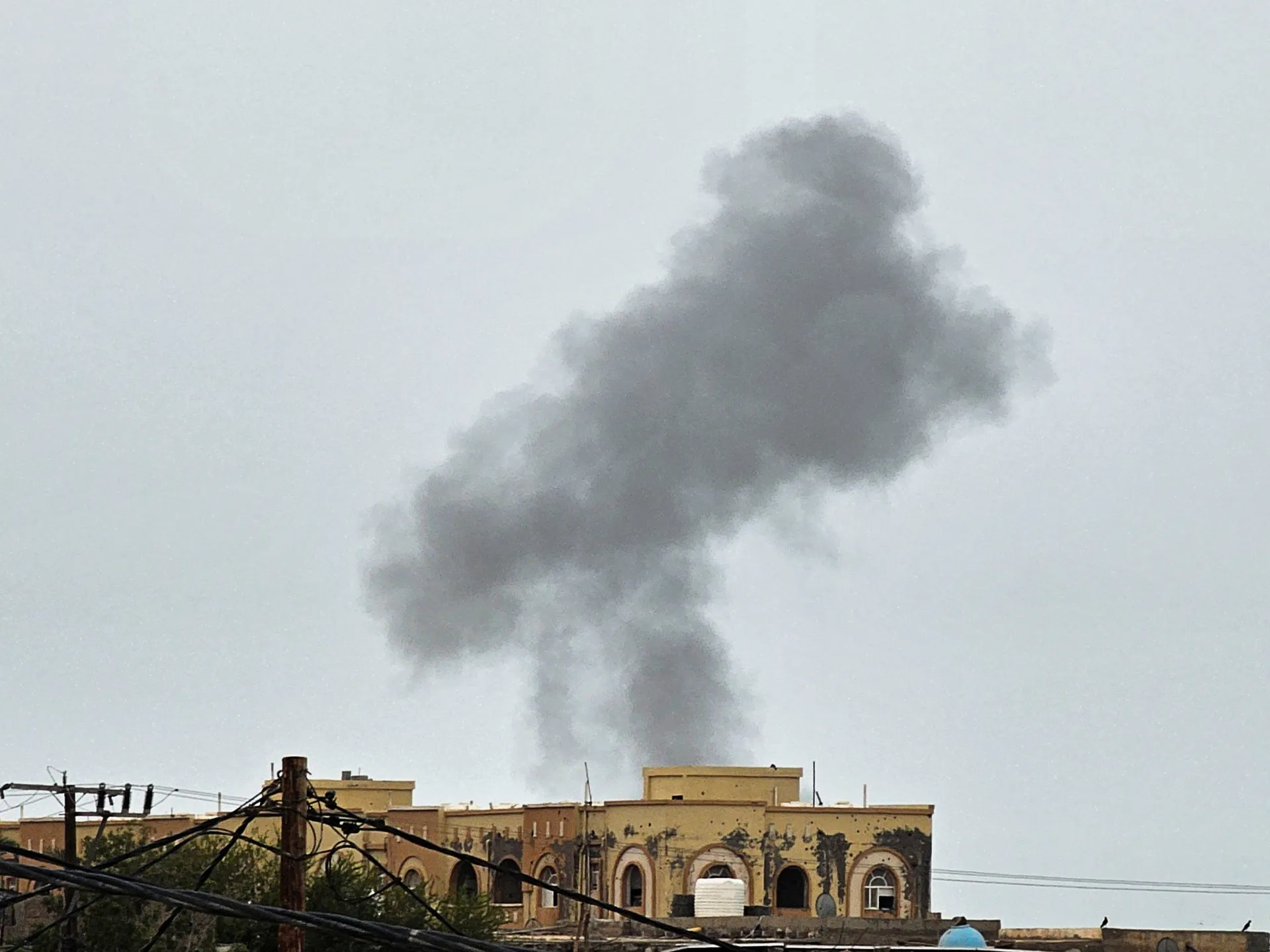
A deadly ballistic missile attack on the port of al-Makha has left several civilians and security personnel dead, marking a sharp rise in regional hostilities.
The internationally recognized government of Yemen has reported a significant escalation in hostilities following a ballistic missile attack on the Red Sea port city of al-Makha. According to official government statements, the Houthi movement launched a barrage of six ballistic missiles on Friday, striking civilian infrastructure and national assets. The assault has resulted in multiple fatalities and widespread damage to local maritime assets, including several fishing boats that were set ablaze during the incident.
While initial government reports confirmed the deaths of at least four civilians, other military sources have provided a higher death toll. Unnamed officials associated with the government forces indicated that the casualty count may reach as high as eight individuals, noting that the victims included two security personnel tasked with safeguarding the port area. The inconsistency in reporting underscores the volatile nature of the situation on the ground as authorities work to assess the full extent of the destruction.
The Houthi movement has publicly acknowledged the operation, framing the strike as a strategic offensive against military assets. In their statement, the group claimed to have targeted buildups of personnel, weaponry, and naval vessels belonging to Saudi-backed forces and what they described as local mercenaries. The group asserted that the missile barrage successfully destroyed several boats and caches of equipment housed within the port facilities.
These conflicting narratives highlight the deep-seated divisions currently plaguing the region. While the government maintains that the strikes were directed at civilian infrastructure, the Houthi offensive represents a clear attempt to disrupt the logistical capabilities of their opponents. This tactical shift toward targeting critical maritime infrastructure suggests a potential return to more intense, large-scale conflict, moving away from the relative lulls that have characterized parts of the long-standing Yemeni civil war in recent months.
The strike in al-Makha occurred simultaneously with broader regional instability. Reports from the Houthi-run SABA news agency indicated that the group also attempted a drone strike against an Aramco facility in the Saudi city of Najran. The Houthis characterized this operation as a retaliatory measure against Saudi military aircraft allegedly operating in the airspace over the Saada governorate in northeastern Yemen.
Although the Houthi reports claimed a successful strike on the Saudi facility, there has been no immediate confirmation from Saudi authorities or Aramco regarding the incident. This follows a similar incident just a day prior, where the Houthis claimed to have deployed two drones against an Aramco refinery in Jazan. These repeated cross-border operations indicate that the conflict in Yemen is increasingly tied to the wider geopolitical tensions currently unfolding across the Middle East.
The violence in Yemen is unfolding against a backdrop of stalled diplomatic efforts between the United States and Iran. As the Houthis emerge as a significant front in regional power struggles, the prospect of a lasting peace remains distant. Recent demands from Iran’s Supreme National Security Council, which include the lifting of sanctions and the withdrawal of US troops, stand in stark contrast to current American policy objectives in the region.
As these regional players remain deadlocked, the people of Yemen continue to bear the brunt of the hostilities. The shift toward attacking energy infrastructure and critical port facilities threatens to further destabilize the nation's already fragile economy. Observers remain concerned that if these escalations continue, the humanitarian impact will be catastrophic, further complicating any future attempts at a negotiated political resolution to the conflict.