

As the UK faces persistent inflation, households are struggling with rising costs in energy, food, and transport, exacerbated by global geopolitical instability.
The United Kingdom is currently navigating a complex economic landscape characterized d a slight cooling in June, dropping to 2.8 percent from 3 percent in May, the reality for households remains challenging. It is important to clarify that a decrease in the rate of inflation does not equate to a decrease in prices; rather, it indicates that the pace at which costs are rising has moderated slightly. Effectively, consumers are paying more for the same basket of goods than they were a year ago, tightening the strain on household budgets across the nation.
Economic forecasts have been significantly disrupted Israel, and Iran. Prior to these events, the Bank of England held more optimistic projections regarding the trajectory of inflation throughout 2026. However, the subsequent volatility has forced a recalibration of these expectations. The central bank now anticipates that inflation may climb further during the latter half of the year, driven largely ces of essential goods and services.
A primary driver of the current inflationary environment is the disruption of critical global supply routes. The closure of the Strait of Hormuz, a vital artery for approximately one-fifth of the world’s oil and liquefied natural gas supplies, has created significant supply chain friction. This bottleneck has had a direct and immediate impact on the UK economy, particularly regarding the cost of transportation and energy. As fuel costs rise, the logistical expenses associated with moving goods across the country increase, which is inevitably passed down to the consumer.
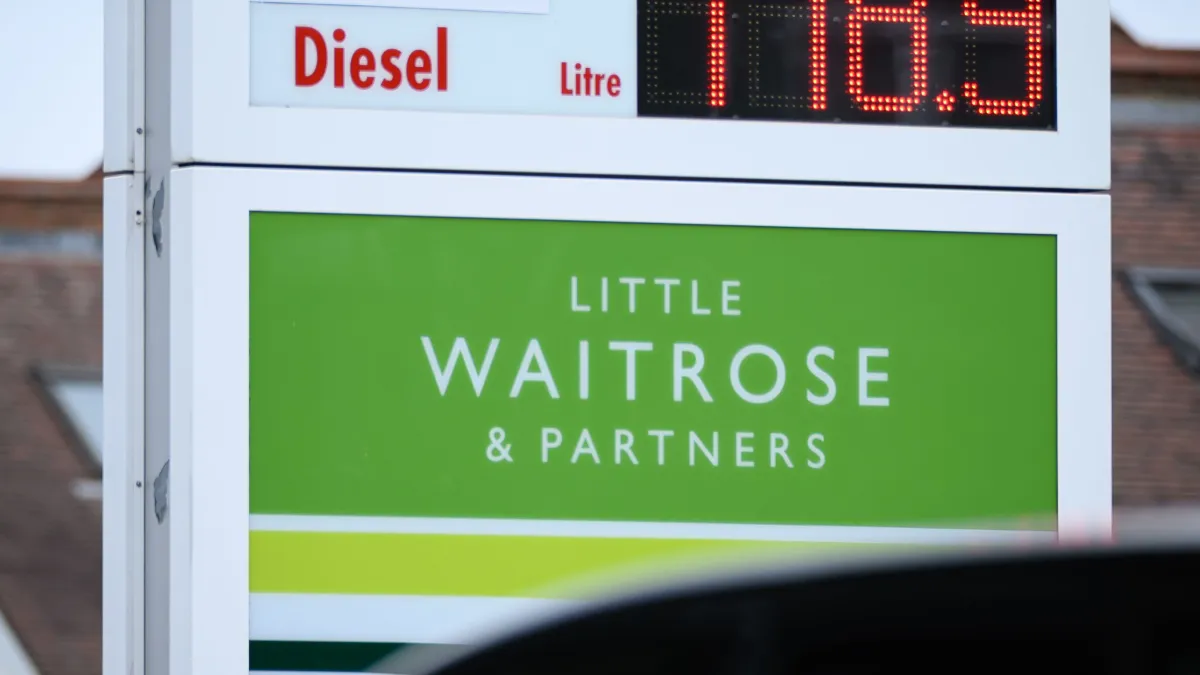
The impact at the pump has been particularly acute, with petrol and diesel prices reaching levels not seen in over three years. Data from the RAC Foundation underscores this trend, showing substantial increases in the cost per litre for both fuels. These rising costs for fossil fuels are not isolated; they permeate the entire economy, influencing everything from the price of groceries to the cost of heating homes. This ripple effect ensures that even households that do not rely heavily on private transport are still feeling the financial squeeze of the energy crisis.
While inflation affects the entire population, the burden is not distributed equally. Economic data reveals a stark divide between the wealthiest and poorest segments of society. The lowest-earning 20 percent of households spend a significantly larger portion of their weekly income on essentials such as housing, heating, and food. When prices for these non-negotiable items rise, these households have virtually no financial cushion to absorb the shock, forcing them to make difficult trade-offs between basic needs.
According to research from the Joseph Rowntree Foundation, the scale of this crisis is historic. Estimates suggest that 7.4 million low-income families are currently struggling to afford essential items, marking the highest number since the organization began tracking cost-of-living data in 2021. For these families, the slight cooling of inflation rates provides little relief, as the cumulative effect of price hikes over the past year has already exhausted their financial resilience.
The financial pressure on British households is exacerbated While food price inflation has shown signs of slowing—with prices in June being 1.7 percent higher than the previous year compared to 2.2 percent in May—the cost of the weekly food shop remains significantly elevated compared to historical norms. Compounding this is the trend in regular real earnings, which adjust standard pay for inflation.
Recent data indicates that real earnings growth has dipped, falling to approximately 0.1 percent following the onset of the conflict in the Middle East. With wage growth essentially flat and the Bank of England predicting that food inflation could climb toward 3.5 percent as supply chain issues persist, the outlook for the average worker remains precarious. As the government explores potential interventions, the challenge remains to balance inflationary control with the need to support a population facing a prolonged period of reduced purchasing power.