

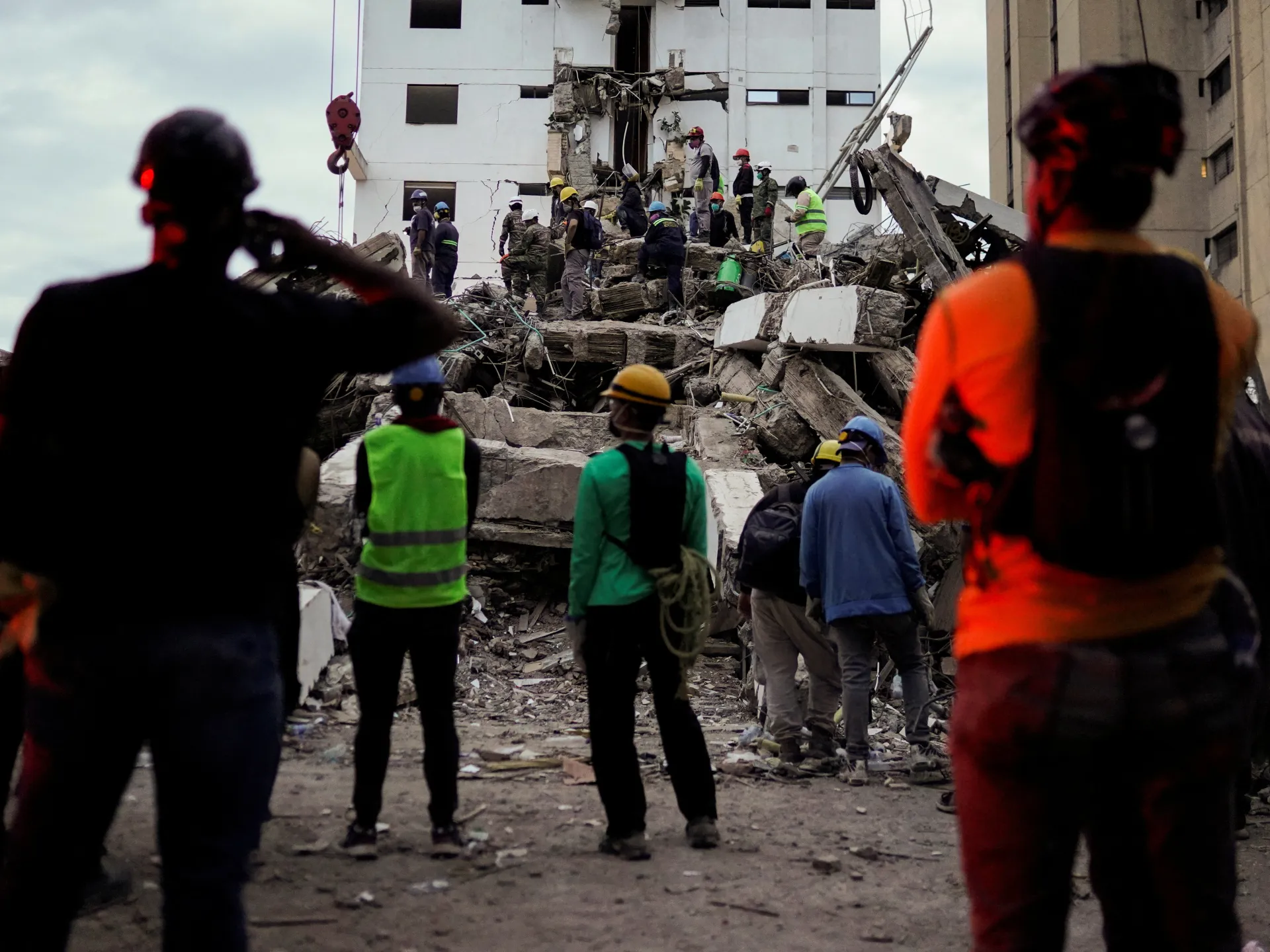
Rescue operations in Colombia have entered a critical final phase as the death toll from the 7.4 magnitude earthquake climbs to 265.
Emergency response teams in Colombia are currently navigating the most difficult phase of their operations as the nation grapples with the aftermath of a massive 7.4 magnitude earthquake. This seismic event, which stands as the most powerful to impact the country in the current century, has left a profound mark on the nation's infrastructure and population. As rescue crews approach the 72-hour threshold—a period widely recognized rvivors is highest—the atmosphere on the ground remains tense and urgent.
The official death toll has climbed to 265, a figure that officials fear may increase as search operations continue through the ruins of thousands of homes. With over 3,500 individuals reported injured and nearly 500 still unaccounted for, the scale of the humanitarian crisis has overwhelmed local capabilities. In the cities of Pereira and Cali, which have reported the highest casualty counts, local authorities have officially transitioned into what they describe as the final phase of active search and rescue, acknowledging that the likelihood of finding survivors diminishes significantly with every passing hour.
Despite the grim statistics, hope remains a powerful force on the ground. In Pereira, rescue workers have centered their efforts on a collapsed bakery where vibrations suggest a survivor may still be trapped. Relatives of the missing, including the family of Pablo Loaiza, have maintained a harrowing vigil outside the site. Reports indicate that rescuers have detected potential signs of life, with the trapped individual purportedly responding to signals from the surface. Such instances have provided a fragile beacon of hope for families waiting for news.
The response from the Colombian public has been swift and deeply personal. Citizens across the country have mobilized to support the affected regions, organizing supply chains to deliver water, food, and essential medical resources. Long queues have formed at blood donation centers as people look for ways to contribute to the survival of the wounded. In Cali, volunteer rescuers and professional teams are working in shifts, periodically enforcing complete silence across debris sites to listen for faint signals or voices beneath the wreckage, a process that has already resulted in several successful extractions.
The earthquake has presented an immediate and severe test for President Abelardo de La Espriella, who assumed office only days before the disaster struck. In response to the widespread destruction, the President has declared a formal economic emergency, a necessary step to facilitate the mobilization of resources for rebuilding schools, hospitals, and critical infrastructure. The government has pledged to create an emergency fund aimed at addressing the long-term needs of the thousands of families displaced
This disaster also highlights a complex political landscape. Analysts have pointed out that the government's current response is being heavily scrutinized given the President's previous campaign promises to curtail public spending and potentially reduce funding for state risk management units. As the administration works to manage the immediate catastrophe, it is also navigating the long-term implications of these fiscal policies. The efficacy of the state's response remains a focal point for both domestic observers and international observers monitoring the region's stability.
As the search transitions from immediate rescue to recovery, the coordination of efforts has become increasingly vital. In areas like the Torres del Limonar complex, organized bucket brigades consisting of soldiers, municipal employees, and volunteers have replaced the initial, more chaotic efforts. The implementation of stricter site access protocols, enforced has allowed specialized sensors to operate with higher precision, improving the ability of crews to detect movement within the massive mounds of debris.
The path forward for Colombia involves not only the recovery of the missing but also a monumental reconstruction effort that will span years. As the search operations wind down, the focus will inevitably shift toward housing the displaced and restoring the essential services required for daily life in the affected provinces. The resilience shown e recovery process, but the magnitude of the destruction ensures that the recovery will remain a defining challenge for the nation for the foreseeable future.