

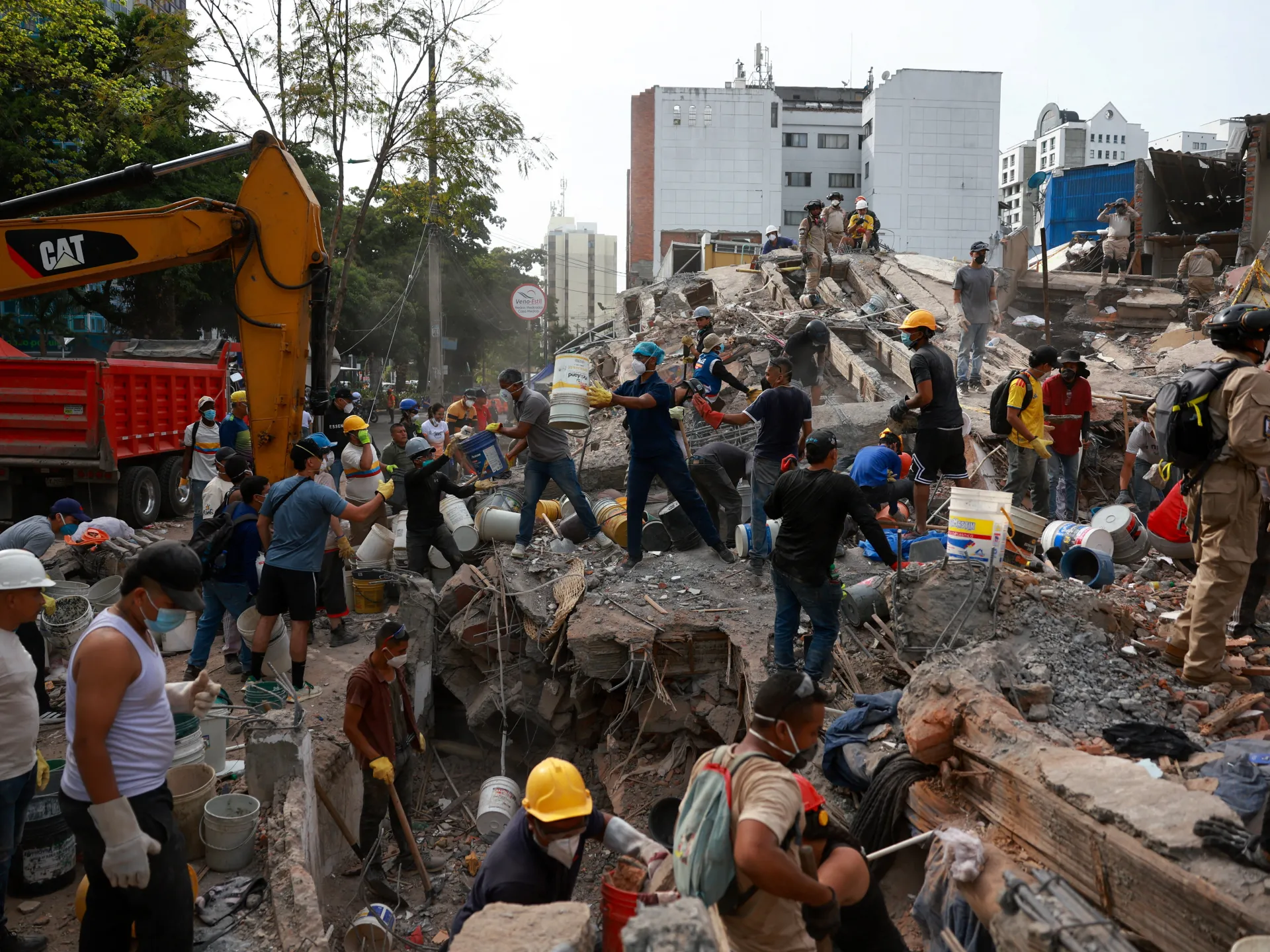
Colombia has entered three days of national mourning after a powerful 7.4 magnitude earthquake claimed over 200 lives and left thousands missing.
The Republic of Colombia has officially entered a three-day period of national mourning following a devastating magnitude 7.4 earthquake that struck the western region earlier this week. This seismic event, which stands as the most powerful tremor to impact the nation in over a century, has resulted in a staggering loss of life, with current government figures confirming more than 200 fatalities. In a gesture of national solidarity, the government has mandated that flags be lowered to half-staff at all state buildings and diplomatic missions worldwide, honoring those who perished in the catastrophe.
The impact of the earthquake has been widespread, causing extensive structural damage, flattening entire city blocks, and rendering critical infrastructure, including major roadways, impassable. Since the initial shock, the region has been rattled hindered the stability of damaged structures. The scale of the destruction has presented an immediate and severe challenge to the administration of President Abelardo de la Espriella, who assumed office only days before the disaster occurred.
As the disaster enters its third day, search and rescue teams are engaged in a desperate race against time. While official reports indicate that 195 people remain missing, independent civilian databases suggest that the number of unaccounted individuals could be significantly higher, potentially reaching 4,000. Emergency responders, including firefighters, specialized search teams, and thousands of volunteers, are working around the clock in cities such as Cali, Pereira, Manizales, and Quibdo to locate survivors trapped beneath the debris.
The search efforts remain precarious, as the first 72 hours following a building collapse are widely regarded as the most critical window for survival. Rescuers in devastated urban centers are utilizing heavy machinery, cranes, and trained search dogs to navigate piles of rubble where apartment complexes and homes once stood. In many instances, neighbors and local volunteers have formed human chains to clear wreckage lp from those buried beneath the concrete.
The severity of the earthquake’s impact is compounded which is situated near the epicenter. As one of the most impoverished areas of the country, Choco presents unique logistical hurdles, including limited road access and the presence of armed groups, which complicate the delivery of humanitarian aid. The government is currently assessing the full scope of the tragedy, but communication gaps in these remote areas mean that the true extent of the damage remains unknown.
The national healthcare system is also facing unprecedented pressure, with several medical facilities suffering direct structural damage. At the Hospital Universitario del Valle in Cali, portions of the building collapsed, forcing medical staff to relocate patients to parking lots and open-air areas to continue providing life-saving care. In response to the crisis, the civilian population has mobilized, with thousands of citizens donating blood, food, and water to aid those displaced edged to provide rent subsidies to families who have lost their homes.
The global community has moved quickly to support Colombia’s recovery efforts. The United States has committed $15.5 million in emergency assistance and is deploying specialized urban search-and-rescue teams from Virginia and California to bolster local efforts. Similarly, the European Union has pledged $2.3 million in support, while regional neighbors, including Mexico and El Salvador, have offered significant contributions of medical personnel, search workers, and over 100 tonnes of essential supplies.
Despite the influx of international aid, the primary focus remains the immediate recovery of survivors. The government continues to coordinate the distribution of resources while balancing the urgent needs of those in temporary shelters with the long-term task of rebuilding the nation’s infrastructure. As the period of mourning concludes, the focus will likely shift toward the massive logistical undertaking of reconstruction and the complex task of supporting the thousands of citizens whose lives have been fundamentally altered