

A series of intense overnight drone strikes has resulted in four deaths across Russia and Ukraine, marking a significant escalation in the ongoing regional conflict.
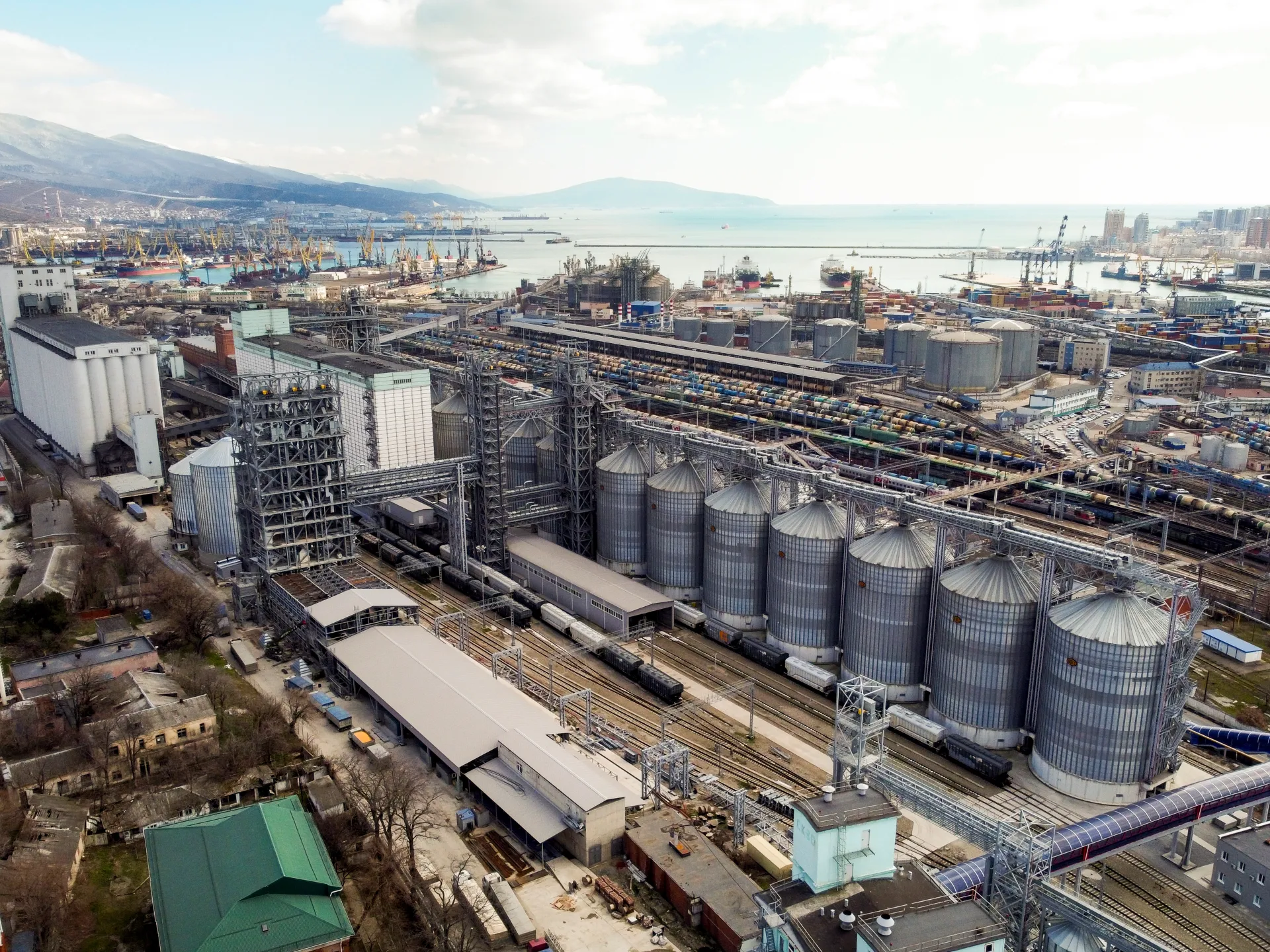
The southern Russian port city of Novorossiysk faced a significant aerial assault during an overnight campaign that left local infrastructure and civilian areas devastated. According to regional officials, Ukrainian forces utilized a combination of jet-powered drones, missiles, and unmanned naval systems to target the strategic hub. The attack specifically focused on Russian naval positions, seaport infrastructure, and piers, resulting in the tragic death of a child and injuries to several others, including a second child and an adult.
Beyond the immediate human toll, the economic impact of the strike is substantial. Novorossiysk serves as a critical artery for Russian domestic grain exports. Reports from Demetra Holding, the owner of the local grain terminal, confirmed that the facility sustained physical damage during the barrage. Local authorities characterized the night as horrific, noting that dozens of residential buildings were damaged ing drone debris claimed the life of an additional civilian.
The recent offensive in Novorossiysk highlights a broader shift in Ukraine’s military strategy. Analysts suggest that the campaign has evolved beyond traditional targeting of oil refineries and logistics centers to focus more heavily on the Russian naval presence in the Black Sea and the Sea of Azov. This tactical pivot mirrors previous efforts to disrupt Russian supply chains and economic stability
Recent intelligence indicates that the pressure on Russian infrastructure is widespread. For instance, the Orsknefteorgsintez oil refinery in the Orenburg region was forced to cease processing operations following a fire triggered retail logistics centers to key fuel depots and ports—Ukraine appears to be attempting to strain Russia’s defensive capabilities and economic output simultaneously.
In response to the intensifying pressure on its logistics and energy hubs, Russian forces have launched a series of retaliatory strikes across Ukraine. The city of Kherson bore the brunt of these attacks, where a Russian Shahed drone strike resulted in the deaths of two individuals and left several others wounded, including an elderly woman. The ongoing aerial bombardment continues to threaten civilian life in major urban centers.
Further east, the city of Zaporizhzhia faced significant disruption after a Russian attack ignited a massive blaze at a local shopping mall. The strike caused widespread power outages, leaving approximately 1,200 consumers without electricity. Meanwhile, in Odesa, Russia targeted port infrastructure, claiming that the facility was being utilized to supply the Ukrainian military. As the conflict drags on, Moscow has also reported tactical gains, claiming control over the village of Vodiane in the Kharkiv region.
Amidst the escalating violence, diplomatic efforts remain largely frozen. President Volodymyr Zelenskyy recently indicated that Ukraine has presented proposals to American negotiators aimed at finding a path to end the conflict, which has persisted since February 2022. These discussions follow requests from U.S. leadership for strategies to stabilize the region. However, the dialogue has been complicated
The path to a durable settlement remains narrow. Russia maintains that any peace agreement must include the cession of four regions currently claimed , Ukraine continues to advocate for a ceasefire and a restoration of territorial integrity. With both sides intensifying their military efforts, the prospects for a near-term diplomatic breakthrough appear increasingly remote as the war enters a new phase of attrition.