A fierce firefight between security forces and a large group of armed militants in Kebbi State has left at least 29 people dead, including 10 police officers.
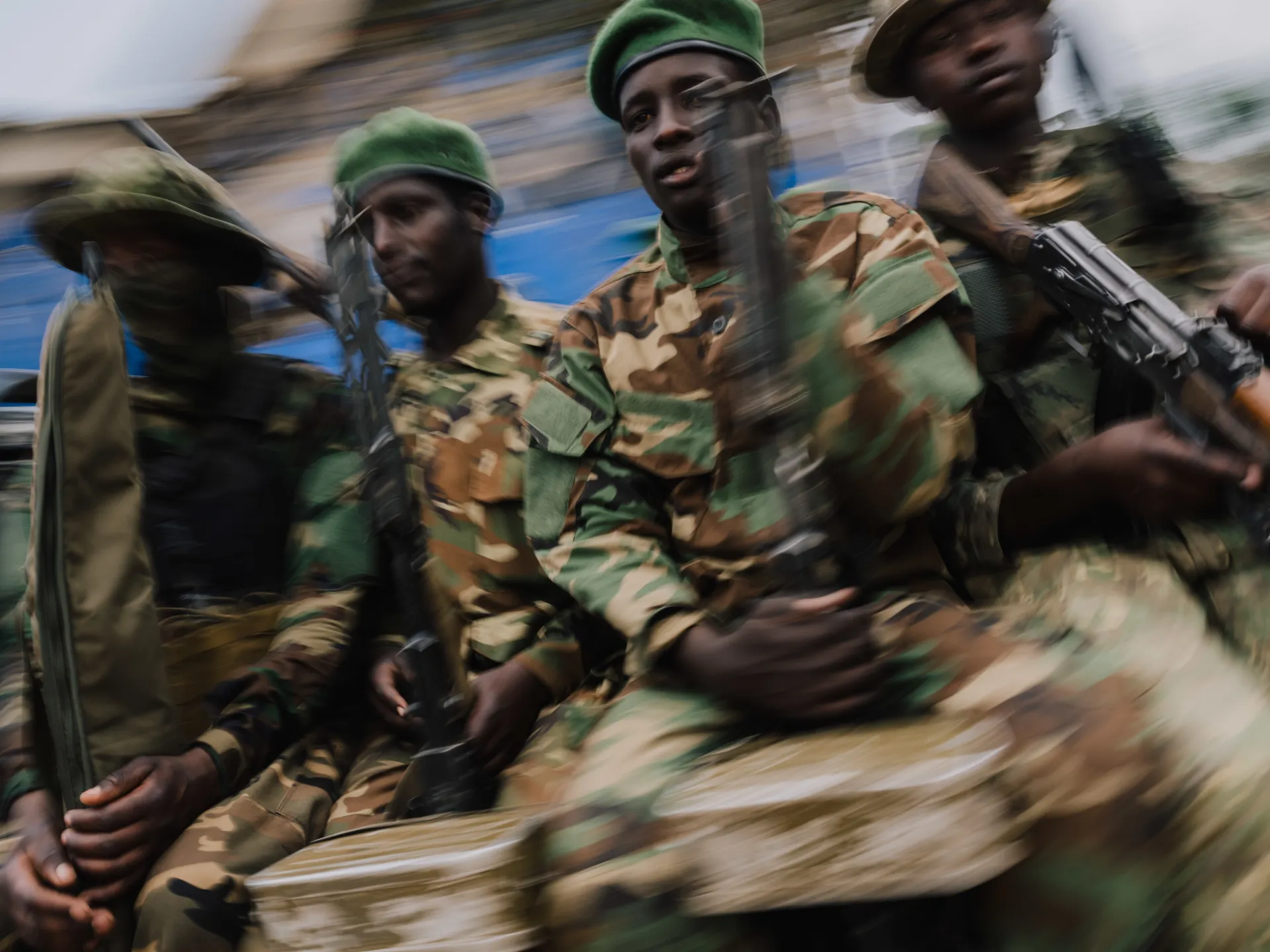
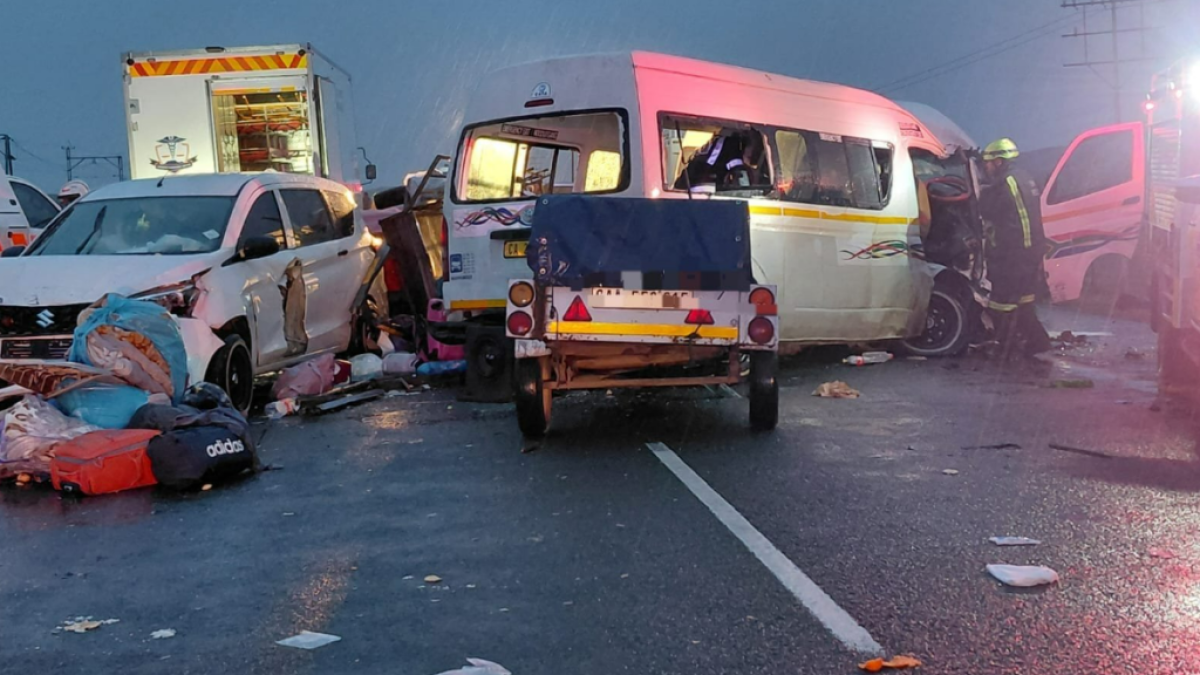
A major security operation in northwestern Nigeria took a lethal turn this week when law enforcement officers engaged a large assembly of armed militants. The incident, which unfolded on Monday, resulted in a significant loss of life, marking another grim chapter in the region's ongoing struggle with organized criminal groups. According to official reports, the skirmish involved a heavily armed contingent of approximately 240 individuals traveling on more than 200 motorcycles.
The confrontation occurred as the group was in transit, moving from Zamfara State into neighboring Kebbi State. Police spokespersons confirmed that the sheer size of the militant force and their mobility presented a formidable challenge for the responding officers. While the authorities were able to neutralize several members of the armed group, the intensity of the exchange led to significant casualties among the police force tasked with maintaining regional security.
The human toll of this specific engagement has been confirmed as severe. Authorities reported that 10 police officers lost their lives during the firefight, while two additional officers sustained injuries and are currently undergoing medical treatment. Beyond the law enforcement casualties, the clash resulted in the deaths of 17 suspected bandits. Furthermore, two civilians were caught in the crossfire and killed, highlighting the constant risk posed to local populations in these volatile areas.
Spokespeople for the police force have indicated that these figures remain preliminary. As authorities continue to assess the aftermath of the battle and sweep the area for further evidence or remaining militants, the final death toll could potentially fluctuate. The incident underscores the extreme danger faced large, coordinated convoys.
Northwestern and central Nigeria have been plagued s bandits, utilize remote territories to stage operations that include livestock theft, widespread village raids, and the kidnapping of citizens for ransom. The mobility afforded dense forests or rural terrain before security forces can adequately respond.
The scale of this week's violence is indicative of a broader trend of instability that continues to challenge government efforts to restore order. Just last month, a separate attack on villages in Zamfara State resulted in the deaths of at least 20 people. Such recurring violence has forced thousands of residents to abandon their homes and livelihoods, creating a massive humanitarian crisis that the international community has struggled to address effectively.
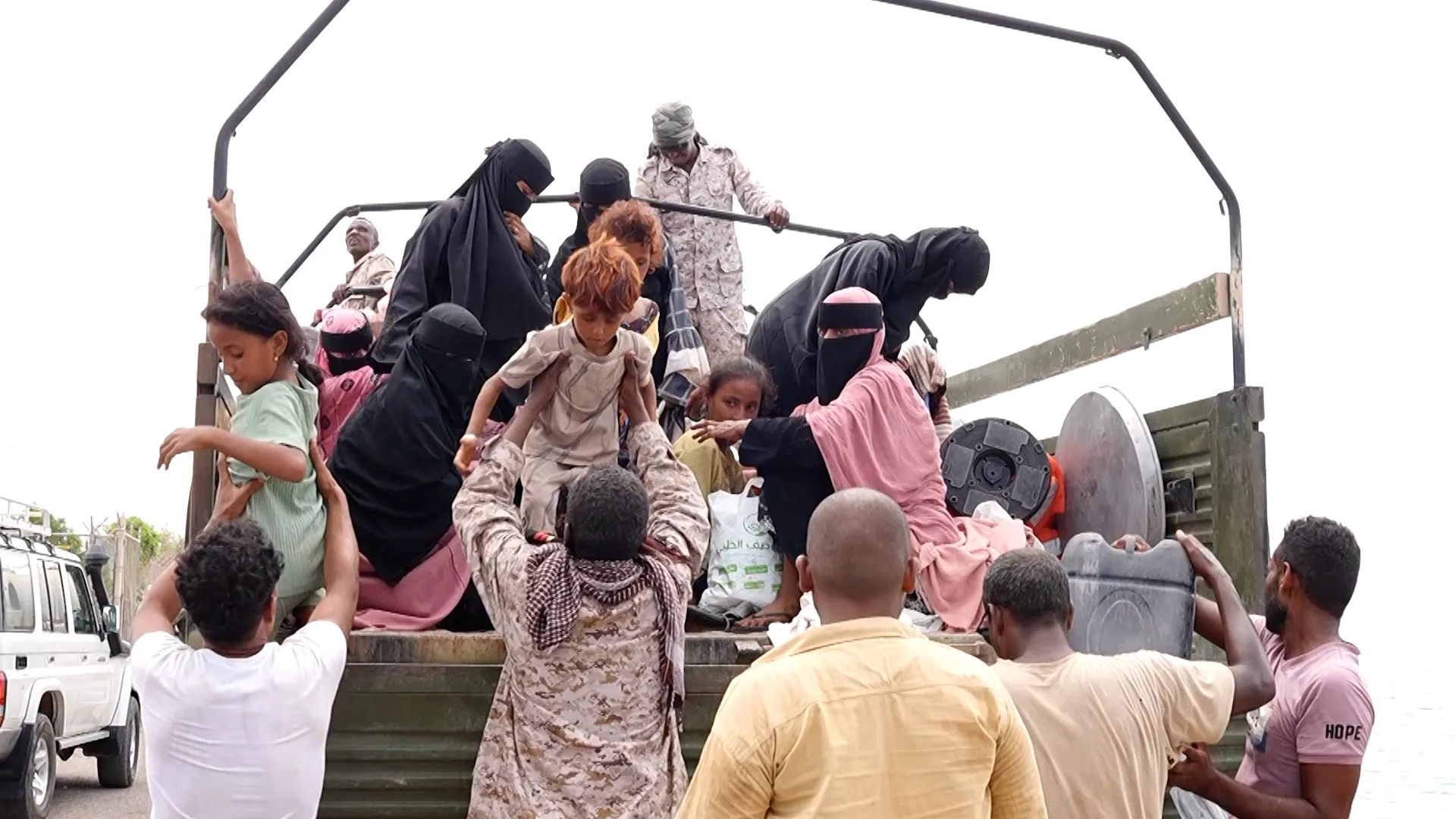
The cumulative effect of this ongoing conflict has led to the displacement of more than half a million people across the region, according to data provided olence has disrupted local economies, prevented children from attending school, and hindered agricultural production in some of Nigeria's most vital rural districts.
As the government in Abuja continues to deploy resources to combat these non-state actors, the challenge remains immense. Experts suggest that the combination of porous borders, economic hardship, and the proliferation of illicit weaponry makes the region a prime target for criminal syndicates. Without a comprehensive strategy that addresses both the immediate security threats and the underlying socio-economic drivers of the violence, communities in Kebbi and Zamfara remain in a state of perpetual vulnerability.