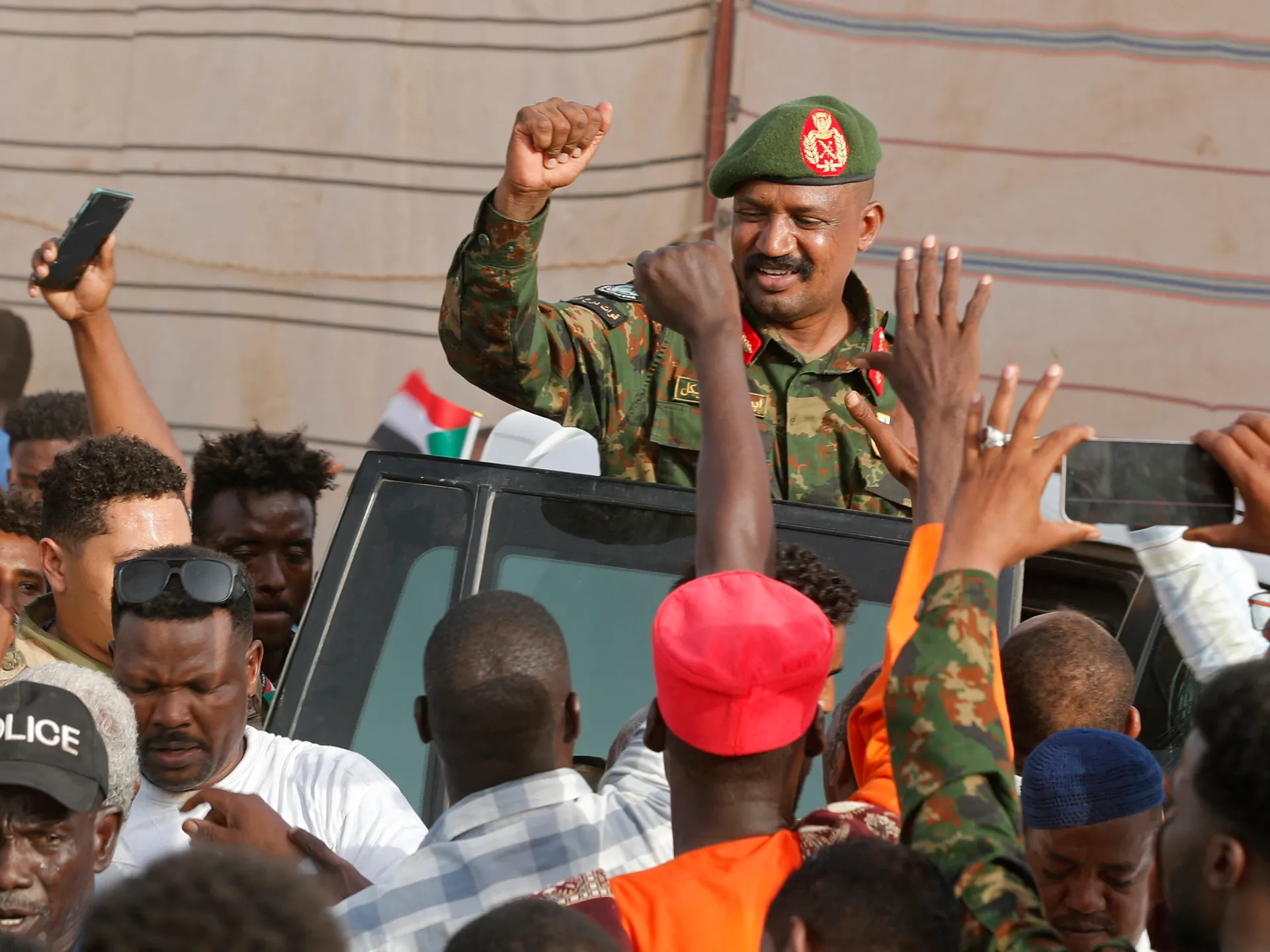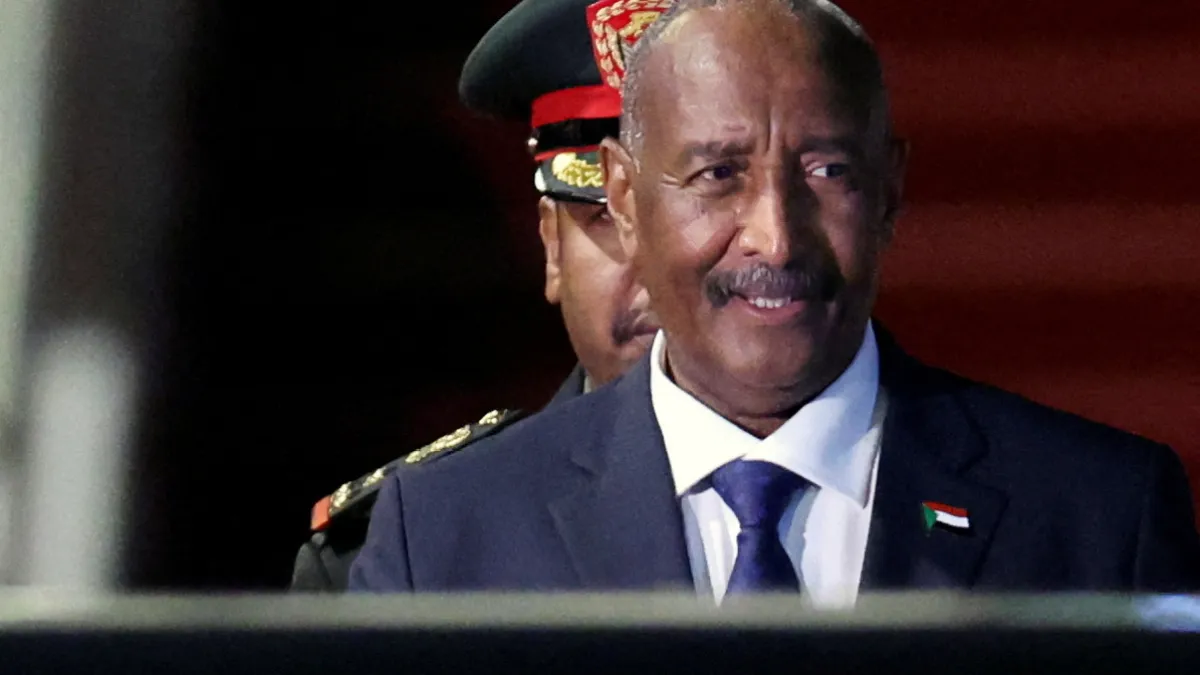
Sudan’s army chief has launched unannounced consultations with civilian and political groups to pave the way for a national dialogue conference and resolve ongoing tensions.
Sudan’s military leadership, headed consultations with various political blocs and civil society organizations. These discussions, which have taken place outside of official public channels, aim to establish a framework for a comprehensive national dialogue conference. Political sources close to the matter indicate that the primary objective is to create a political climate that allows for meaningful engagement between the fragmented factions of the country.
Central to these discussions is the proposal to lower the political temperature d a consensus on the need to cease hostile media campaigns targeting political rivals. Furthermore, there is significant momentum behind a proposal to suspend pending criminal charges against numerous political figures. These charges, which include severe accusations such as war crimes and undermining the state, have long been a point of contention between the Transitional Sovereignty Council and opposition groups, particularly the Somoud Alliance led
To ensure the legitimacy of the upcoming national dialogue, participants in the latest consultations have advocated for the creation of a preparatory committee. This body is intended to be comprised of independent experts and widely respected national figures, rather than active political partisans. This committee would hold the authority to define the conference’s agenda, determine the participant list, and select an appropriate venue, while also inviting regional and international observers to ensure transparency.
The scope of these meetings has been expansive, involving a diverse array of stakeholders including academics, professional unionists, leaders of Sufi orders, and representatives from native administrations. to foster a national project that transcends the current binary divisions of the conflict. Proponents argue that this bottom-up approach is essential for achieving a sustainable consensus that reflects the aspirations of the broader Sudanese public.
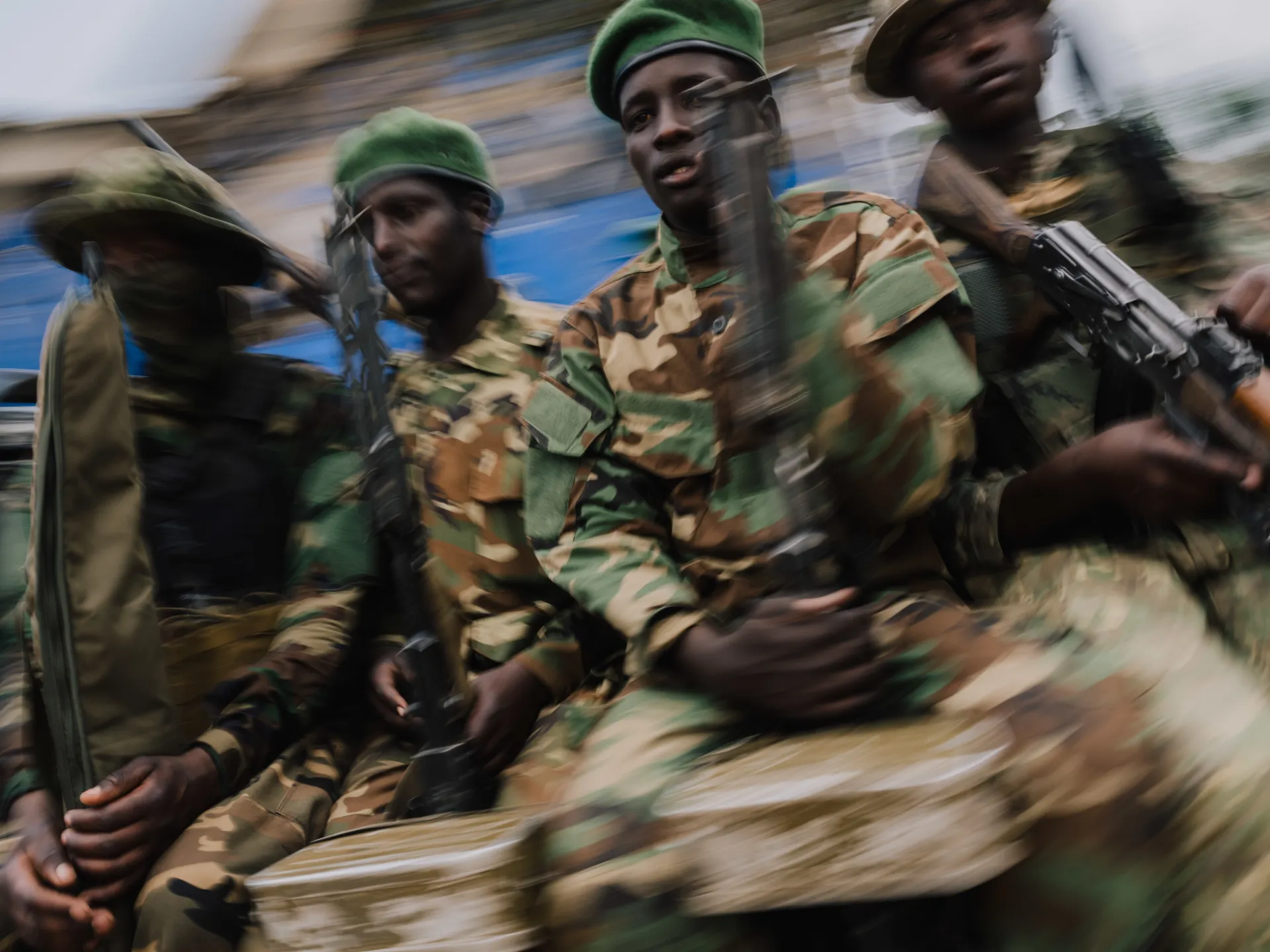
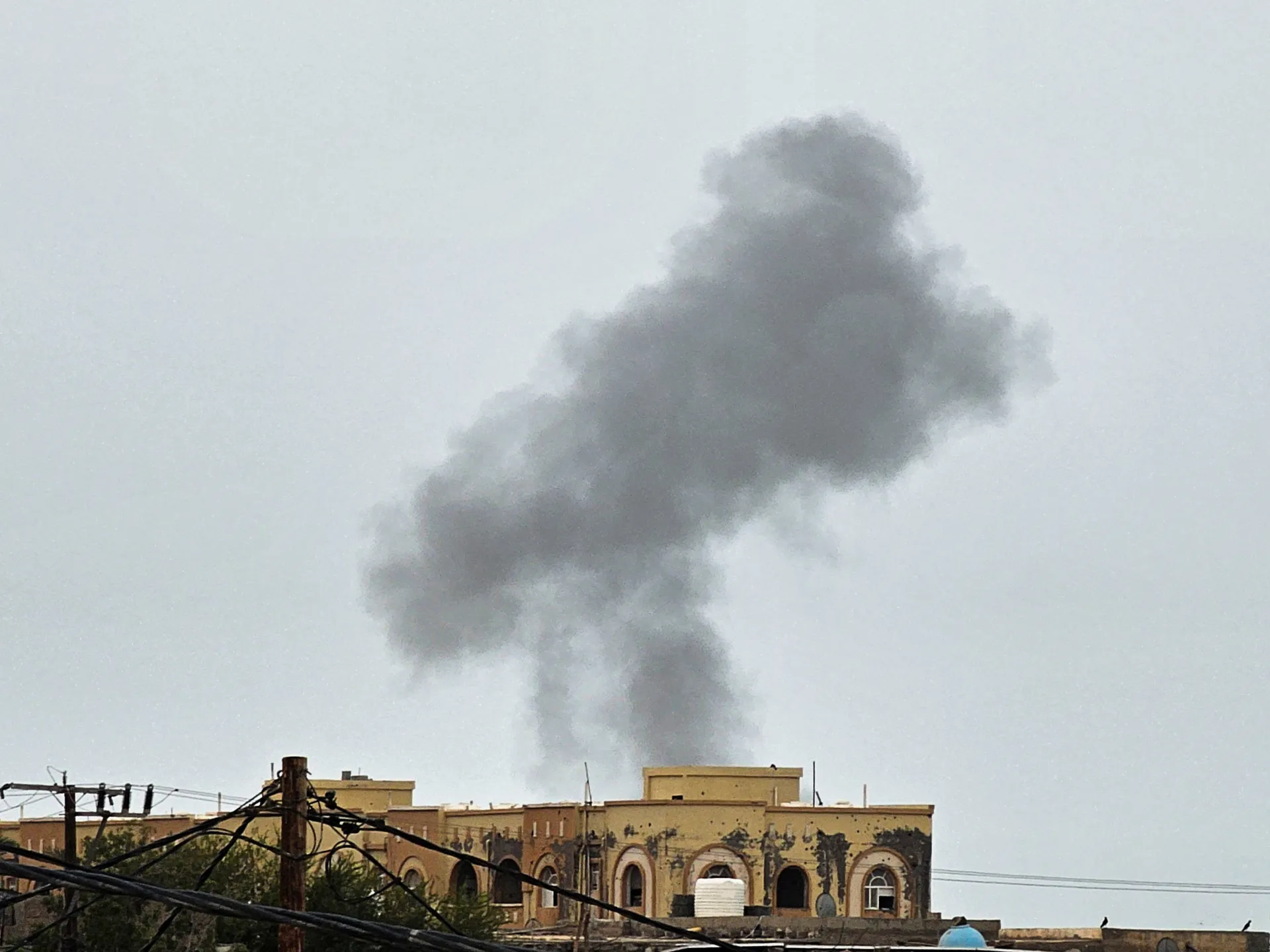
Despite these efforts, the path toward a unified political process remains fraught with skepticism. Critics, including leadership within the Somoud Alliance, have questioned the independence of these initiatives, suggesting that the consultations are merely a tactical maneuver s becoming a cosmetic exercise designed to restore international recognition for the army’s authority rather than addressing the root causes of the ongoing conflict between the Sudanese Armed Forces and the Rapid Support Forces.
Simultaneously, the role of international mediating bodies, such as the Quintet—comprising the UN, African Union, EU, IGAD, and the Arab League—has come under scrutiny. While the Quintet continues to push for a Sudanese-led settlement, recent attempts to facilitate dialogue in Addis Ababa have struggled to bridge the gap between competing factions. Some political groups have expressed frustration, claiming that the international umbrella has lost its neutrality and is no longer effectively serving the interests of a truly sovereign political process.
The landscape of the proposed dialogue is further complicated cated that the National Congress Party (NCP), which governed during the tenure of Omar al-Bashir, will not be permitted to participate in the upcoming conference. This decision has met with sharp criticism from NCP leadership, who view the move as a strategic blunder that ignores the complex political realities of the nation.
NCP figures argue that it is fundamentally unfair to categorize them alongside forces aligned with the paramilitary Rapid Support Forces. They contend that their supporters have actively fought alongside the national army, and therefore, their exclusion risks undermining the stability of the state. As the debate over who belongs at the negotiating table intensifies, the prospect of a fully inclusive dialogue remains uncertain, leaving the nation to grapple with the risks of partial representation and the potential for long-term political instability.