

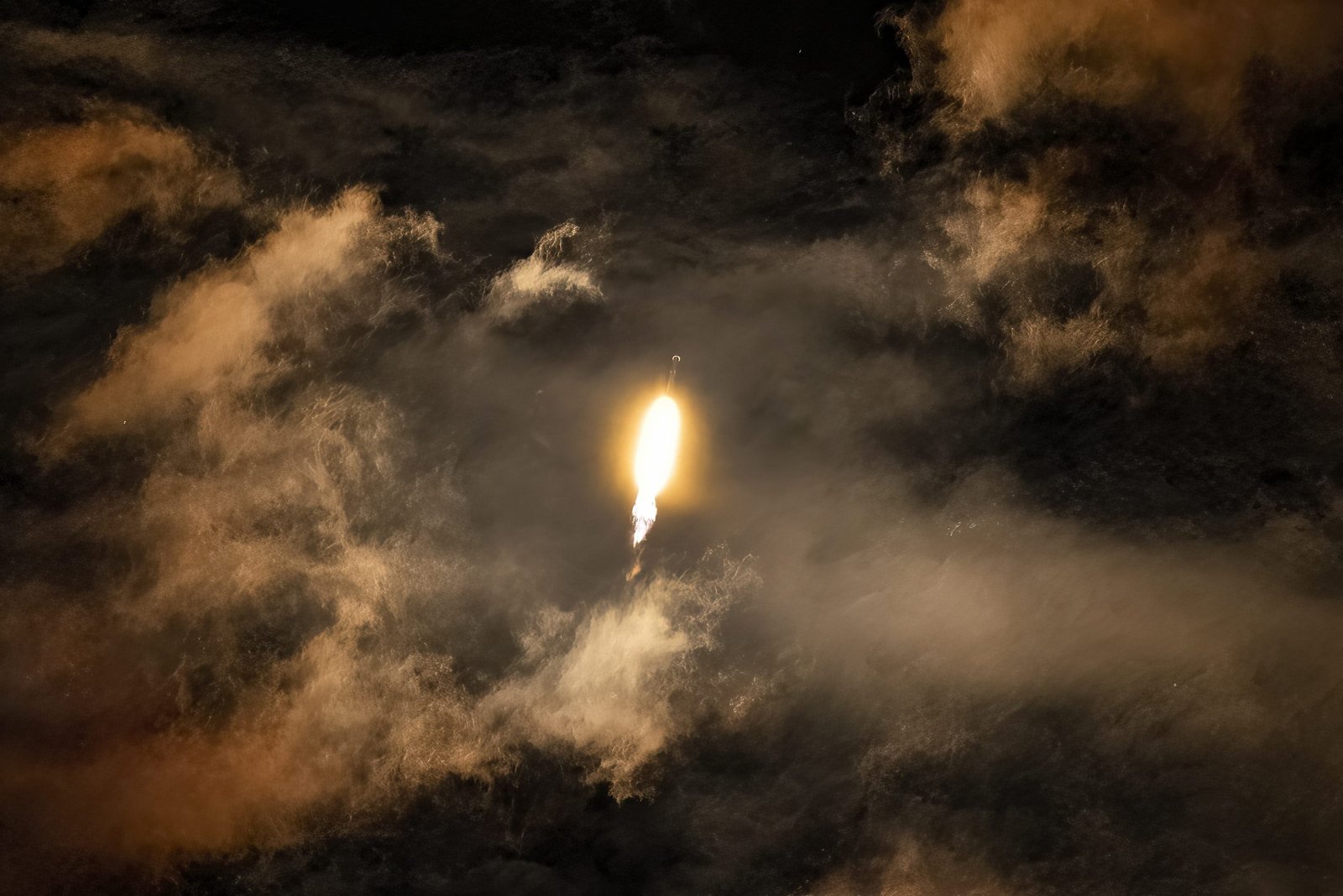
The Federal Communications Commission has authorised Elon Musk’s SpaceX to deploy up to one million satellites designed to operate as data centers in space — the first approval of its kind in United States history, and a decision that could transform the night sky.
Key Points
- The FCC approved SpaceX’s “Starmind” constellation on Wednesday, November 25, calling it a historic first in the race for artificial intelligence.
- The satellites would process AI workloads in orbit, powered by continuous sunlight, with data sent back to Earth.
- SpaceX must launch its first satellite by November 2033, 10 percent of the constellation by 2035 and the full million by 2040.
- Scientists have raised concerns about orbital debris, light pollution and the lack of an environmental review.
- Other companies, including Google and Blue Origin, are pursuing orbital data centers, but only SpaceX’s application has been approved so far.
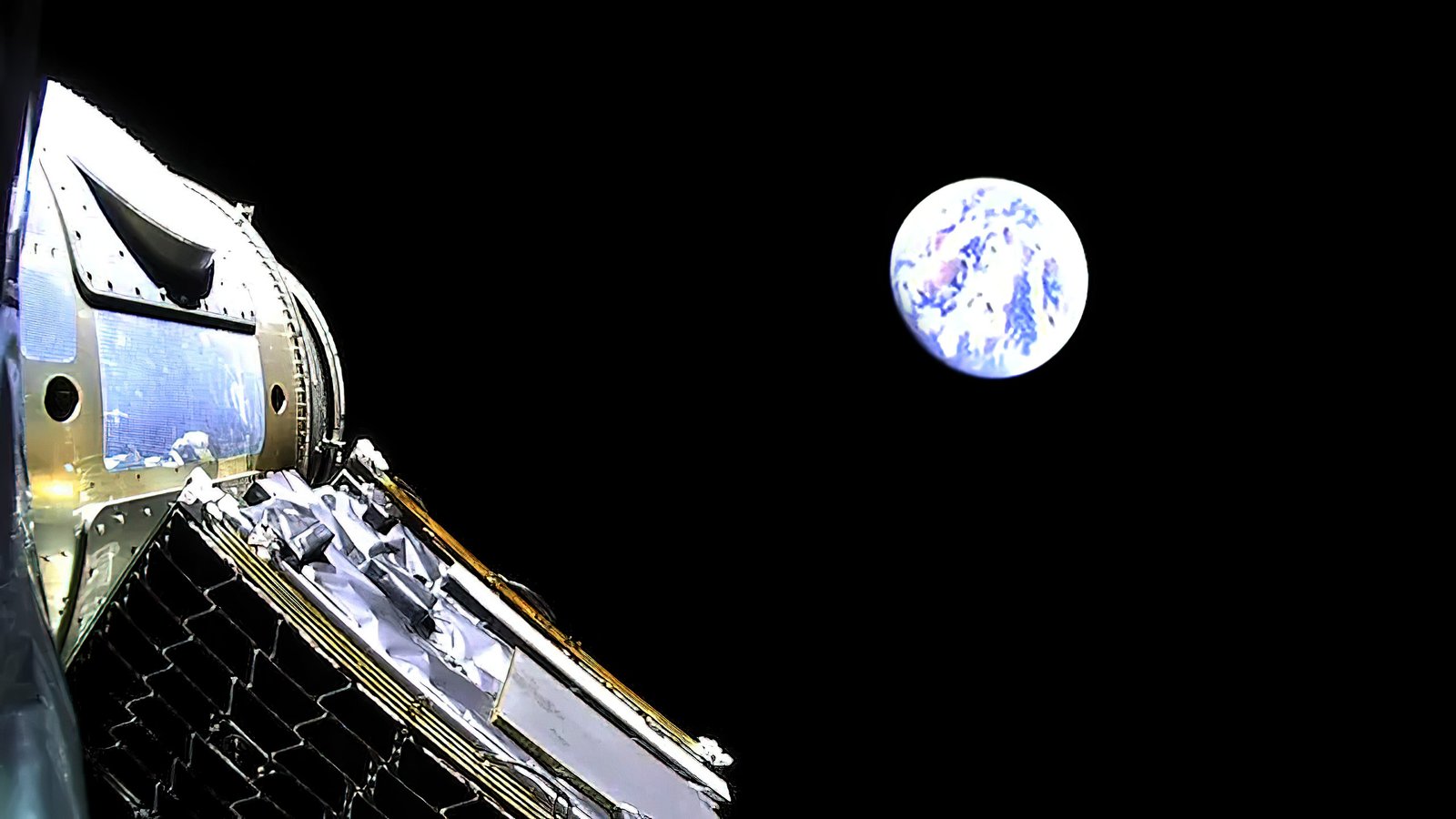
FCC Chair Brendan Carr announced the decision on Wednesday, describing it as a historic first amid the AI race. “Today, in a historic first, the FCC approved SpaceX’s request for 1 million satellites (orbital compute modules) to create data centers in space,” Carr wrote. “The Starmind & competitor constellations will use solar power to extend America’s lead in Super Intelligence.” The agency said deploying the constellation would help meet “rapidly growing demand” for AI computing power.
The idea is to move the energy-hungry work of artificial intelligence off the ground. Data centers on Earth consume enormous amounts of electricity and water for cooling; in orbit, satellites can draw on continuous sunlight and radiate heat into space. SpaceX describes Starmind as “capturing solar energy in space to power low-cost, high-performance AI compute for Earth.” The company plans to deploy the satellites at altitudes ranging from 500 to 1,002 kilometres, and aims to launch its first data centers into space in 2027, expanding through 2029.
A 50-fold increase in satellites
The scale is difficult to overstate. SpaceX already operates one of the largest satellite constellations ever assembled, with just over 11,000 of its Starlink broadband satellites in orbit. The Starmind constellation would increase the total number of satellites in Earth orbit by roughly 50-fold. In 2015 there were about 1,400 active satellites; as of 2026 there are around 15,000.
The FCC’s authorisation comes with strict milestones. Under the SpaceX one million satellites FCC licence, SpaceX must deploy at least one authorised space station by November 2033, 10 percent of the total — 100,000 satellites — by November 2035, 50 percent by November 2038 and the remainder by November 2040. The approval is conditional: the FCC has not yet approved SpaceX’s plans to handle orbital debris for satellites operating above 600 kilometres, and the company had sought a waiver to move those satellites into so-called graveyard orbits at the end of their lives rather than bringing them down to burn up in the atmosphere.
Scientists are sceptical. Astronomers warn that a million bright satellites would transform the night sky and interfere with telescopes, while debris experts question whether so many objects can be operated safely in crowded orbits. Earthjustice, an environmental law organisation, said the decision was finalised without any environmental review, as required by the National Environmental Policy Act. The FCC maintained that the Starmind constellation operates consistently with its orbital debris rules.
What happens next
The approval does not mean orbital data centers are imminent. SpaceX must still build the satellites, prove the technology works, and meet each deployment deadline or risk losing the authorisation. Musk has previously said the company could begin demonstrating its AI satellite technology by late 2027, with broader deployment potentially beginning as early as 2028.
For background on SpaceX’s ambitions, see our report on SpaceX Catches Starship From Orbit in Historic First as Booster Is Lost, and on S&P Puts Nvidia’s AA Credit Rating on Downgrade Watch Over Board Governance Concerns. More in our Technology section.
Sources: CNN: US authorizes SpaceX to deploy 1 million satellites for AI data centers in space; SpacePolicyOnline: FCC Approves Elon Musk’s One Million Orbital Data Centers
1 comment on “FCC Approves SpaceX Plan to Launch One Million Satellites for Orbital AI Data Centers”