

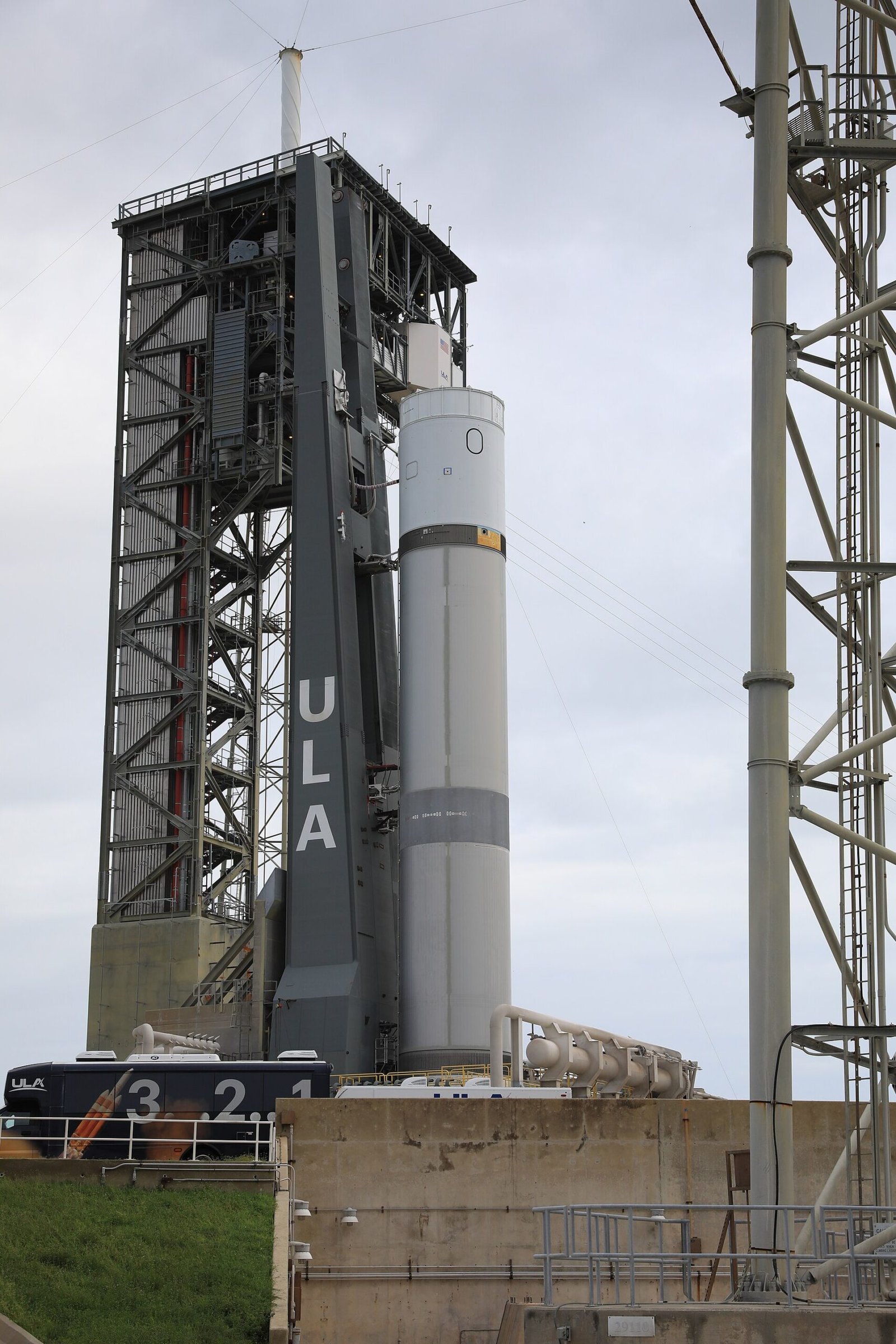
A United Launch Alliance Vulcan rocket failed about ten minutes after lifting off from Florida on Sunday, destroying its payload of 40 Amazon Leo internet satellites in the launch company’s first outright mission failure in twenty years.
Key Points
- Vulcan rocket failure — the 214-foot-tall rocket blasted off from Space Launch Complex 41 at Cape Canaveral Space Force Station at 12:40 p.m. EST on Sunday, 15 November, on 3.8 million pounds of thrust.
- ULA confirmed about 50 minutes after liftoff that the vehicle “suffered an anomaly 10 minutes into the flight and failed to deliver the Amazon mission to orbit”.
- The flight was Vulcan’s fifth since its 2024 debut and its first in nine months, and the first of 38 Vulcan flights Amazon has bought to build its Leo satellite internet network.
- It was the first outright failure of a United Launch Alliance rocket since the company, a joint venture of Boeing and Lockheed Martin, was formed in 2006.
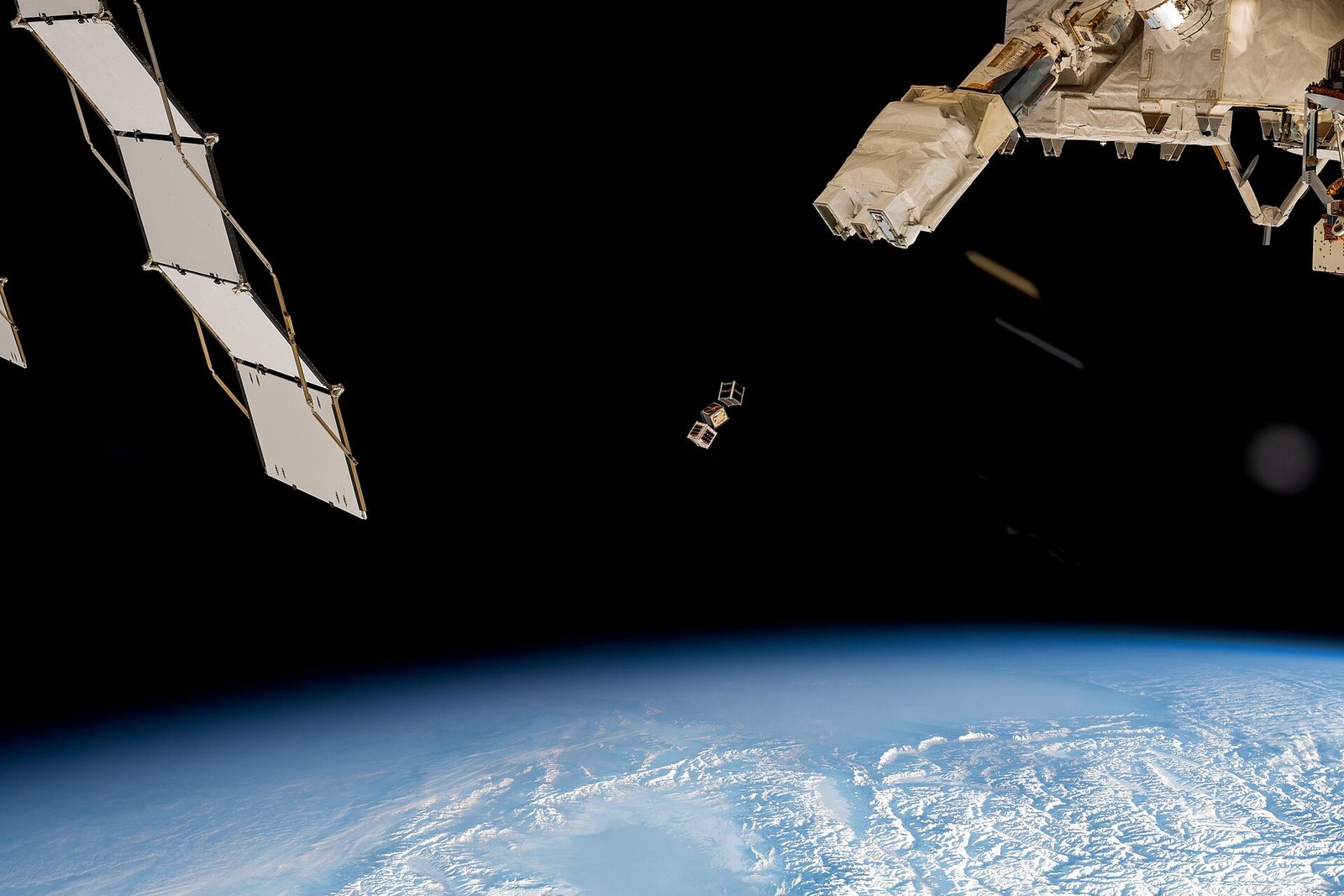
The launch began normally. Six Northrop Grumman strap-on solid rocket boosters and two methane-burning BE-4 engines pushed the rocket off the pad on a north-easterly trajectory, and the solid boosters peeled away one minute and 35 seconds into the flight, as planned. But the two BE-4 engines, supplied by Amazon founder Jeff Bezos’ Blue Origin, kept running for around 30 to 40 seconds longer than planned, and the mission never reached orbit. ULA said it did not yet have enough data to name a cause.
“Since the anomaly just occurred, we don’t have any specific data yet to understand what occurred today,” a ULA spokesperson said. The company said it would work closely with Amazon and other organisations to find the cause, determine the corrective action and return to flight as quickly as possible. NASA Administrator Jared Isaacman said the space agency was ready to support the teams resolving the failure.
A setback for Amazon’s race with Starlink
The loss is a costly blow to Amazon’s effort to catch up with Elon Musk’s Starlink. The 40 satellites would have been the largest single batch yet for the Leo constellation, pushing the total launched to 436. Amazon has deployed about 398 Leo satellites across 14 launches since 2025, roughly 12 per cent of the 3,236 satellites it needs for global service coverage. Under a US Federal Communications Commission deadline, Amazon must have half of the constellation — 1,616 satellites — in orbit by July 2028, and it has said Leo will start initial service before the end of 2026 in the US and UK.
The failure is expected to lead to a lengthy technical investigation that would keep the rocket off the market for months. That matters beyond Amazon: the US Space Force had not yet cleared Vulcan to resume national security launches following its earlier booster problems, and the rocket’s return to flight was already overdue. Vulcan’s nine-month hiatus before Sunday’s flight was caused by separate technical investigations into the nozzles on its solid rocket side boosters and its core BE-4 engines.
What comes next
Amazon will now have to wait for ULA’s failure investigation to run its course before trying again with a Vulcan, and it has 37 further Vulcan launches booked. The BE-4 engine is also under scrutiny for a second reason: Blue Origin’s New Glenn rocket, which uses the same engine, suffered a launchpad explosion in May, and its investigation determined the engine was the cause. That explosion came days before New Glenn was due to launch Amazon Leo satellites. Until ULA identifies what went wrong on Sunday, both Amazon’s constellation timetable and the launch company’s hard-won reputation for reliability are on hold.
For background on NASA’s lunar plans, see our report on NASA accelerating moon lander development for 2028, and on a SpaceX rocket launch creating a jellyfish visual effect. More in our Technology section.
Sources: Spaceflight Now, “ULA suffers first outright failure with loss of Vulcan rocket carrying 40 Amazon Leo satellites” (https://spaceflightnow.com/2026/11/15/ula-suffers-first-total-mission-failure-with-loss-of-vulcan-rocket-carrying-40-amazon-leo-satellites/); Republic World, “Rocket From Boeing-Lockheed Firm Fails Mid-Flight, Destroys Payload of 40 Amazon Leo Satellites” (https://www.republicworld.com/science/space/rocket-from-boeing-lockheed-firm-fails-mid-flight-destroys-payload-of-40-amazon-satellites-2026-11-16-141139).