

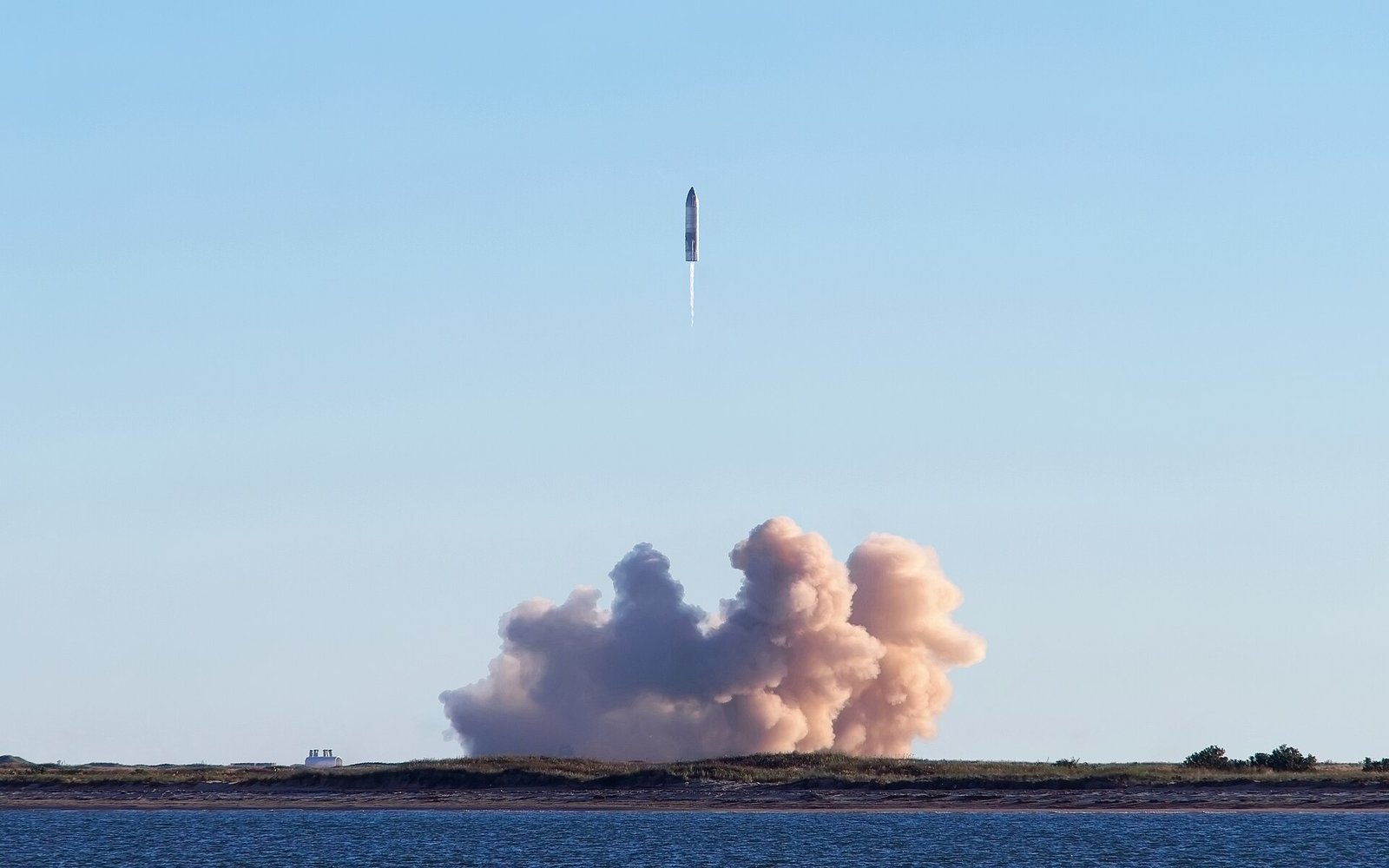
SpaceX’s Starship spacecraft returned from orbit on Saturday and was caught in mid-air by giant mechanical arms at its Texas launch site, the first time the company has ever recovered the upper stage of the world’s largest rocket — a milestone Elon Musk has chased for years.
Key Points
- SpaceX Starship catch — the 52-metre spacecraft was caught by the launch tower’s “Mechazilla” arms after a 22.5-hour mission, completing 14 orbits of Earth.
- During the flight, Starship deployed 26 Starlink satellites while cruising about 260 kilometres above Earth.
- The mission fell short of a double catch: the Super Heavy booster failed on its return and was diverted to the Gulf of Mexico, where it self-destructed.
- It was Starship’s 15th full-scale flight since 2023 and only its second trip to orbit.
The towering two-stage rocket lifted off late on Friday afternoon from SpaceX’s Starbase facility near the US-Mexican border. The Super Heavy booster, the rocket’s bottom half, carried Starship to space and then separated. The spacecraft soared into orbit, released 26 advanced Starlink satellites, and kept circling the world 265 kilometres up, streaming live views of itself and Earth via Starlink.
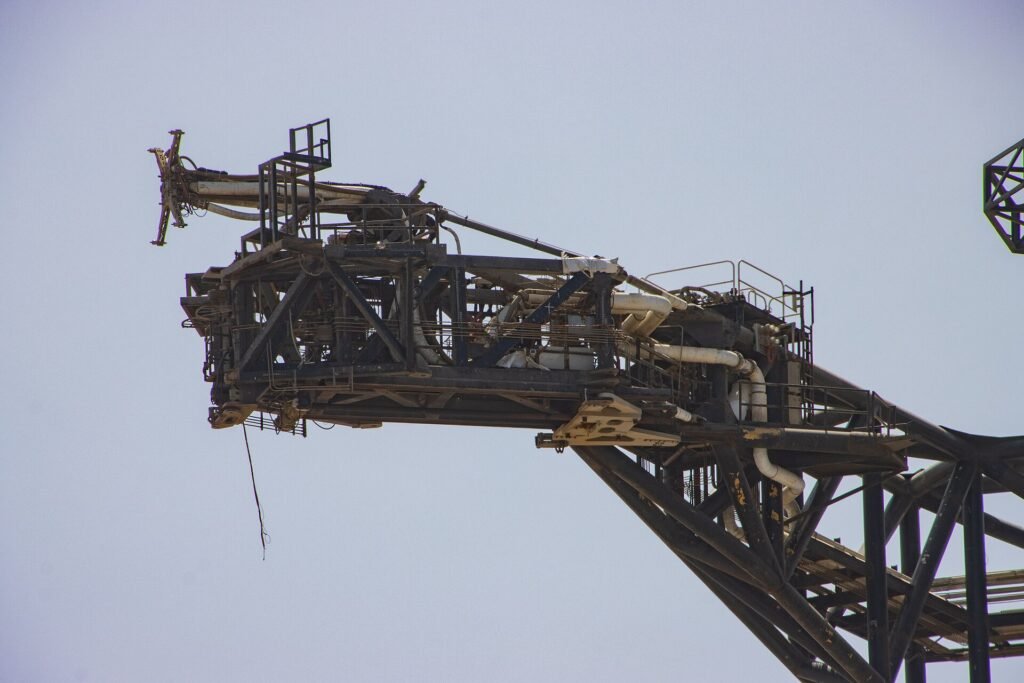
On Saturday, Starship fired one of its engines to begin its plunge back through the atmosphere, travelling at about 17,000 miles per hour. The 52-metre ship fell out of thick clouds over Starbase, reignited its engines to flip itself vertical, and slowly descended into the tower’s mechanical arms, engines still roaring. Charred from the blazing heat of re-entry, the ship shut down its engines and hung still above the launch pad. “Mechazilla catches Starship! Congratulations to the entire SpaceX team on this incredible achievement!” the company posted on X, as its livestream played the 1977 hit “Baby Come Back”.
The booster that got away
The celebration was tempered by the loss of the Super Heavy booster. About ten minutes after lift-off, the booster’s engines stopped firing too soon on the way back down. Its guidance system sensed it was not in the right position and automatically diverted it toward the Gulf of Mexico, where it self-destructed. Wreckage remained in the Gulf, cordoned off by buoys, as the stainless steel, bullet-shaped spacecraft lowered itself upright at the launch pad.
SpaceX officials said Saturday’s catch demonstrates the full reusability of Starship, which is intended to carry people and cargo to the Moon and Mars. NASA welcomed the news. But recovering the spacecraft does not yet prove it can be flown again without extensive refurbishment, and the lost booster leaves more work before the company can bring the entire rocket home in a single flight.
What comes next
The flight was Starship’s longest mission yet, far beyond the one or two laps of its previous orbital trip. SpaceX expects to begin launching Starships from Florida’s Kennedy Space Center within the next few months, which would give it a second launch site and a faster flight rate. The next test will aim for the double catch that eluded the company this time — both stages home, both ready to fly again.
For background on SpaceX’s earlier launches, see our report on a SpaceX rocket launch creating a jellyfish visual effect, and on NASA accelerating its Moon lander development. More in our Technology section.
Sources: Associated Press via La Nacion, “SpaceX’s Starship returns from orbit and is captured by launch pad arms in a dramatic first” (https://www.lanacion.com.ar/usa/spacexs-starship-returns-from-orbit-and-is-captured-by-launch-pad-arms-in-a-dramatic-first-nid14112026/); The Business Times, “SpaceX Starship returns to landing pad from orbit, acing test for reusable rockets” (https://www.businesstimes.com.sg/international/global/spacex-starship-returns-landing-pad-orbit-acing-test-reusable-rockets).