

A magnitude 5.7 earthquake struck central Japan in the early hours of Sunday, injuring at least 22 people, shattering shop windows and forcing bullet trains to slow to a crawl while railway operators checked for damage.
Key Points
- Japan earthquake magnitude 5.7 — the quake struck at 1:04am local time on Sunday, with its epicentre in western Shizuoka Prefecture.
- At least 22 people were injured, most in Aichi Prefecture; no deaths were reported.
- The strongest shaking reached upper 5 on Japan’s seven-level seismic intensity scale in Chita, Aichi.
- Shinkansen bullet trains ran at reduced speeds, and the weather agency warned of strong aftershocks.
The Japan Meteorological Agency (JMA) put the preliminary magnitude at 5.7 and placed the epicentre in western Shizuoka Prefecture, at a depth of about 40 kilometres. The US Geological Survey measured the quake slightly lower, at magnitude 5.5. The tremor was felt across a wide area — including Aichi, Shizuoka, Yamanashi, Gifu, Kyoto and Nara prefectures — but was not felt in Tokyo.
Injuries and damage
At least 22 people were injured, according to local media reports carried by the Associated Press. Most were hurt in Aichi Prefecture, with at least three more in Shizuoka. Many were injured after falling on stairs or hitting their heads as they fled buildings in the dark. Shop windows shattered, scattering broken glass across streets, and books flew from shelves inside a bookstore.
No tsunami warning was issued. Prime Minister Sanae Takaichi said on X that there was no tsunami risk, and Chubu Electric Power reported no abnormalities at the Hamaoka Nuclear Power Plant in Shizuoka, which sits near the Nankai Trough — a zone long watched for a major future quake.
Japan measures shaking on its own seven-level seismic intensity scale, which describes what people feel and how buildings respond rather than the energy released. An intensity of upper 5, recorded in Chita, is strong enough to make it difficult to move without holding onto something stable and to topple unsecured furniture. The quake struck in a region where the Philippine Sea Plate slides beneath Japan, the same tectonic boundary that drives the Nankai Trough threat.
Transport disruption and the aftershock warning
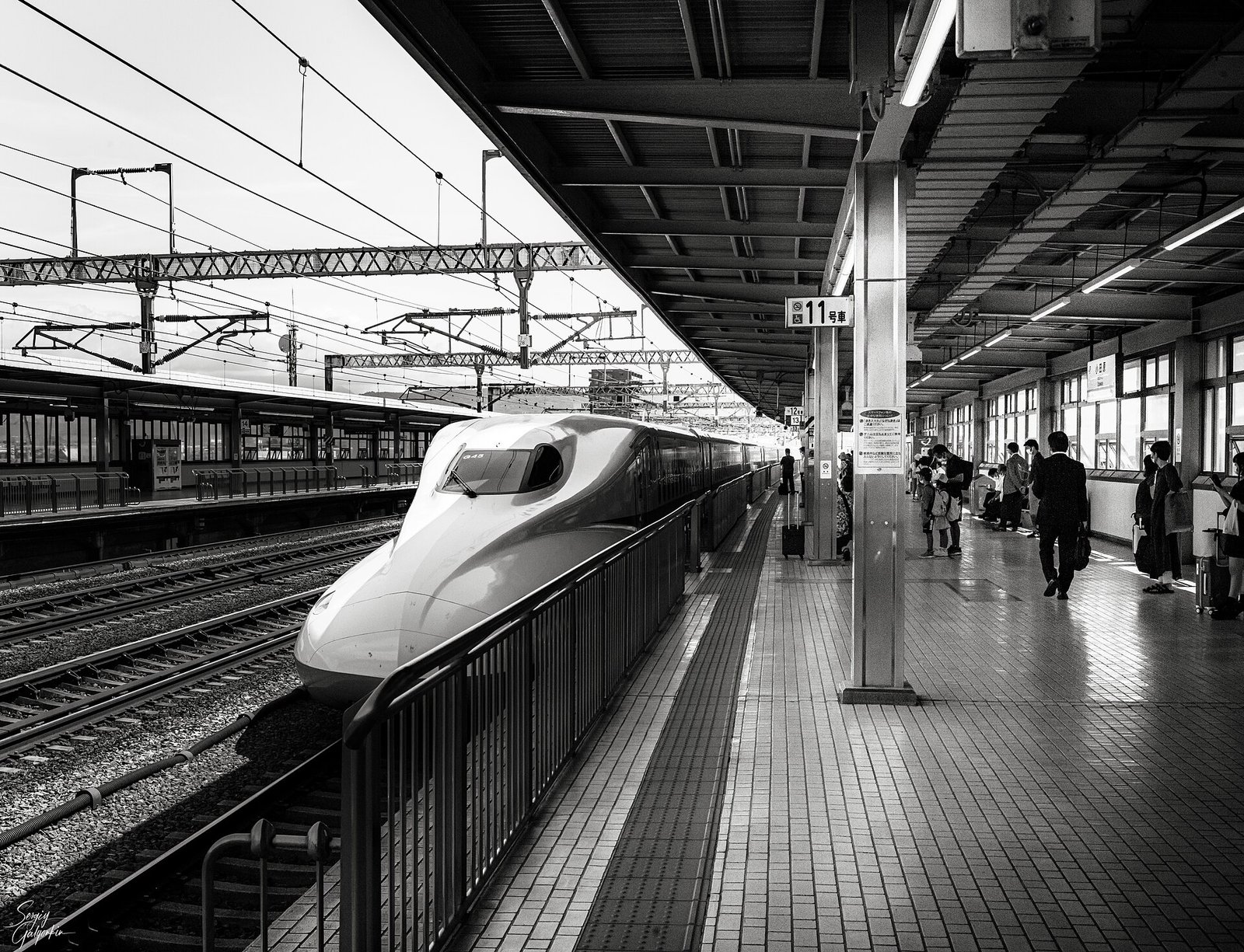
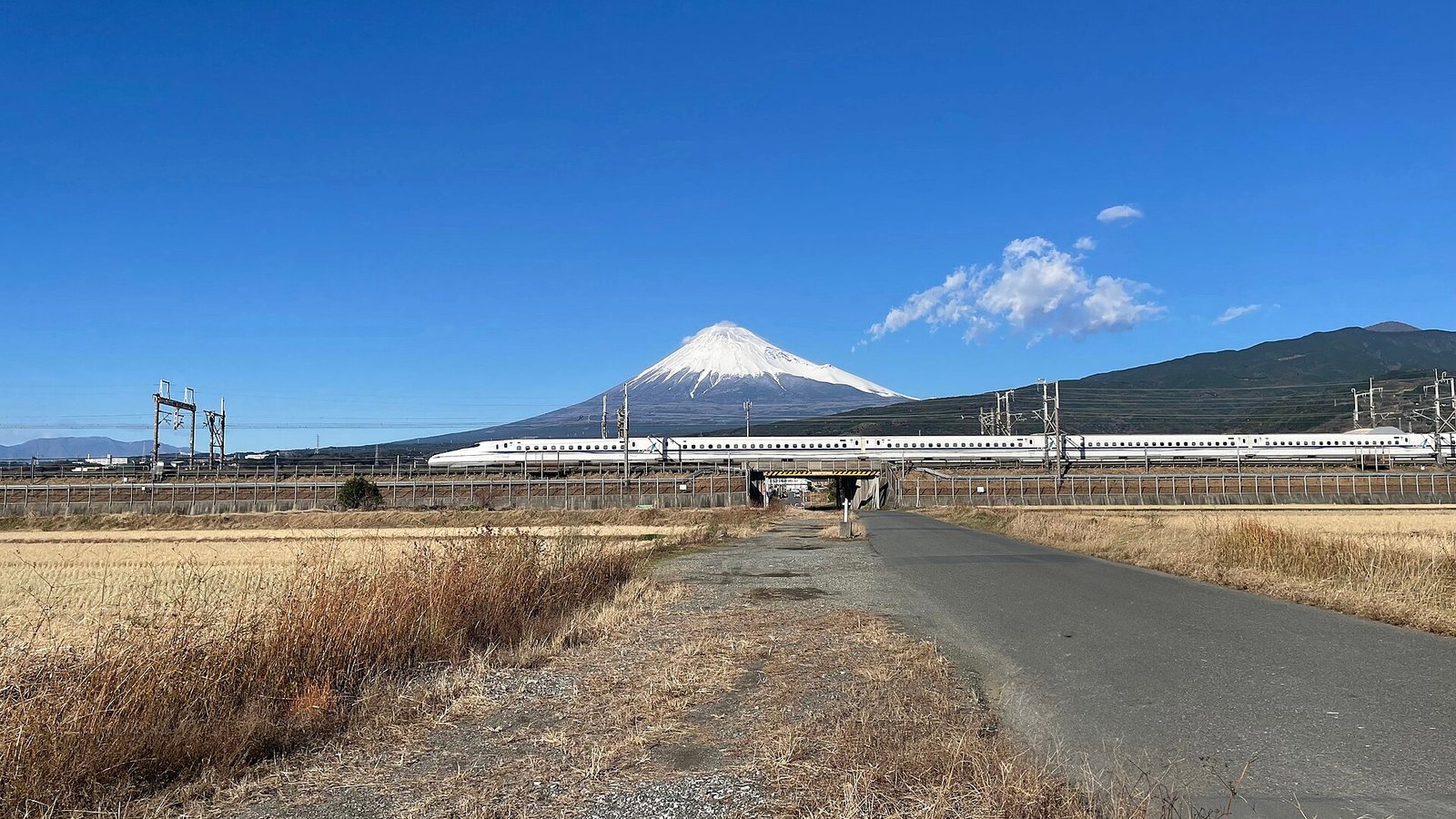
Central Japan Railway said it delayed Tokaido Shinkansen services between Shizuoka and Gifu-Hashima stations while safety inspections were carried out, and trains then ran at reduced speeds as a precaution. Several local lines held their first trains or suspended services while infrastructure was checked.
The JMA has urged residents to remain alert for possible strong earthquakes over the coming week, particularly in the next two to three days, along with a higher risk of mudslides and falling rocks if rain hits shaken slopes. Injury figures remain preliminary and may rise as authorities continue their assessment.
For background on Japan’s seismic risk, see our report on the magnitude 5.9 earthquake that hit eastern Japan in August, and on global seismic activity and whether earthquakes are becoming more frequent. More in our World News section.
Sources: Outlook India, “Japan Earthquake Today: 5.7-Magnitude Tremor Hits Central Japan, 22 Injured“; Moneycontrol, “Japan Earthquake 2026: 5.7 magnitude quake hits near Mount Fuji, JMA warns of more tremors“.