

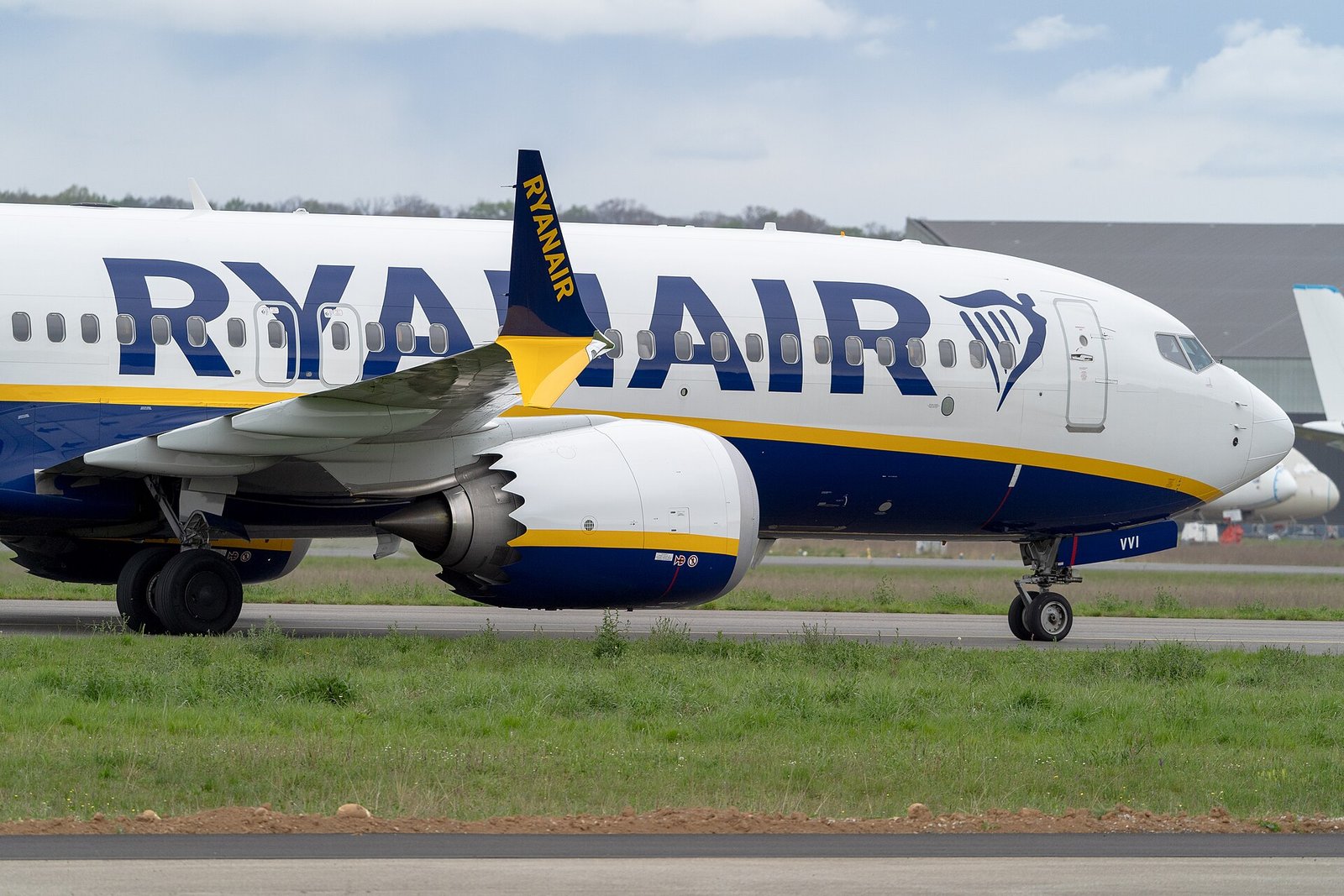
A fresh wave of hoax bomb threats disrupted air travel across Europe on Friday, grounding, diverting and delaying at least 18 more flights in what officials describe as an apparently coordinated campaign to cause chaos — the third wave of threats to hit European aviation this week.
Key Points
- At least 18 flights were disrupted on Friday, to or from Bulgaria, Cyprus, Czechia, France, Hungary, Italy, Portugal, Romania and the UK.
- Every affected aircraft landed safely and searches found no explosive devices on any of them.
- Earlier waves on Tuesday and Thursday forced at least 35 more flights to be diverted or searched.
- Investigators say there is no evidence so far that a terror group or state actor is behind the hoaxes.
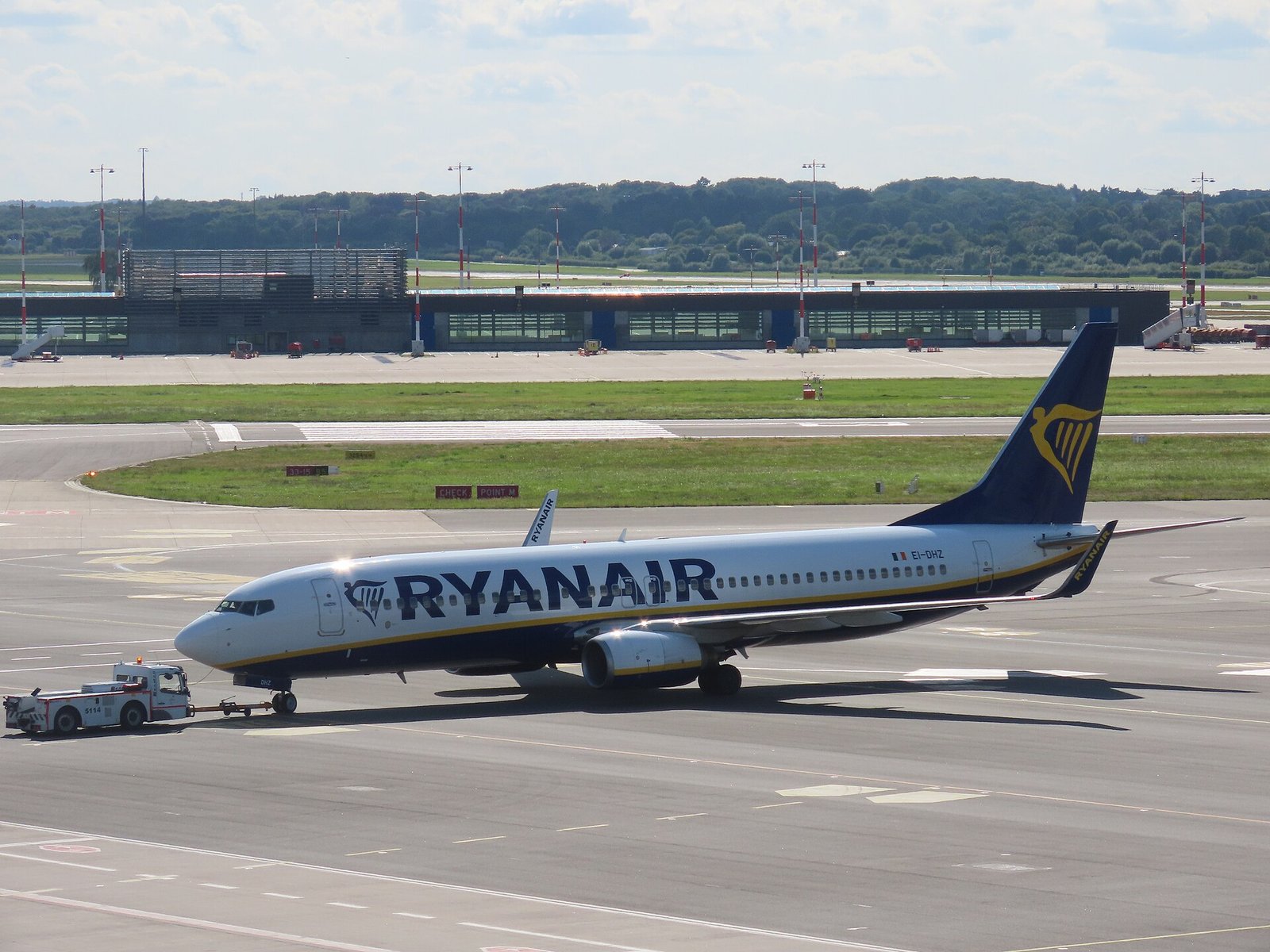
Friday’s alerts hit at least nine flights to and from Prague, four flights over France, two flights heading to Sofia and a Lisbon–Rome service, among others. Ryanair was the hardest-hit airline, with eight reported cases by Thursday. UK Transport Secretary Heidi Alexander described the threats as “malicious hoax threats”. The disruption, while widespread, was a tiny fraction of the day’s flying: Eurocontrol, which coordinates air traffic across the continent, said 26,709 flights were scheduled in Europe on Friday, meaning the affected services accounted for just 0.07% of them.
A week of threats
The campaign began on Monday, when a Wizz Air flight from London Luton to Sofia was diverted to Budapest. On Tuesday, at least seven flights and a cruise ship received bomb threats, and on Thursday at least 25 threats hit airports including London, Birmingham, Brussels, Bucharest, Madrid, Milan, Prague, Rome, Sofia and Warsaw, with some aircraft escorted by fighter jets — Bulgarian jets escorted three airliners to the ground. In total, more than 50 flights have now been diverted or searched this week.
Some of the threats sent on Thursday were signed in the name of fighters of the Male State, a Russian far-right, ultranationalist and misogynistic movement founded in 2016, which has claimed responsibility for at least two incidents. Investigators have said there is so far no evidence that the hoaxes are being orchestrated by a hostile terror group or state actor, such as Russia or Iran, but inquiries continue. Aviation experts say hoax threats happen daily, but the number this week is unusual, and the fact that most of the countries affected support Ukraine in its war against Russia’s invasion has drawn attention.
What happens next
No one has been identified, and investigators are treating the Friday wave alongside the earlier events as a pattern of repeated disruption rather than isolated scares. A group claiming responsibility reportedly sent an email to several media outlets warning of further attacks on transport across Europe. For passengers, the immediate reality is that all flights landed safely and no explosives were found; the disruption came from the repeated threat assessments and the security searches that followed. For Monday’s incident, see our report on the Wizz Air flight that landed safely after a bomb threat, and for another recent case, Austrian Airlines flight makes emergency landing after bomb threat. More in our World News section.
Sources: The Guardian via World Right Now, “Further bomb threats disrupt at least another 18 flights across Europe”; Media Pavilion, “Bomb Threats on European Flights: What Travellers Should Know”.