

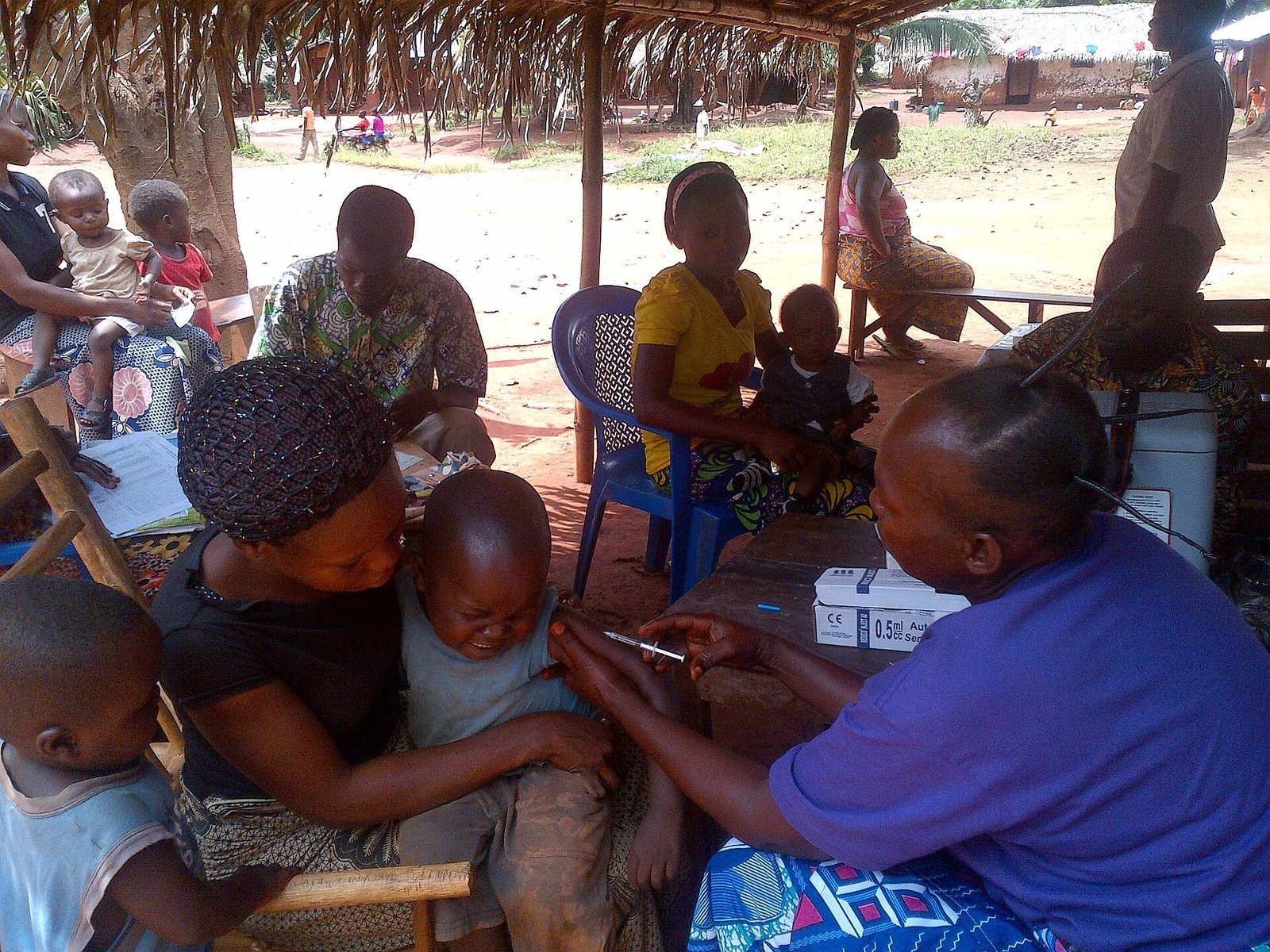
Measles cases in the United States have climbed above 5,000 for the first time since 1991, with the Centers for Disease Control and Prevention (CDC) confirming 5,182 cases so far this year — the worst annual total in 35 years — and state health departments reporting eight deaths from the preventable disease.
Key Points
- The CDC has confirmed 5,182 measles cases in 2026 across 45 states and Washington, D.C. — more than double the 2,289 recorded in all of 2025.
- 96% of cases were in people who were unvaccinated or whose vaccination status was unknown; about 59% were children and teenagers.
- State health departments have reported eight deaths: six in Pennsylvania, one in New York and one in Wisconsin.
- The CDC’s own death count stands at four, in a counting dispute with the states.
Pennsylvania is the hardest-hit state in the outbreak. Its health department reported 1,487 cases and 287 hospitalizations, and confirmed its sixth measles-associated death this week. South Carolina, with 670 cases, and Utah, with 536, recorded the next-highest totals. Nationwide, 562 people have been hospitalised with measles this year, representing 11% of all reported cases. The CDC’s count rose by 330 cases in the latest week alone — the 13th straight week of triple-digit increases.
A dispute over the death toll
The eight deaths reported by the states include an infant in Wisconsin — the first measles death in that state since 1990 — and a child in New York, its first known measles death in more than 30 years. The CDC, however, lists only four measles-associated deaths in 2026. The discrepancy arose after the agency, under Health Secretary Robert F. Kennedy Jr., switched from state health departments’ figures to National Center for Health Statistics mortality data to track measles deaths. Pennsylvania counts a death as measles-associated if a confirmed case dies within 30 days of the onset of symptoms, and Governor Josh Shapiro has clashed publicly with Kennedy over the counting. The CDC says it is working with the Council of State and Territorial Epidemiologists to establish a standard definition.
Why the outbreak keeps growing
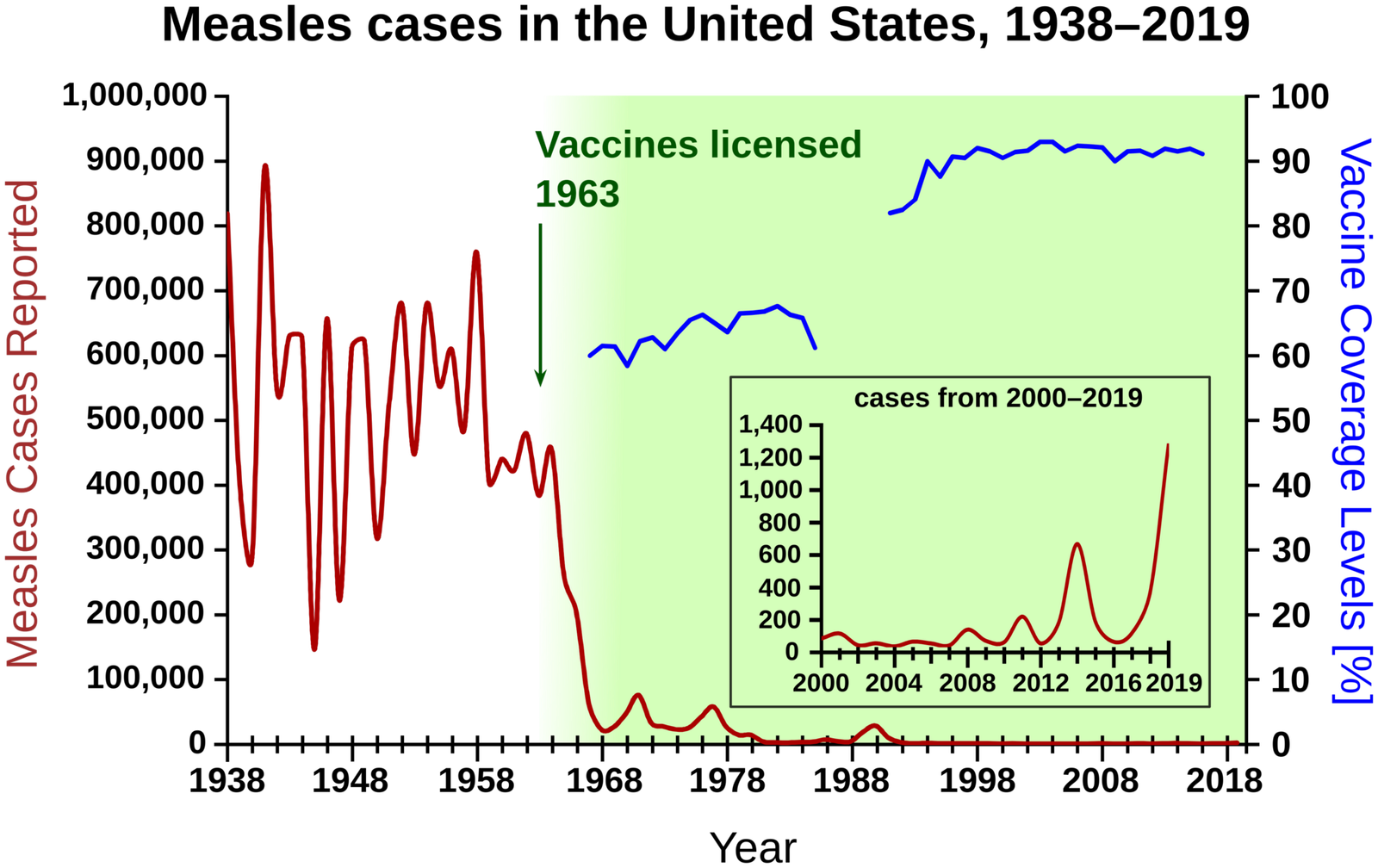
Measles was declared eliminated in the United States in 2000, meaning the virus no longer spread continuously inside the country. That status is now at risk: the Pan American Health Organization is scheduled to review US transmission data on November 10, and if it finds that one viral strain has circulated continuously for 12 months, the status will be lost. The last comparable resurgence, from 1989 to 1991, produced about 55,000 infections and 123 deaths. Only five states — Arkansas, Hawaii, Mississippi, Nevada and New Hampshire — have reported no cases in 2026. Health officials point to falling vaccination coverage: immunisation coverage for kindergarteners fell from 95.2% in the 2019–2020 school year to 92.4% in 2025–2026.
For the Wisconsin case at the centre of this week’s toll, see our report on the Wisconsin infant who died of measles, and for the earlier Pennsylvania outbreak, Measles Outbreak in Pennsylvania Raises Global Health Concerns. More in our Health section.
Sources: USA Today, “A once almost-forgotten disease is spiking in the US. See latest numbers”; Free Malaysia Today, “US reports highest number of measles cases in 35 years”.