

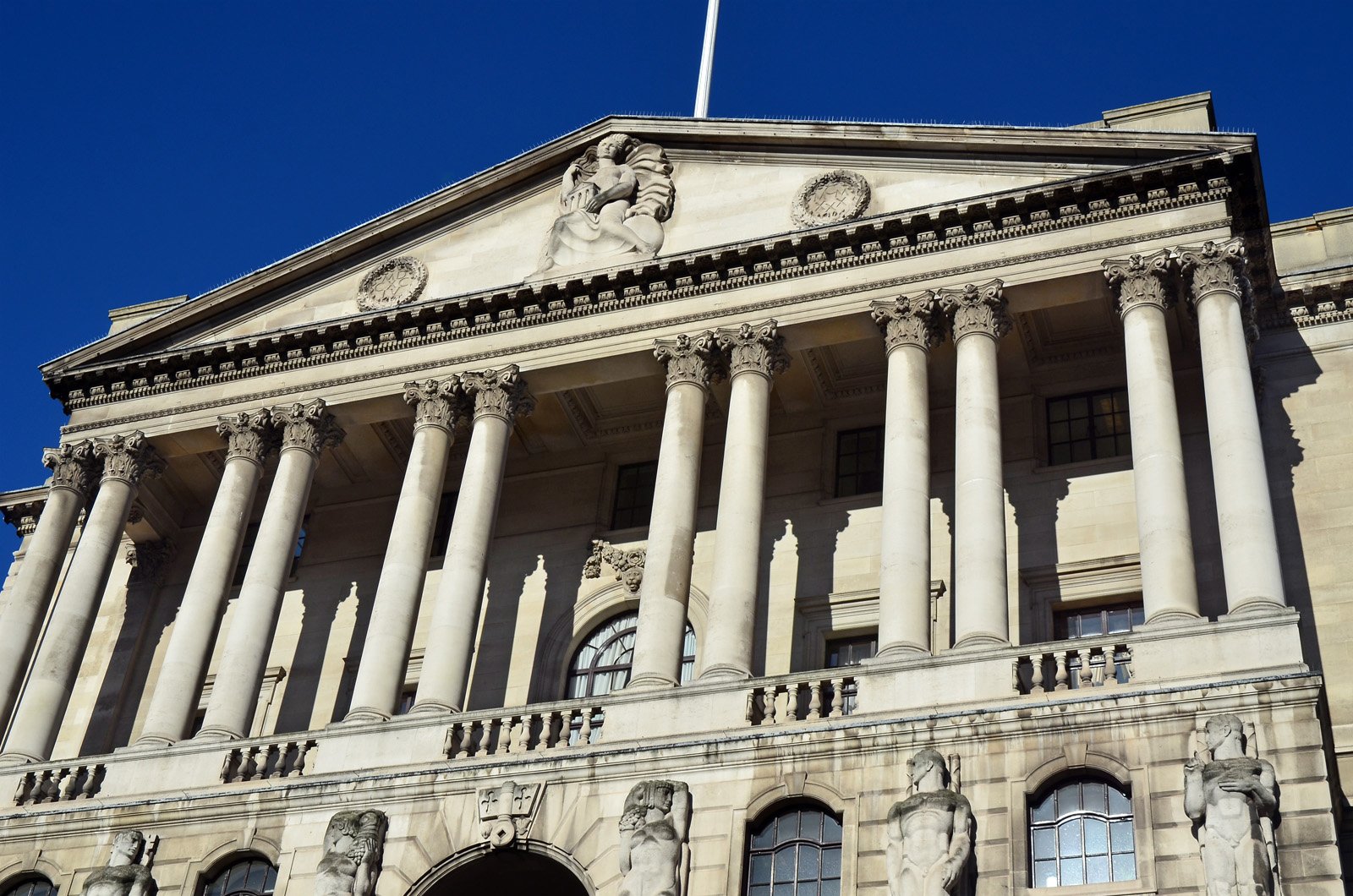
The Bank of England has raised interest rates for the first time in more than three years, lifting Bank Rate to 4% and warning that at least one more increase is likely if the US-Iran conflict continues to push energy prices higher.
Key Points
- The Monetary Policy Committee voted 8-1 to raise rates to 4% from 3.75%, the first hike since August 2023.
- Catherine Mann dissented, voting for a bigger half-point rise to 4.25%.
- UK inflation is expected to reach around 5% by the middle of next year, more than double the Bank’s 2% target.
- Sterling edged up after the decision, while gilt yields rose, with two-year yields up around 2 basis points at 4.76%.
The decision, announced at noon on Thursday, follows six consecutive meetings at which the Bank kept rates unchanged. It comes as energy prices remain high and volatile because of the conflict in the Middle East, now in its ninth month, and the Bank said it had raised Bank Rate to reduce how much growing energy costs feed into other prices.
The rate of Consumer Prices Index inflation rose to 3.5% in September, the highest level in 11 months and up from 3.1% in August. The Bank said inflation is now expected to rise to around 4.5% in the first quarter of 2027 before reaching around 5% in the second quarter — more than double its 2% target.
A divided committee
In contrast to expectations in a Reuters poll, the dissent on the nine-member committee came not from a policymaker seeking to keep rates on hold but from one seeking a bigger hike. Catherine Mann, who said last month that the Bank had been slow to reassure markets that it had a grip on inflation, voted for a half-point increase to 4.25%.
Governor Andrew Bailey said: “There is now enough inflationary pressure in the pipeline caused by the rise in energy prices that an increase in Bank Rate is warranted.” The Bank stressed that monetary policy is not on a pre-set path and that decisions will be made on a meeting-by-meeting basis.
The Bank also revised its projections for GDP growth in 2027 up to 1.3%, from 1.1% previously, and some members signalled further rate hikes to follow. JP Morgan Private Bank said it now expects UK interest rates to peak at 4.25%.
What it means for households
The base rate is the rate the central bank charges other banks and lenders when they borrow money, so it influences what borrowers pay on mortgages and what savers earn. The increase will add to costs for the millions of households on variable-rate mortgages, while savers may see slightly better returns — though banks are often slower to pass rises on to savers than to borrowers.
The decision lands a day after figures showed UK services growth at an eight-month high, underlining an economy that is still expanding even as price pressures build. For the Bank, the judgement is that the direct effects of higher energy prices are clear and will continue to feed into household and business energy bills, and that the degree of inflationary pressure in the pipeline is now sufficient to warrant an increase.
What happens next
Attention now turns to Bailey’s press conference and to whether the Bank follows through with another rise. Reuters reported that the Bank warned at least one more increase was likely if the US-Iran conflict continues — a direct link between the war and the cost of borrowing in Britain.
With inflation forecast to keep rising into the middle of next year, the Bank’s first hike in three years looks less like a one-off and more like the start of a new phase. The question for households and businesses is how far, and how fast, rates will have to go.