

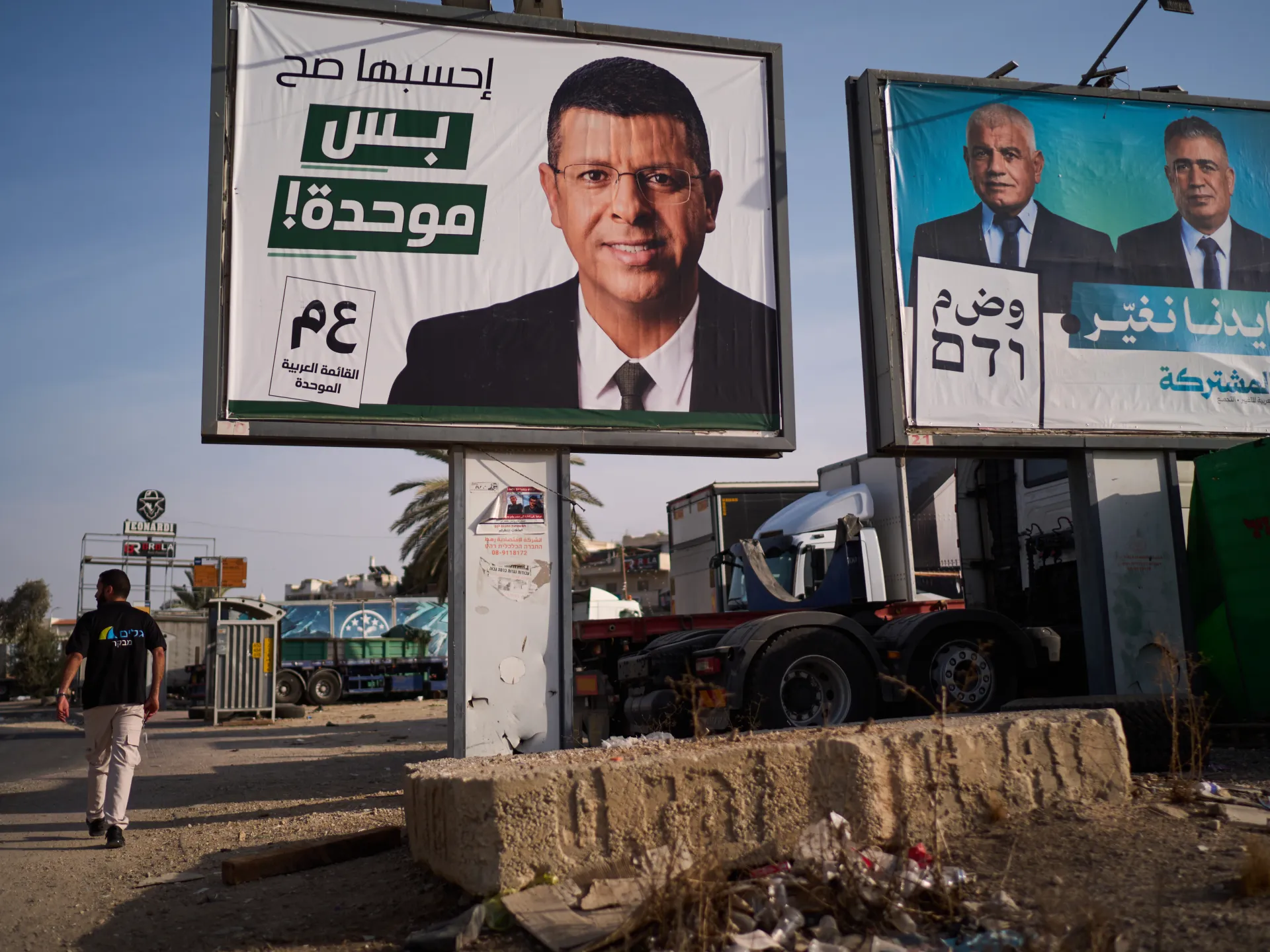
Arab parties in Israel are backing opposition leader Gadi Eisenkot. This move complicates Benjamin Netanyahu's efforts to form a new government.
Israel's Arab political parties recently achieved a historic result. They secured 19 seats in the latest general election. This outcome significantly impacts the ongoing coalition negotiations.
These parties now plan to support opposition leader Gadi Eisenkot. This move creates a major hurdle for Prime Minister Benjamin Netanyahu. His path to forming a new government looks very difficult.
Meanwhile, the primary Jewish opposition bloc holds four different parties. They did not reach the 61 seats required for a Knesset majority. They currently lack the numbers to govern alone.
However, an alliance with Arab representatives changes the math. These two groups advocate for Palestinian citizens living in Israel. Their combined support could break the current political stalemate.
Also, this partnership serves a clear strategic purpose. It helps the country avoid a recurring cycle of elections. Voters recently finished a long and intense campaign season.
Next, the political landscape remains very fragile. Leaders must negotiate carefully to build a stable government. Every seat in the parliament carries heavy weight right now.
Still, the support for Eisenkot signals a shift in power. Many observers watch these talks with great interest. The final decision will shape the nation's direction for years.
Finally, the Knesset members must reach a formal agreement soon. Failure to do so could lead to further instability. The nation waits for a resolution to this political crisis.