

Global delegates recently agreed on a new nature protection plan in Armenia, though concerns about funding and political interference remain.
Delegates from nearly 200 countries recently met in Armenia to discuss the future of nature. They argued for two weeks over a new action plan. Finally, they reached a deal on early Saturday morning.
These nations previously signed a landmark agreement in 2022. That deal set 24 targets to protect the planet. It aimed to 30% of land and seas by 2030.
However, experts warn that we face a sixth mass extinction event. Human activities cause species to vanish rapidly. Currently, the world remains on track for only one of those 24 goals.
Next, participants acknowledged that current progress is too slow. Environmental experts say we need a major course correction. Nature supports our economies and our general health.
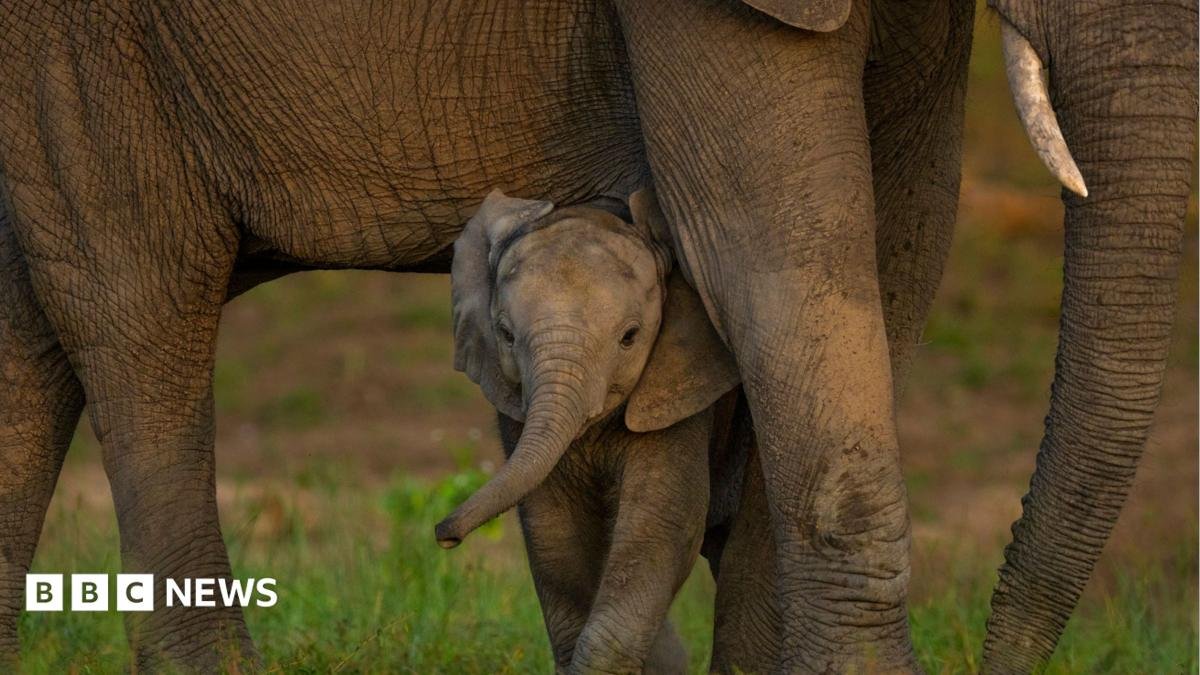
Also, some success stories provide hope for the future. Countries recently protected over 600 million acres of degraded land. Conservation efforts also helped elephants and tigers recover.
Meanwhile, money remains the biggest barrier to progress. Nations pledged $30 billion for nature recovery back in 2022. Many countries now spend their money on defense or energy costs instead.
As a result, funding is not reaching the necessary levels. Recent meetings raised $1 billion in new pledges. Half of that amount came from private philanthropists.
Still, governments continue to subsidize industries that harm the environment. For example, some states fund large-scale fishing operations. These practices often damage fragile ecosystems.
Finally, political disagreements stalled some of the scientific reports. A few nations blocked the approval of key findings. Experts worry that political moves hurt important climate research.
Now, countries prepare for the upcoming COP31 climate conference. They must find ways to secure more funding. Protecting nature remains a vital task for all of humanity.