

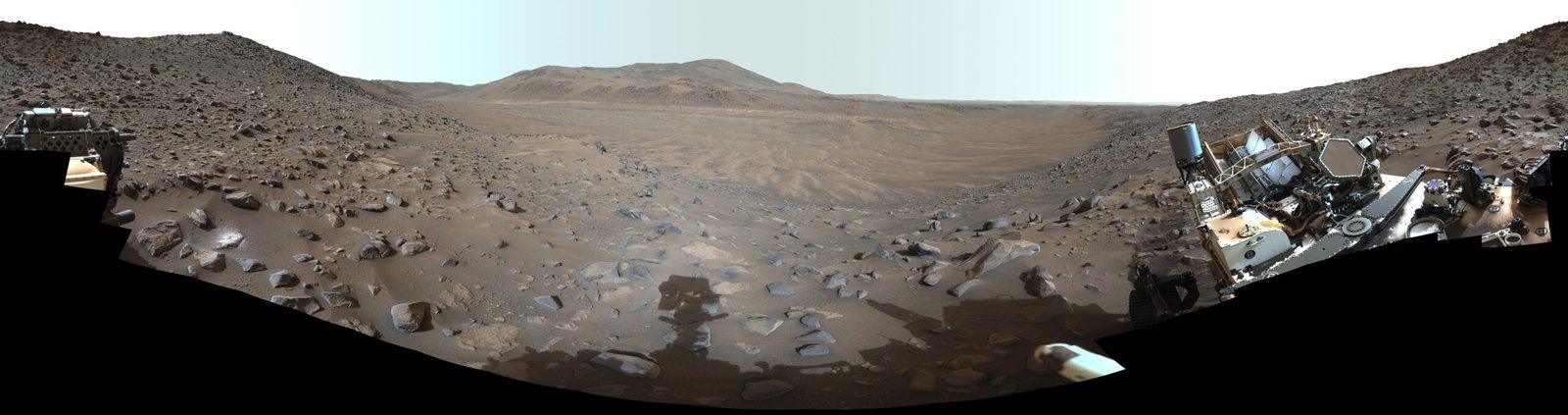
The Perseverance rover collected data on tiny Martian dust particles. This research helps NASA design safer spacesuits for future human explorers.
NASA’s Perseverance rover spent over 1,645 days studying Martian dust. It measured tiny particles that cling to spacesuit materials. These particles are small enough to enter human lungs and blood. This data helps NASA prepare for future human missions to Mars.
Engineers will use these findings to design better spacesuits. They also want to improve habitat safety and dust cleaning methods. NASA has long solved complex exploration problems using clever data collection. This mission provides vital measurements before astronauts ever reach the planet.
Meanwhile, lunar dust caused many issues during the Apollo missions. It scratched visors and damaged seals on spacesuits. Astronauts also reported health symptoms like hay fever from the moon dust. Mars presents different but equally challenging dust conditions for future crews.
Next, the team analyzed different materials attached to the rover. They studied Teflon and Vectran swatches on the rover's arm. The rover uses these samples to test its scientific instruments. These tests reveal how well spacesuit materials survive the harsh surface.
Also, the rover detected very small particles called ultrafine dust. These particles are about 700 times thinner than a human hair. Static electricity helps these tiny grains stick to suit materials. Organic materials like Teflon seem to collect this dust very easily.
As a result, scientists have a better understanding of dust behavior. They found that some materials hold less dust than others. This knowledge helps experts choose the best coatings for suits. They might also build special airlocks to keep dust out of living areas.
However, these tiny particles pose serious health risks to humans. On Earth, fine particles can travel into the bloodstream easily. Martian dust also contains reactive chemicals that could harm human cells. Scientists must now determine safe exposure limits for future explorers.
Finally, NASA continues testing new dust-removal technology on the Moon. They use electric fields to clear surfaces of hazardous particles. These ground tests help engineers protect astronauts during future space travel. Perseverance remains a key tool for ensuring safe human exploration of Mars.