

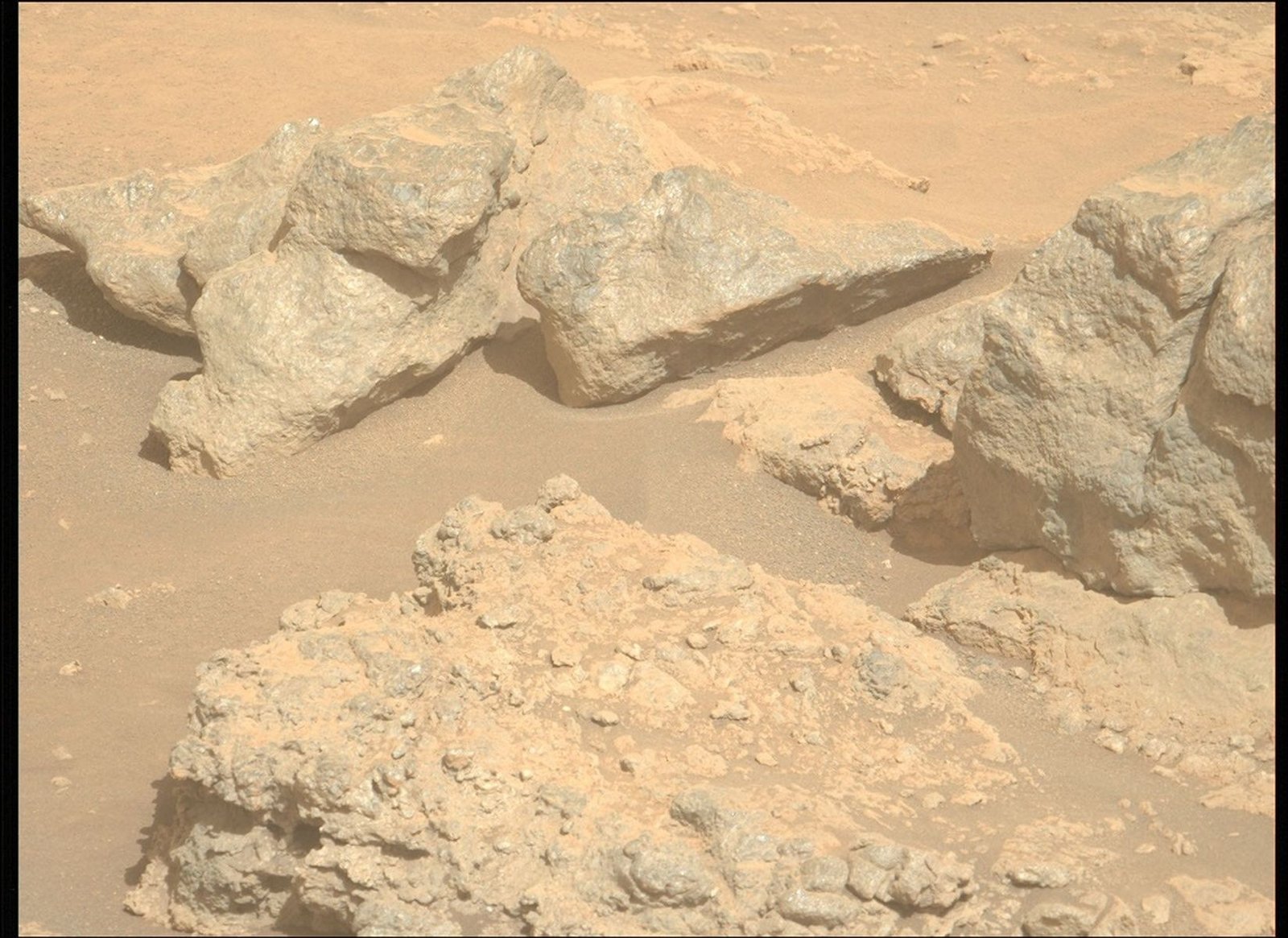
The NASA Mars 2020 rover is investigating a unique rock site called Tinga to learn more about the geologic history of Jezero crater.
NASA's Mars 2020 rover recently explored the southern edge of an area called Idubi. This region contains a mineral known as olivine. The rover captured images of a special rock contact point named Tinga.
Next, researchers analyzed the unique features at this site. The bottom layer consists of a rock type called breccia. This rock contains many angular pieces from different sources.
Also, violent events like meteorite impacts likely created this breccia layer. Scientists believe it might even relate to the massive impact that formed Jezero crater itself.
However, the story of Tinga does not end with the breccia layer. Higher, darker rocks sit directly above this base unit.
Meanwhile, these dark rocks appear connected to the olivine found at Idubi. They might also extend across the plains outside the crater rim.
As a result, experts have formed two main theories about these dark rocks. They could be part of the original olivine unit. Alternatively, the heat from the hot Idubi rocks may have baked the breccia.
Finally, the team needs more data to understand these layers fully. They plan to conduct further tests on these specific rock formations soon.
Now, Tinga provides a clear look at past geologic events near the crater. The Mars 2020 rover will continue to study this area to uncover the history of the planet.