

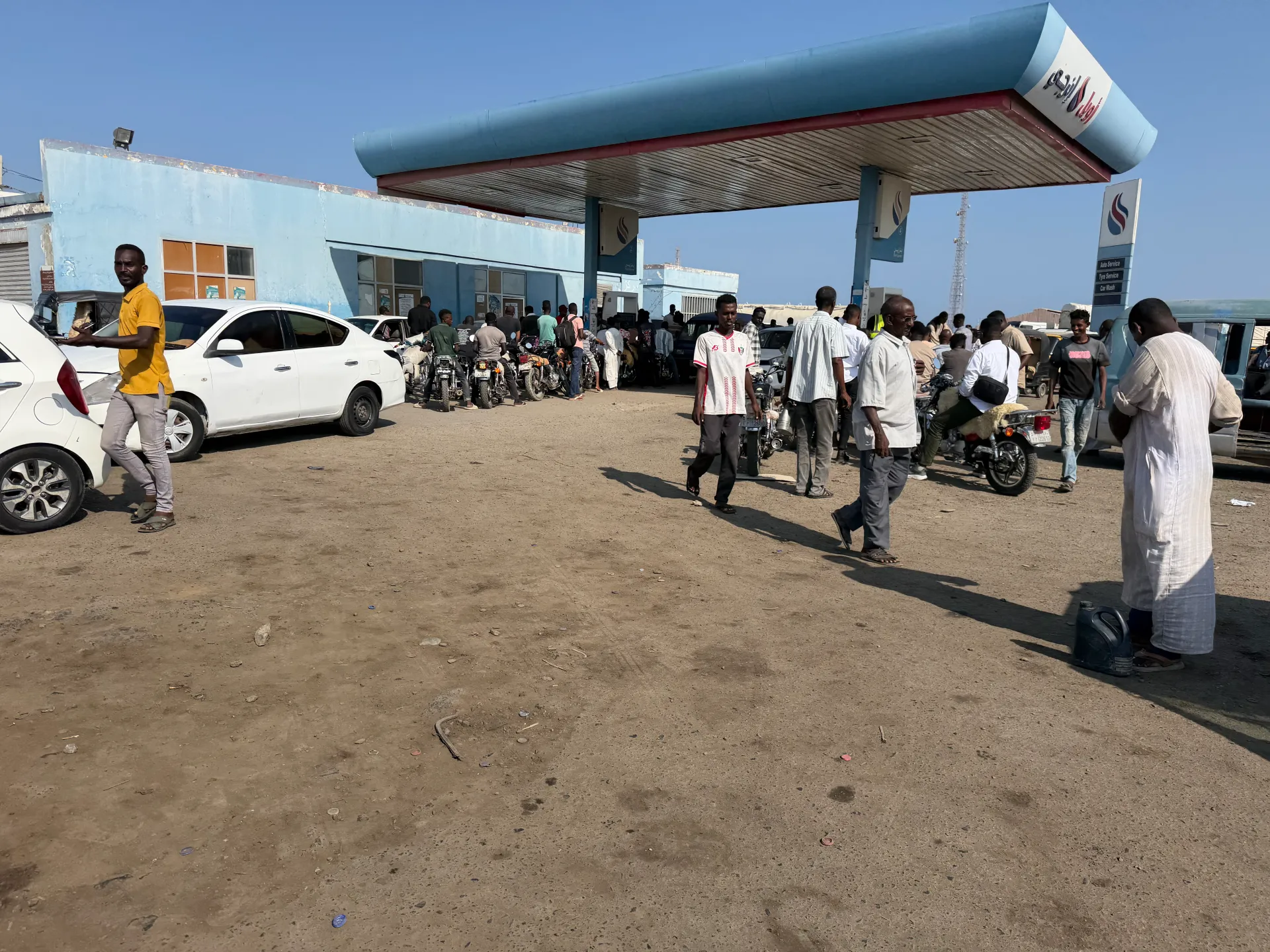
Rising fuel costs and severe shortages are hurting workers and businesses across Sudan. Public transport fares have surged as the economy suffers.
Azhari Mohamed drives a minibus in Port Sudan. He works long hours every day to support his family. However, frequent fuel shortages make his job difficult. He spends many hours waiting in long lines for gasoline.
Next, these shortages force up fuel prices across the country. Azhari now earns very little profit after his daily expenses. He struggles to pay for his daughter’s university tuition fees. He simply wants enough fuel to work consistently.
Also, public transport costs have surged recently. The Transport Chambers Union raised bus fares by up to 40 percent. This creates a major financial burden for daily commuters. Many workers cannot afford these high travel prices.
Meanwhile, cleaners like Aziza Ibrahim face tough choices. She now works only three days a week to money. Transport costs consume nearly half of her small monthly salary. She often borrows money just to reach her workplace.
After that, the ongoing civil war impacts Sudan’s oil production. Fighting damaged key infrastructure and reduced domestic fuel supplies. The country now relies heavily on expensive imported petroleum products.
Furthermore, new government regulations limit the number of fuel importers. Companies must provide gold deposits and private storage to operate. Many businesses cannot meet these strict rules and leave the market.
Still, local traders face rising costs for goods and deliveries. High diesel prices increase transport fees by up to 50 percent. Many shop owners pass these extra costs to their customers.
Finally, frequent power outages force businesses to use expensive generators. These fuel costs add pressure to already struggling small companies. Experts see little hope for improvement while the conflict continues.