

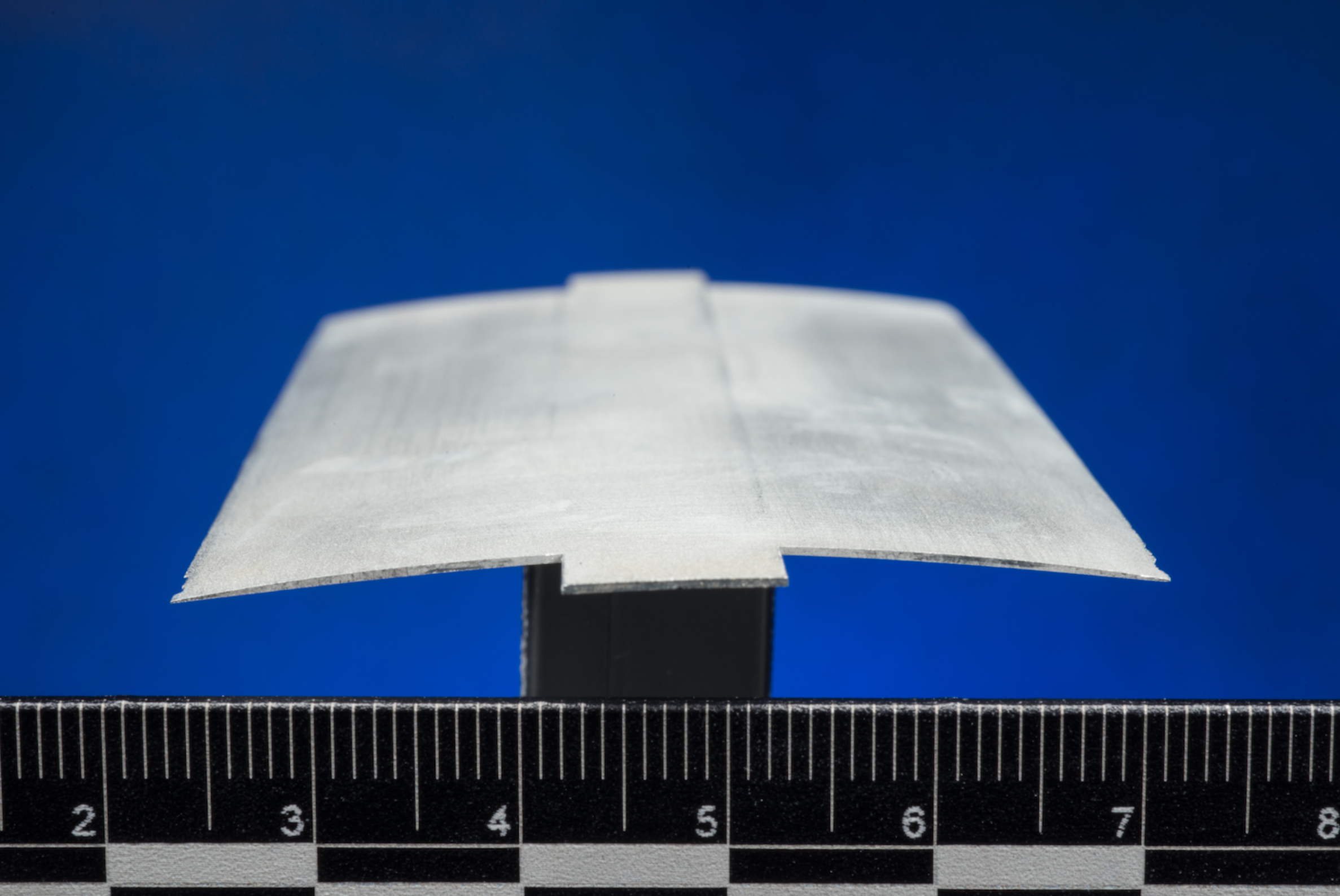
NASA is testing new, thinner rotor blades to help future Mars helicopters fly further and carry more scientific equipment.
NASA researchers are planning the future of flight on the Red Planet. They want to build helicopters that travel higher and further than ever before.
Also, engineers are testing new rotor blades using computers and wind tunnels. These blades will support the next generation of Mars aircraft.
Next, experts at NASA’s Ames Research Center are working with partners in the United Kingdom and Japan. They created a special airfoil design called roamx-0201.
Meanwhile, the team used advanced algorithms to study Martian conditions. They discovered that a thinner, asymmetrical shape works best for these flights.
After that, wind tunnel tests confirmed the new design boosts performance. The blades help the aircraft recover quickly during risky flight situations.
As a result, future helicopters could fly much longer distances. Scientists believe the new blades might increase flight range from 0.7 kilometers up to 18.7 kilometers.
Still, the blades must handle the unique atmosphere on Mars. The speed of sound is lower there, which often causes drag issues for rotors.
Finally, these blades delay drag divergence by operating efficiently at high speeds. They also manage air turbulence to create better lift for the aircraft.
Moreover, the design improves how the helicopter handles stalls. This allows the craft to stay stable even when the angle of airflow changes suddenly.
Now, NASA continues to refine this technology through careful research. These efforts will help future missions carry more equipment and explore deeper into space.