
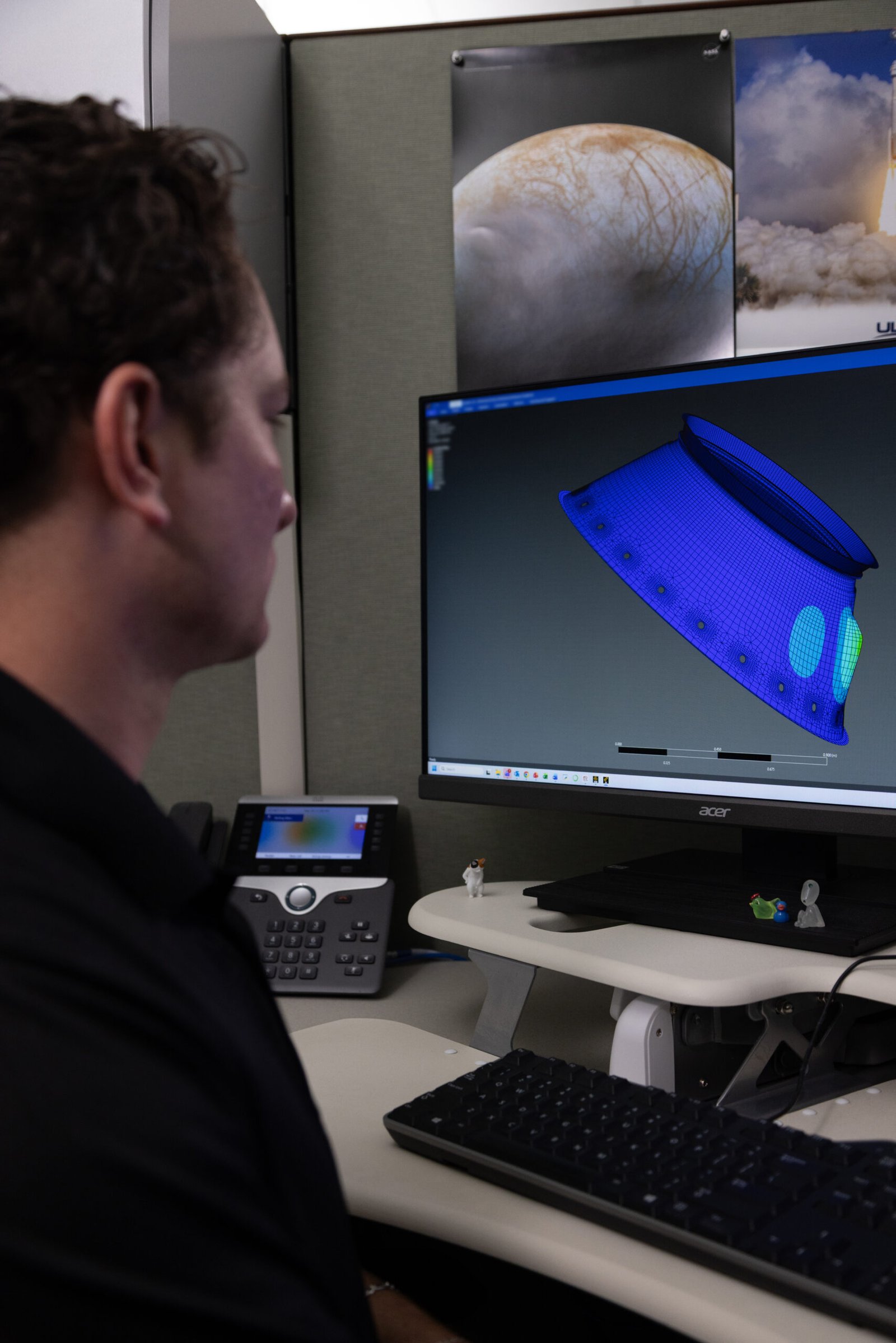
NASA engineers are using new digital software to better predict how rockets handle shock and vibration during flight.
Rockets face intense shaking and stress during every flight. Delicate scientific equipment must survive these harsh forces. NASA engineers now use new methods to predict how these stresses affect spacecraft.
Next, the Dynamic Environments Group at Kennedy Space Center streamlined their testing process. They updated how they analyze vibration and shock. This improves safety for all future space missions.
Also, the team created a standardized computer workflow. They use commercial software to simulate extreme launch conditions. This helps them find weak spots before they build any hardware.
Meanwhile, the team recently tested this new method on a commercial rocket. The partner company did not provide full shock testing data. NASA engineers used their new template to fill in those gaps.
Then, the group ran complex simulations to visualize structural behavior. This process was much faster than older manual modeling methods. It provided fresh insights regarding shock during the transport of equipment.
As a result, engineers can now identify risks early. They use finite element analysis to break down complex structures. Computers then predict exactly how parts will react to launch forces.
Still, older methods relied on simple rules of thumb and past data. Those approaches required more guesswork and engineering judgment. The new software provides a clear template for every engineer.
After that, the team saved months of work time. They run these analyses independently without waiting for outside reports. This efficiency helps them address problems while the rocket is still on the ground.
Finally, this tool boosts the skills of the entire engineering staff. It helps them visualize difficult dynamics problems easily. NASA continues to adopt new technology to ensure every mission succeeds.